ANALYSIS
Trump threatens to pull US out of NATO: 'I always knew they were a paper tiger'
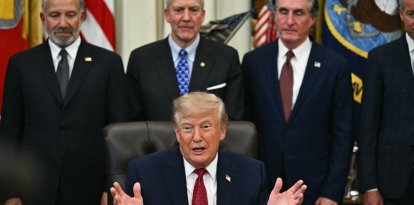
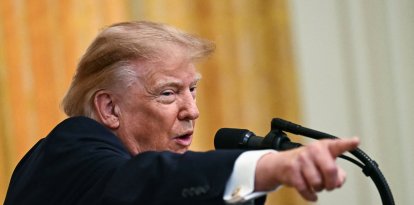
The president has shaken up the geopolitical chessboard by asserting that he is seriously considering pulling the United States out of the alliance, after accusing European allies of not backing the offensive against Iran. "We’ve been there automatically, including Ukraine. Ukraine wasn’t our problem. It was a test, and we were there for them, and we would always have been there for them. They weren’t there for us," Trump stated.
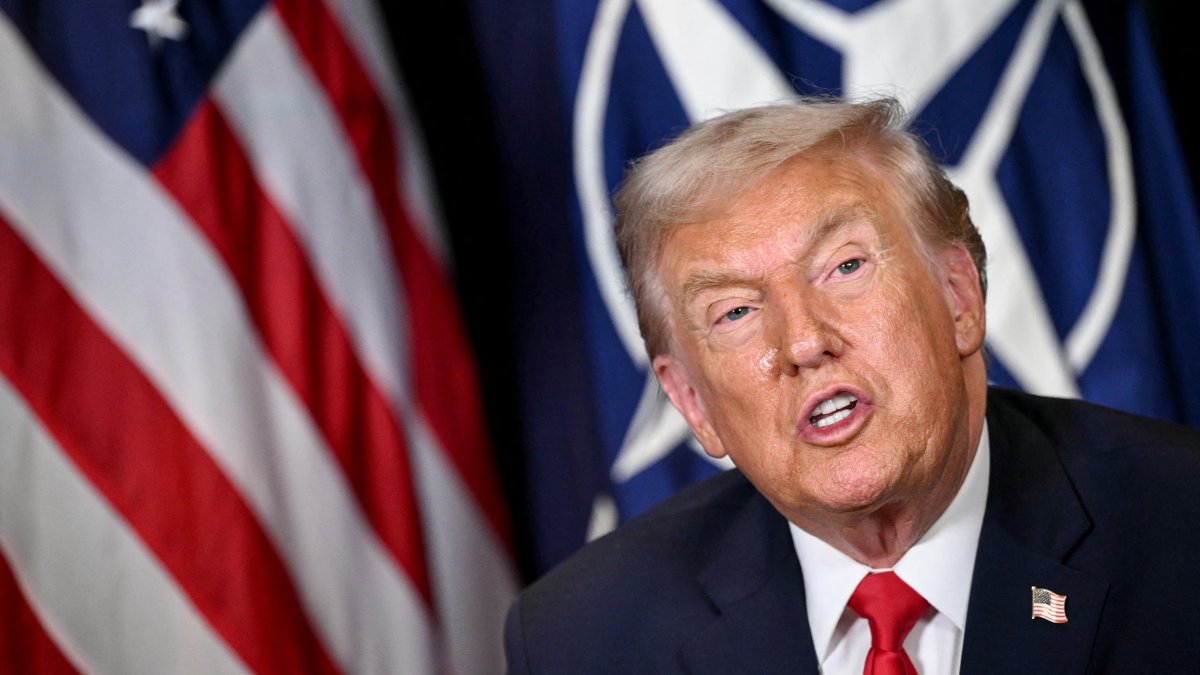
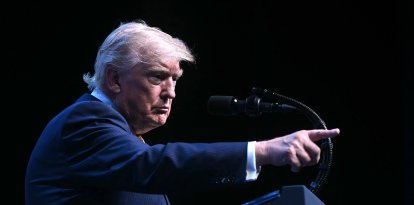
Trump at the World Economic Forum / Mandel Ngan

In an interview with British newspaper The Telegraph, President Trump has made clear his deep frustration with the North Atlantic Treaty Organization (NATO). In his own words, he is "strongly considering" withdrawing his country from the military alliance after European allies refused to back military action against the Iranian regime.
The president called NATO a "paper tiger" and said the possibility of leaving the collective defense pact is already "beyond reconsideration." The statement marks a turning point in transatlantic relations.
"I was never swayed by NATO. I always knew they were a paper tiger, and Putin knows that too, by the way," Trump declared.
The trigger: War with Iran and lack of European support
While Washington has stepped up its stance against the Iranian regime, several European countries have chosen to stand on the sidelines or limit themselves to diplomatic statements, without committing significant military resources.
"Beyond not being there, it was actually hard to believe. And I didn’t do a big sale. I just said, ‘Hey’, you know, I didn’t insist too much. I just think it should be automatic," the president declared as he criticized allied countries that have not provided support during the conflict.

NATO partners have been reluctant to lend their assistance for the purpose of reopening the Strait of Hormuz, through which 20% of the world's oil normally transits. Iran has virtually closed the strait for weeks, causing world oil and gas prices to soar while threatening to trigger a global recession.
This lack of solidarity, according to President Trump, could confirm what he has been claiming for years: that Europe has grown accustomed to depending on U.S. military protection without shouldering its proportionate share of the burden.
"We've been there automatically, including Ukraine. Ukraine wasn’t our problem. It was a test, and we were there for them, and we would always have been there for them. They weren’t there for us," the president stated.
Rubio questions NATO reciprocity
Secretary of State Marco Rubio openly expressed his frustration by describing NATO as "a one-way street," criticizing that several European countries have not allowed the use of their military bases.

In statements to Fox News, hours before the interview granted by Donald Trump to The Telegraph, Rubio affirmed that the United States will have to "re-examine" its place in the alliance once the war in Iran concludes. As he explained, the current relationship raises serious questions: "If NATO is just about us defending Europe if they’re attacked, but them denying us basing rights when we need them, that’s not a very good arrangement. That’s a hard one to stay engaged in."
Europe distances itself as military pressure grows
British Prime Minister Keir Starmer downplayed Trump's remarks, calling them simply "noise" and said he would act in Britain's interests.
Starmer stated, "This is not our war, and we’re not going to get dragged into it."

World
US floats 15-Point plan to end Iran War, with a catch: Tehran prefers Vance to lead talks
Emmanuel Alejandro Rondón
According to The Telegraph, at the start of the conflict in Iran, four of the six British destroyers were out of service and under repair. In addition, the U.K. has been forced to borrow a ship from Germany to fulfill its NATO obligations in the North Atlantic.
Sources close to the president said he was also considering withdrawing U.S. troops from that country, a move he has shuffled around since returning to office last year.
Congress could limit presidential attempt to leave NATO
At the time, Marco Rubio, then a senator, supported the initiative. His argument was that such a momentous move should undergo a thorough and transparent debate, and that Congress, "with the input of the American people," should have the final say on any possible exit from the organization.
LATEST