ANALYSIS
Holiday spirit drives generosity: 51% of Americans will donate in 2025
U.S. donors are doubling their giving during the holidays, prioritizing helping to fight poverty and improve healthcare.
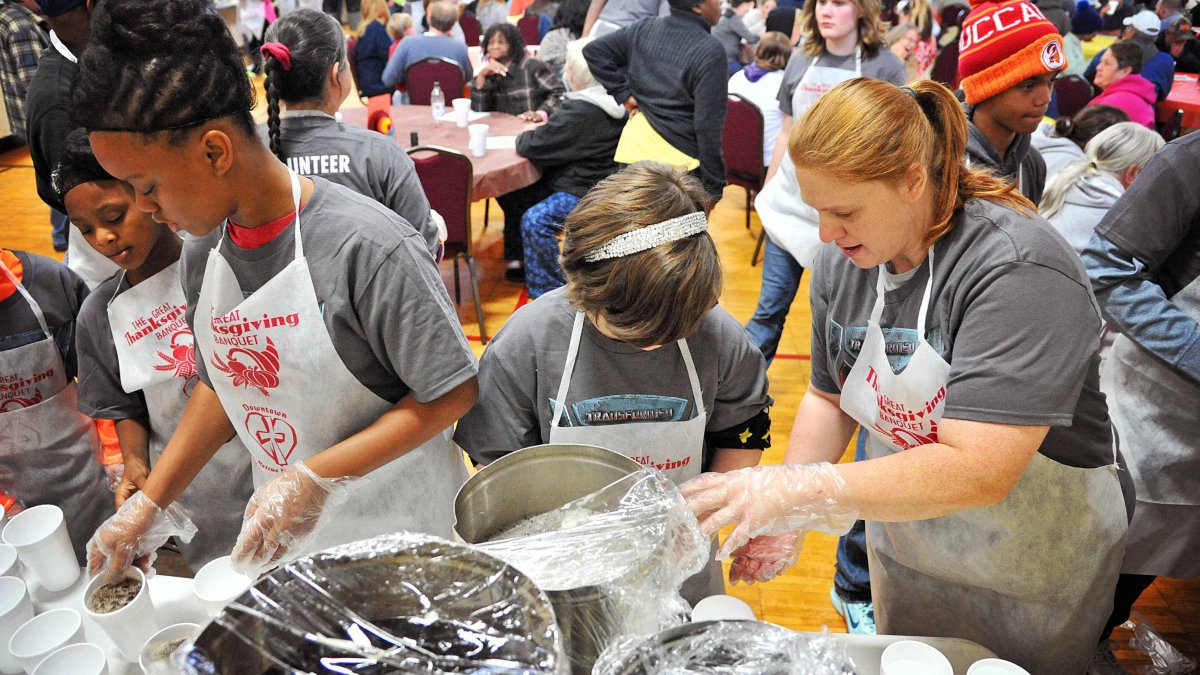
Volunteers serving hot dishes.

As 2025 draws to a close, the generosity of U.S. citizens becomes more evident, cementing the holiday season as one of the most important periods for charity in the country. According to a recent research from CAF America, 51% of adults reported that they have donated or plan to donate money before the end of the year.
While this figure represents a decrease from the 61% reported in 2024, the study highlights a particular phenomenon: current donors are being much more generous. Rather than reducing their impact, those who choose to give are stepping up their efforts, especially during the holidays.
"The end of the year is often a time of reflection, gratitude, and generosity. People look back on what they have accomplished and find themselves wanting to pay it forward by giving to organizations and causes they are passionate about," explains Emily A. Vogels of CAF America.
The rise of holiday season giving
The 2025 data reinforces the trend of Christmas and New Year's as the times of greatest solidarity, revealing that one-fifth of donors give exclusively during the last few months of the year.
This commitment is strongly reflected in the financial figures: the typical donor is projected to double his or her monthly contribution during November and December, rising from an average of $50 in 2024 to $100 per month in 2025. This is a particularly strong trend among donors under 50, who are twice as likely to donate exclusively during the holidays compared to those over 65 (27% vs. 13%).

Just The News
TSA set to handle record-breaking travel during this holiday season
Just The News | Brett Rowland | The Center Square
Causes and selection criteria
Although financial constraints remain the main obstacle for non-donors, interest in helping has grown: 51% of non-donors considered doing so this year, up from 31% last year.
Among the issues Americans are most concerned about in 2025 are:
- Health: 58%
- Poverty: 58%
- Childhood: 40%
- Faith: 36%
- Animal welfare: 35%
- Disaster relief: 23%
- Education: 22%
Donors are also increasingly choosing to support diverse causes: 33% donated or will donate to five or more causes in 2025, up from 12% in 2024. Likewise, the number of donors looking to help beyond national borders increased, although the overwhelming preference remains to fund charitable activities within the country:
- 98% said they wanted to support causes in the U.S.
- 88% in their local area
- 21% in other countries (with Mexico, Canada and Africa as top destinations)
In choosing which organizations to support, citizens rely primarily on personal experience (50%) and previous donations (54%). However, the influence of media coverage on philanthropic decisions increased by 10% over last year, reaching a quarter of donors.
Religious donors' commitment
Far from limiting support to other sectors, religious generosity acts as an open door to other organizations. According to CAF reports that religious donors:
- Contribute to more charities than other donor profiles
- Donate a higher percentage of their income
- Are more predisposed to participate as volunteers, donating their time
LATEST