






Lawsuit filed against $100,000 visa for highly skilled foreign workers
The group, which represents health care employees, university professors and religious groups, among others, argued in federal court in San Francisco that the new fee is illegal and will hinder a key avenue for innovation and economic growth in the country

(AFP) A coalition of workers filed a lawsuit Friday against the new $100,000 fee imposed by Donald Trump's administration on the H-1B visa, used to hire highly skilled foreigners workers.
The group, made up of health care employees, university professors and religious groups, among others, argued before a federal court in San Francisco that "the new fee is illegal and will hinder a key avenue for innovation and economic growth in the country."
"Without a solution, hospitals will lose staff doctors, churches will lose pastors, classrooms will lose teachers and industries across the country risk losing innovators," the coalition warns in a statement, AFP reported.

The lawsuit asks the court to "immediately" block the Sept. 19 decree, it notes.
The $100,000 fee announced last month gave businesses only 36 hours' notice before it went into effect, leading to chaos and confusion over how it would work and who it would affect, the lawsuit alleges.
An abuse of the H-1B visa system to replace U.S. workers.
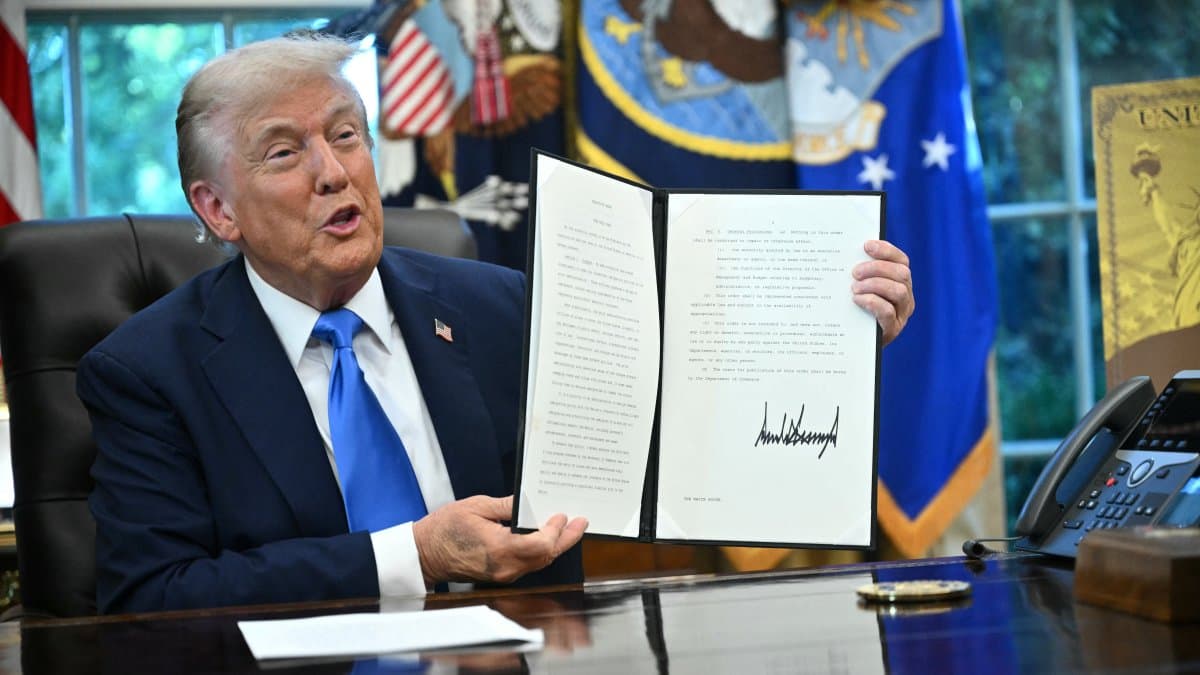
The tariff is part of a broader decision by the Trump administration, which has stepped up its anti-immigration campaign since returning to the White House. Until now, however, the Republican had not targeted this visa on which the U.S. tech sector relies heavily.
Trump argued that there is abuse of the H-1B visa system to replace U.S. workers with foreigners willing to work for less money.
The country awards 85,000 H-1B visas a year through a lottery system. India accounts for about three-quarters of the beneficiaries.
H-1B Visas
Under the previous system, companies were required to pay considerably lower fees. The process consisted of an initial registration fee of ten dollars, filing fees that could cost between hundreds or thousands of dollars depending on the case, and additional contributions that also depended on the circumstances.
These fees were one-time or renewal fees, rather than a flat annual fee.
🛠 Do you think there is an error in this article?
Recommendations








LATEST