Trump sets new $100,000 annual fee for H-1B visas
This kind of visas allow companies to hire foreign workers for specialty occupations temporarily. They are typically used in the technology, engineering, science and health fields.

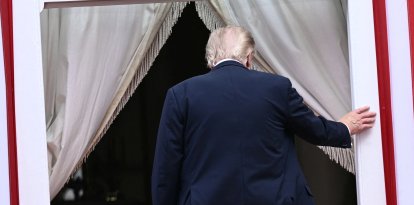
Trump in the Oval Office/ Mandel Ngan.

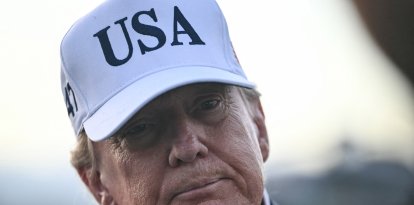
Donald Trump set a new fee for H-1B visas at $100,000 annually for companies bringing in foreign workers under this mechanism. Accompanied by Commerce Secretary Howard Lutnick, the president signed the proclamation from the Oval Office. There, he assured that he will seek to prioritize U.S. workers. The figure is in addition to previous costs already in place.
H-1B visas allow companies to hire foreign workers for specialty occupations temporarily. Specifically, they are typically used in the fields of technology, engineering, science and health care. According to the executive order signed by the president, some employers have exploited the program to pay lower wages and not hire U.S. workers.
"So it'll protect American workers, but ensure that companies have a pathway to hire truly extraordinary people and bring them to the United States of America. We need workers. We need workers. We need great workers. And this pretty much ensures that that's what's going to happen," Trump said.
Under the previous system, companies were required to pay significantly lower fees. The process consisted of an initial registration fee of $10, filing fees that could cost anywhere from hundreds to thousands of dollars, depending on the case, and additional contributions that also depended on the circumstances. These costs were one-time or renewal, rather than a fixed annual fee.
"If you're going to train somebody, you're going to train one of the recent graduates from one of the great universities across our land. Train Americans. Stop bringing in people to take our jobs," the Commerce secretary noted.
The Department of Labor released a video celebrating the move, in which it remarked that companies had abused the H-1B visa program for years.
In 2024, India had the highest number of H-1B visa beneficiaries, accounting for 71% of approved beneficiaries. Second place went to China, with 11.7%, according to Reuters.
LATEST