NASA deploys high-tech aircraft to assist in rescue efforts after Texas floods
The disaster left at least 119 dead and nearly 200 people are still missing, according to official figures.

Three WB-57 aircraft

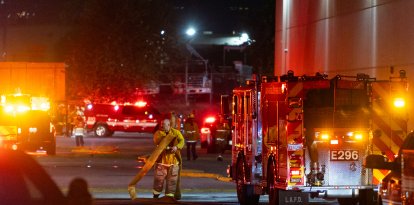
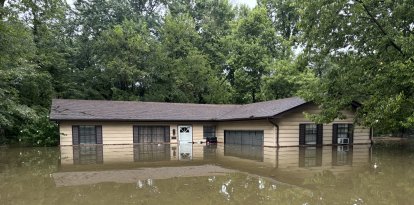
NASA deployed two highly specialized aircraft this week to assist in search, rescue and damage assessment operations after devastating floods struck south central Texas. The disaster left at least 119 dead and nearly 200 people remain missing, according to official figures.
In response to the magnitude of the tragedy, NASA's Disaster Response Coordination System was activated to collaborate with the Texas Emergency Management Division, the Federal Emergency Management Agency (FEMA) and humanitarian organizations working on the ground.
State-of-the-art technology in the service of the emergency
The first deployment is for the WB-57 high-altitude aircraft, which took off Tuesday from Joint Reserve Base Ellington Field in Houston. The aircraft is equipped with the DyNAMITE sensor, a high-resolution aerial imaging system that operates day and night. Its mission is to conduct overflights over the Guadalupe River and surrounding areas, providing imagery that can expedite on-the-ground decision making and facilitate resource allocation.
Society
Texas: Inspectors approved Camp Mystic's disaster plan two days before the floods
Alejandro Baños
Detailed mapping of affected areas
In addition to the WB-57, NASA sent a second aircraft from California: a Gulfstream III equipped with unmanned aerial vehicle synthetic aperture radar (UAVSAR). This technology can detect the presence of water even through vegetation, providing essential data on the extent of flooding in the Guadalupe, San Gabriel and Colorado river basins.
This radar is expected to collect data for several days, generating accurate maps that will allow emergency crews to assess damage to homes, infrastructure and other critical areas. These maps will be available on the NASA Disaster Mapping Portal.

Politics
Texas floods: Kristi Noem describes tragedy at Camp Mystic, highlights rescue efforts
Agustina Blanco
Interagency coordination
As Texas continues to recover from one of the worst natural disasters in recent years, NASA's involvement brings unique capabilities to response efforts at a time when every minute counts.
LATEST