White House suspends visas for new Harvard international students
The Trump Administration warned that, if the university does not agree to modify its internal policies, it could lose up to $3.3 billion in federal grants.
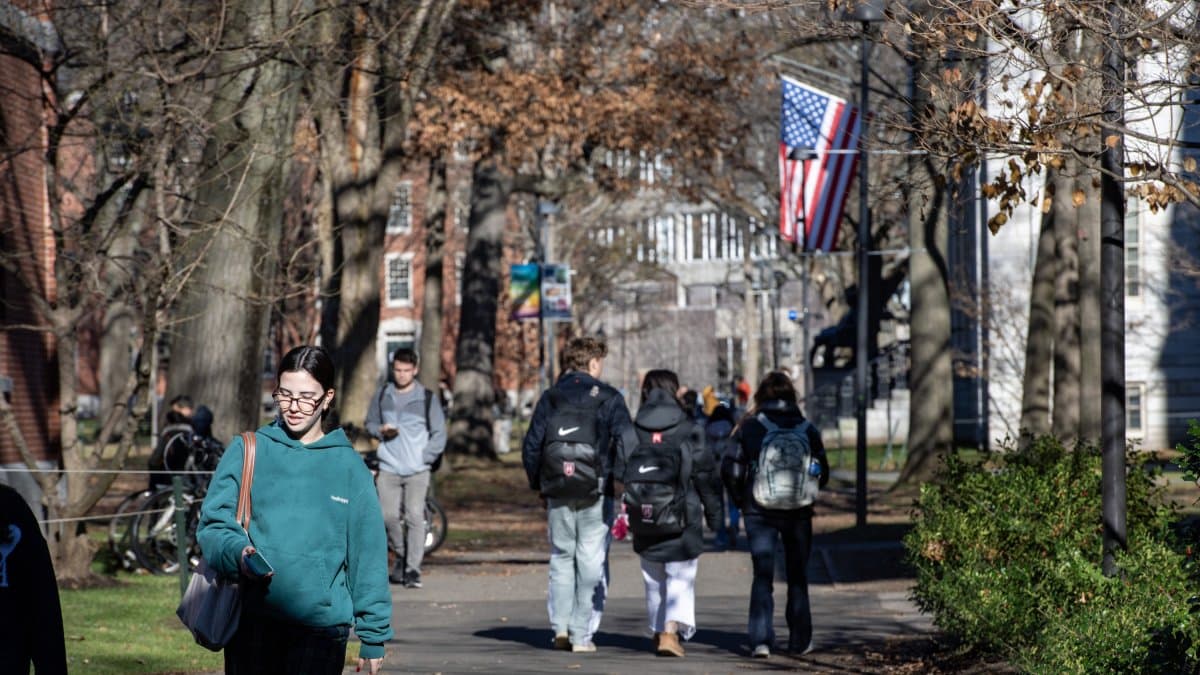

President Donald Trump signed a proclamation Wednesday prohibiting the approval of new visas for foreigners wishing to study at Harvard University while ordering a review of the tenure of the nearly 7,000 international students already enrolled.
The White House detailed that the reasons behind the decision are related to national security, accusing Harvard of lack of transparency, anti-Semitism and radical ideological ties; citing the prioritization of diversity, equity and inclusion (DEI), which the federal government calls "racist."
The think tank responded accusing the Trump administration of leading a legal retaliation against it.
“This is yet another illegal retaliatory step taken by the Administration in violation of Harvard’s First Amendment rights,” the institution said in a statement sent to The New York Post. “Harvard will continue to protect its international students.”
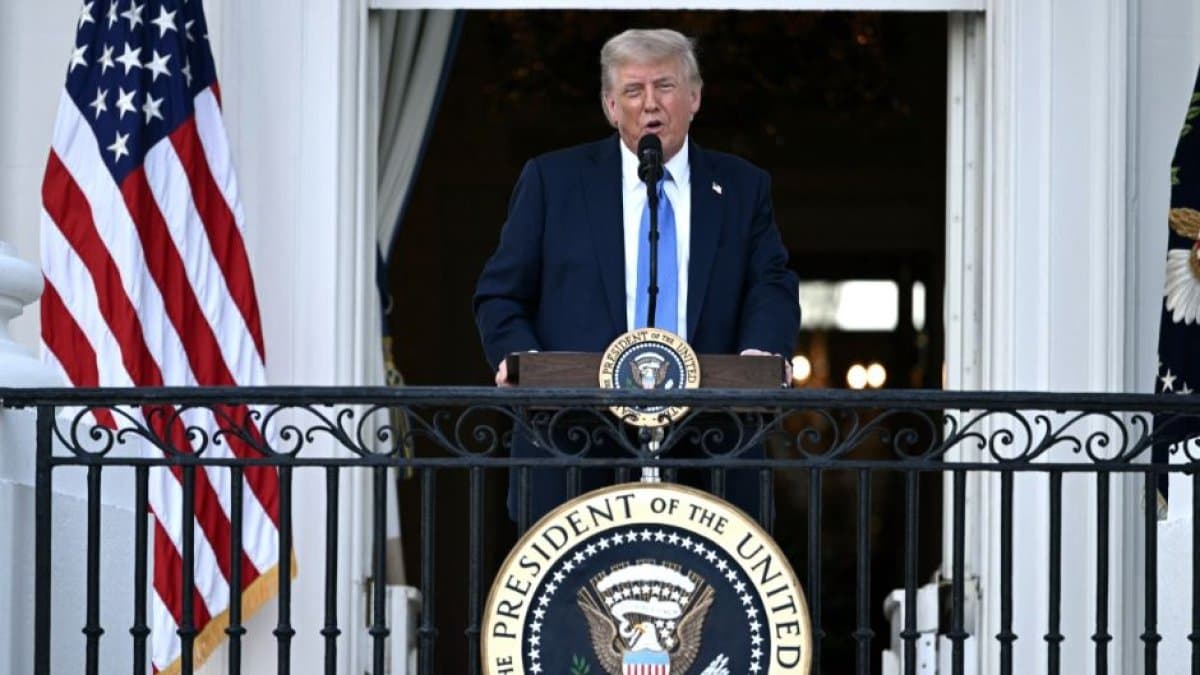
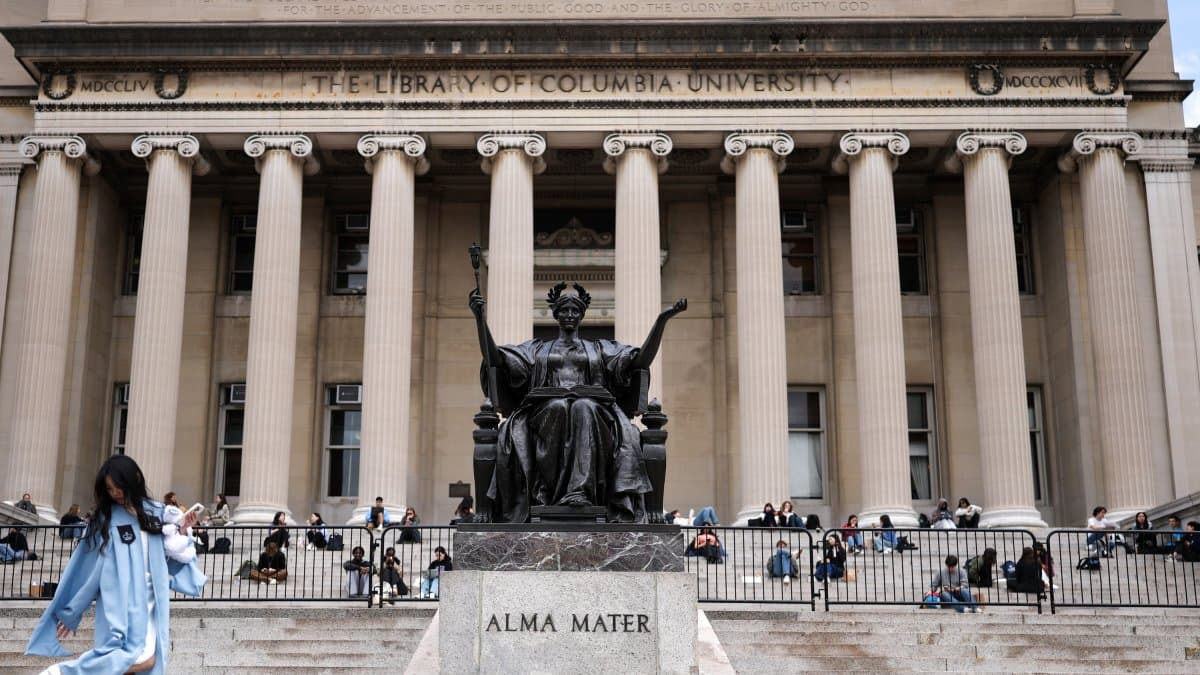
According to various reports, the proclamation represents the strongest blow dealt by Trump against the renowned institution in the legal battle of recent months.
Specifically, the measure blocks new F, M, and J visas for foreigners who wish to study or participate in academic programs at Harvard and directs Secretary of State Marco Rubio to thoroughly evaluate the revocation of visas already granted to current students who fit the proclamation's criteria.
“When a university refuses to uphold its legal obligations, including its recordkeeping and reporting obligations, the consequences ripple far beyond the campus,” the proclamation states. In addition, “They jeopardize the integrity of the entire United States student and exchange visitor visa system, compromise national security, and embolden other institutions to similarly disregard the rule of law.”
A legal conflict in full swing
The proclamation signed by President Trump adds to a legal and political dispute between Harvard and the federal government, which in recent months seeked to restrict the university's ability to admit foreign students.
Days before the move, a federal judge in Massachusetts temporarily blocked an earlier attempt to revoke Harvard's SEVP (Student and Exchange Visitor Program) certification, a proposal pushed by the federal government following the university's refusal to turn over disciplinary records and recordings of protest activity by international students.
The proclamation signed by Trump appears to be in direct defiance of the court decision, putting at risk the continued presence in the country of nearly 7,000 foreign students currently enrolled at Harvard.
In addition, the Trump Administration warned that, if the university does not agree to modify its internal policies, it could lose up to $3.3 billion in federal grants.
🛠 Do you think there is an error in this article?
Recommendations


LATEST