Mamdani warns of nearly 10% property tax increase if tax on wealthy fails
The plan has already met with resistance in the City Council, where City Council Speaker Julie Menin and Finance Committee Chair Linda Lee warned that the proposal comes at a particularly sensitive time for New Yorkers.
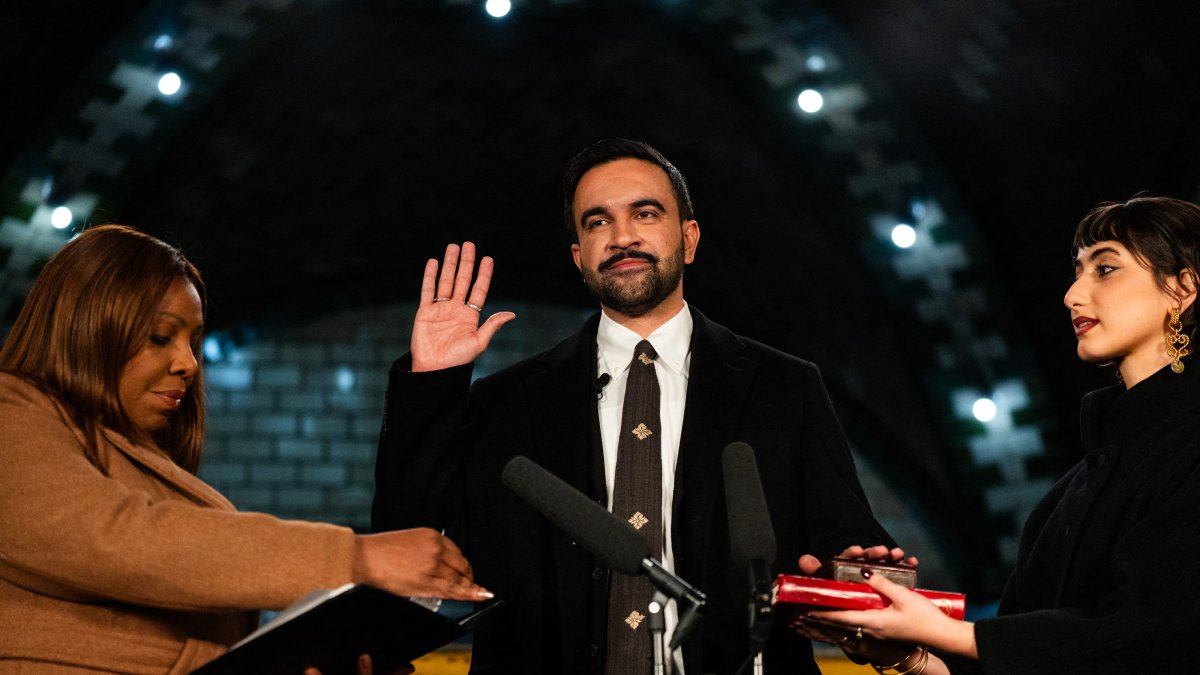
Zohran Mamdani in a file image

For New York City Mayor Zohran Mamdani, imposing new taxes is a non-negotiable idea. The New York socialist leader warned that the city could be forced to raise its property tax by nearly 10% if the state does not approve the proposed new corporate and high-income tax. The tax is part of its budget proposal for fiscal 2027, as NYC faces a hefty deficit.
Mamdani presented the 10% tax plan on Tuesday, but reiterated that his priority remains to tax the sectors with the greatest economic capacity.
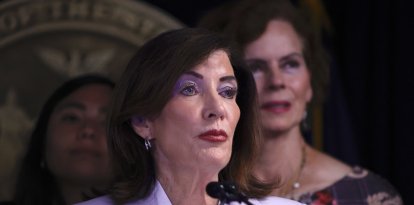
However, he acknowledged that the decision is up to the state legislature and Democratic Gov. Kathy Hochul, who has led the city administration to evaluate alternatives to cover the fiscal deficit.
The budget contemplates a 9.5% increase in the real estate tax, a measure that would raise an estimated $3.7 billion. In addition, the socialist mayor proposed using approximately $1.2 billion from the city's reserves to reduce the fiscal gap projected for the coming years.
"We do not want to have to turn to such drastic measures to balance our budget," Mamdani said. "But, faced with no other choice, we will be forced to."

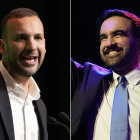
Mayor Mamdani came to office on a promise to raise taxes on the wealthiest to fund programs such as free child care and no-cost public bus transportation. The problem for him is that such tax hikes require state authorization, and Governor Hochul, who is seeking re-election this year, has reiterated her rejection of further tax increases.
As an alternative, Hochul announced that the state will allocate $1.5 billion to New York over two years to ease pressure on municipal finances.
"I've worked hard to bring in unprecedented levels of money to help the city because the strength of the city affects the strength of the state," the governor said during a press conference.
According to The Wall Street Journal, the city administration initially projected a deficit of nearly $12 billion over the next two fiscal years. After adjustments in revenues and state aid, the estimated shortfall was reduced to about $5.4 billion, a considerably lower figure but still a challenge for local accounts.
According to the mayor's office, a property tax increase would impact more than three million homes and more than 100,000 commercial buildings in the city. For that very reason, the plan met resistance in the City Council, where the body's president, Julie Menin, and the head of the finance committee, Linda Lee, warned that the proposal comes at a particularly sensitive time for residents.
"At a time when New Yorkers are already grappling with an affordability crisis, dipping into rainy day reserves and proposing significant property tax increases should not be on the table whatsoever," they said in a joint statement.
LATEST