4-year-old Mexican girl receives her humanitarian permit and will be able to continue her vital medical treatment in the U.S.
The Trump Administration rectified its decision after temporarily revoking the minor's humanitarian permit.
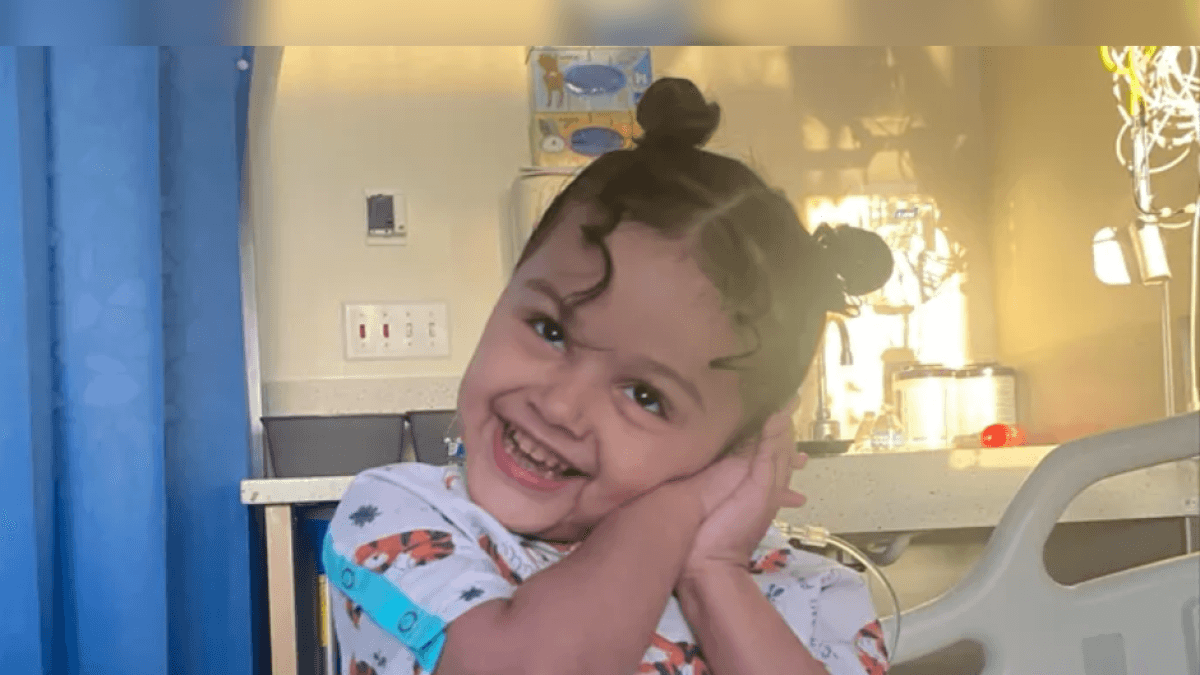

A four-year-old Mexican girl suffering from short bowel syndrome finally received her humanitarian permit, after weeks of uncertainty, and will be able to continue the vital medical treatment she is receiving in the United States.
The Trump Administration, which had temporarily revoked the minor's humanitarian permit, rectified the decision after public outcry for the Mexican girl to continue her stay and treatment in the country.
The Department of Homeland Security (DHS), which granted the minor and her mother a one-year extension of her humanitarian parole, could save the four-year-old girl, whose life depends on specialized medical treatment in California.
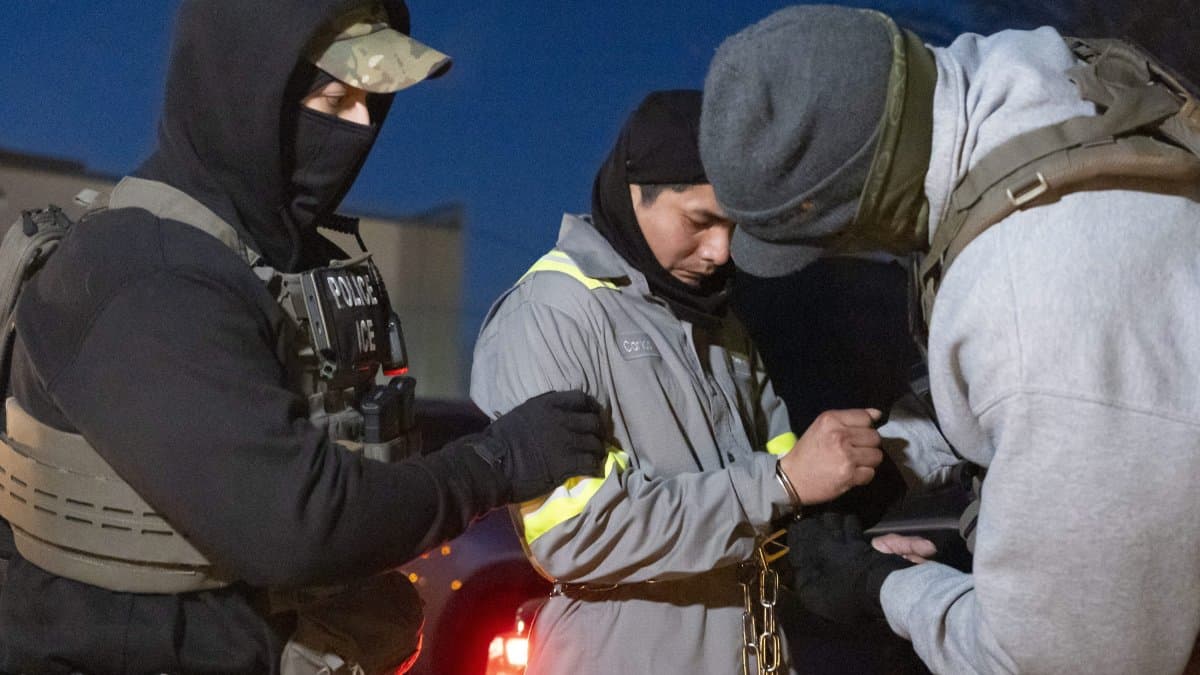
Just The News
ICE captures more illegal immigrants with criminal histories in sanctuary cities
Just The News
According to various reports, the illness the girl faces prevents her from absorbing nutrients naturally, so she requires intravenous nutrition 14 hours a day, supplied through a special backpack not found in Mexico.
The girl's mother, Deysi Vargas, told the press that, before arriving in the United States, her little daughter was hospitalized almost all the time in her native country.
Today, thanks to joining a program at Children's Hospital Los Angeles, her daughter can receive treatment at home in Bakersfield, California, while they try to lead a more normal life outside of hospitals. In fact, thanks to the treatment, the girl can go out to the park, visit stores, and even socialize with other children.
While the treatment will not be necessary for life until it takes effect, doctors agree that it is still essential for her survival at this stage. Attorneys for the family, from the nonprofit Public Counsel, questioned the Trump Administration in principle for revoking the permit and indicated that the case exposed clear failures in communication and immigration procedures.
🛠 Do you think there is an error in this article?
Recommendations



LATEST