Threat from Beijing: Xi Jinping's regime vows to take action against the US over its plan to curb Chinese technology investments
The statement responds to the Treasury Department's proposal from last Thursday to expand the current Outbound Investment Security Program (OISP).
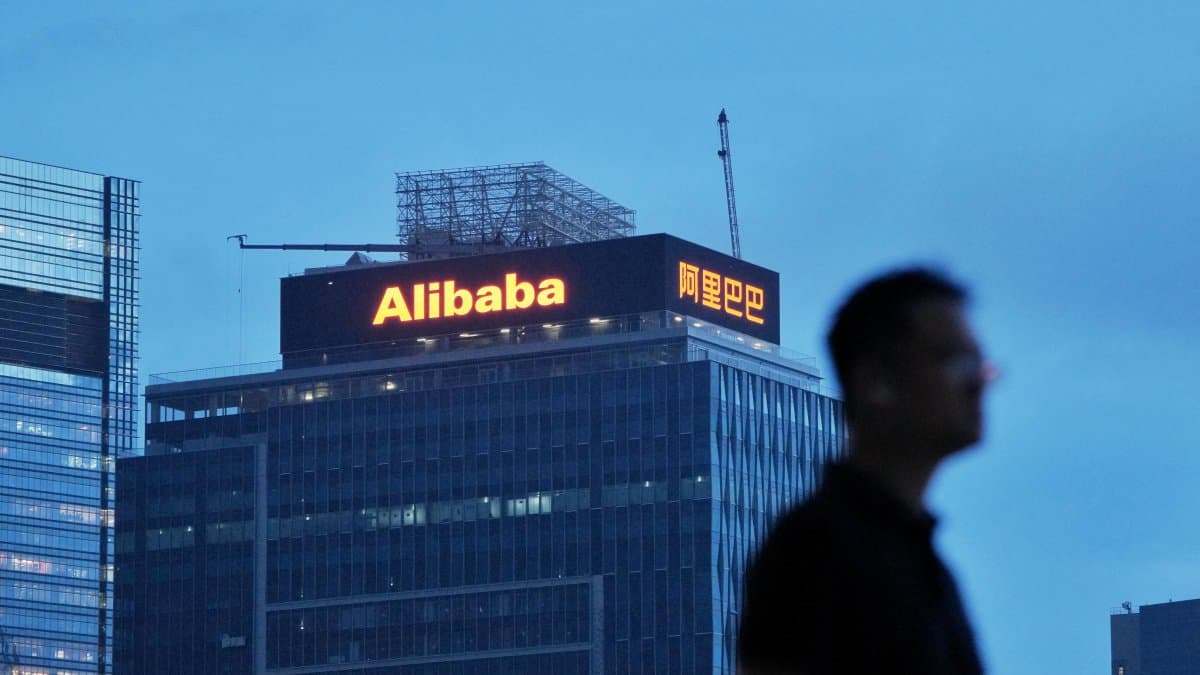
China's regime urged the U.S. Treasury Department on Saturday to reconsider a proposal to expand restrictions on U.S. investments in sensitive technology sectors, warning that the measure could significantly damage relations between Washington and Beijing. In a statement, the Chinese Ministry of Commerce warned that the proposed restrictions could harm bilateral economic relations and reiterated that Xi Jinping's regime is prepared to respond with countermeasures. However, it did not specify what actions it might take.
The statement responds to the Treasury Department's proposal last Thursday to expand the current Outbound Investment Security Program (OISP) and prevent U.S. geopolitical adversaries from using U.S. capital to develop technologies considered critical to national security. The expanded framework would cover hypersonic systems, quantum information technologies, high-performance computing, supercomputing, and artificial intelligence.
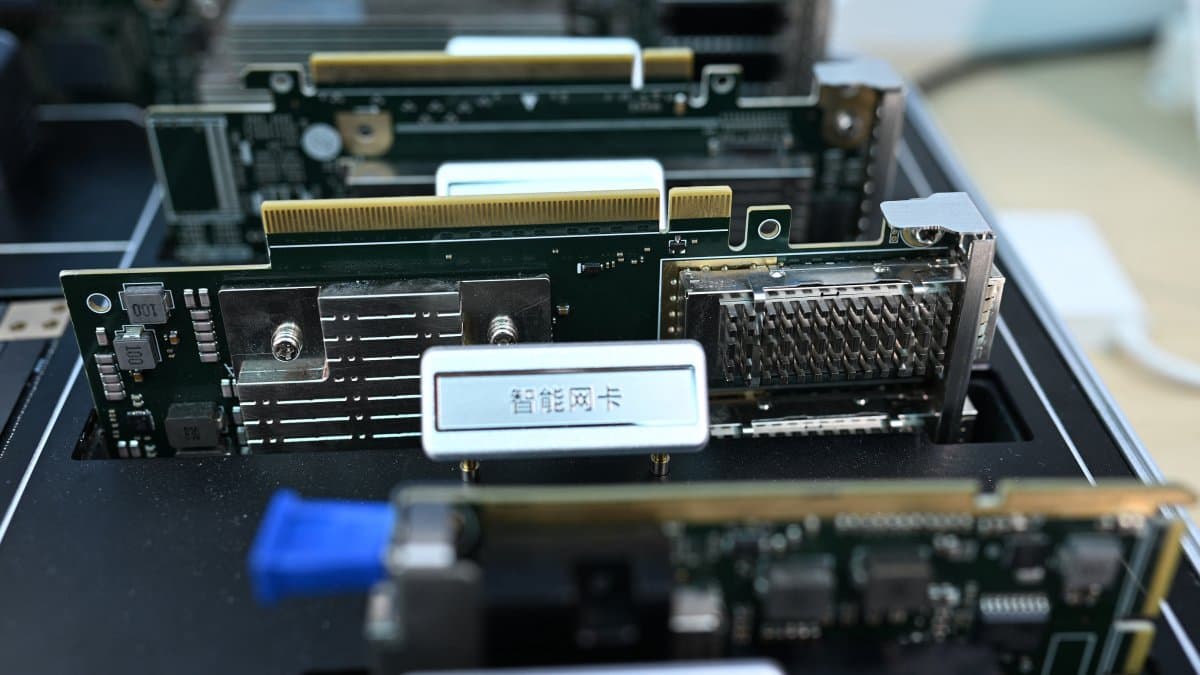
"This is a classic case of an overly broad interpretation of the concept of national security. China will closely monitor further developments and reserves the right to take corresponding measures," the Ministry of Commerce stated in response to the initiative, which would also incorporate biotechnology into the investment oversight program.
The dispute between the Treasury Department and China's Ministry of Commerce comes amid growing tensions between the White House and the communist regime over technology and intellectual property, issues that have been major foreign policy concerns in recent years. Earlier this week, the Department of State announced sanctions on five Chinese companies linked to Linwei Ding, a former Google engineer convicted earlier this year of stealing trade secrets related to artificial intelligence.
🛠 Do you think there is an error in this article?
Recommendations







LATEST