Washington tightens technological chokehold on Huawei: Bans products containing chips from subsidiary, plans new investment restrictions
On the same day this decision was announced, the Treasury proposed restricting U.S. capital in China, Russia and other high-risk countries.
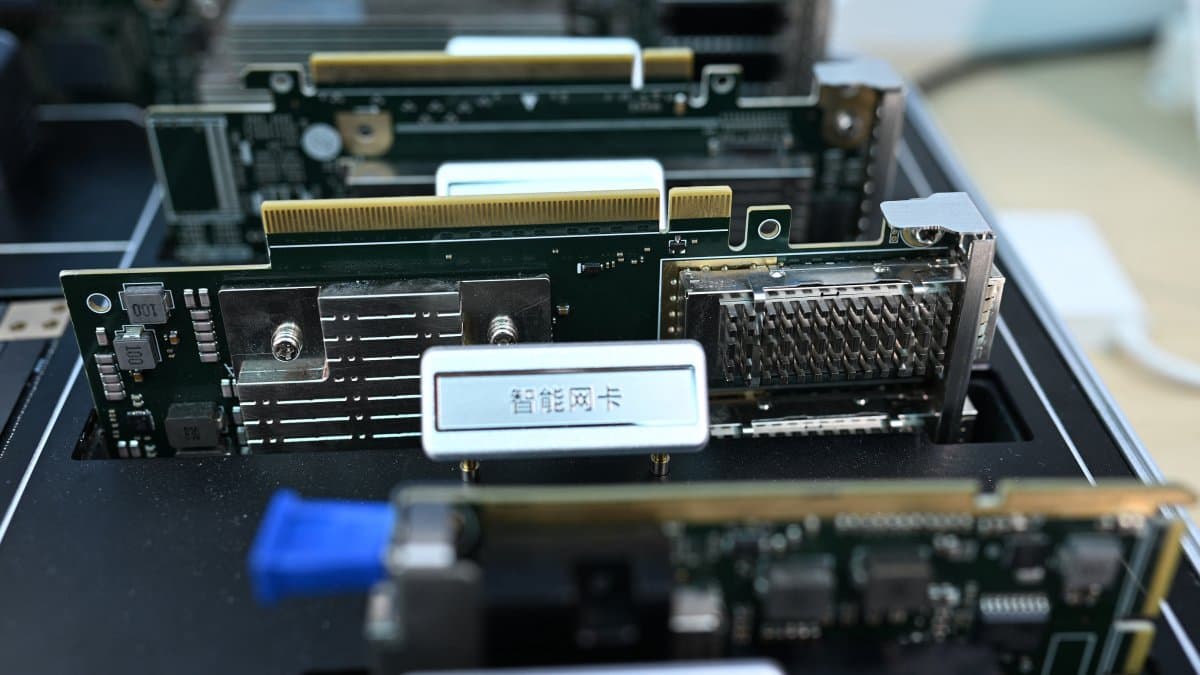

The Federal Communications Commission (FCC) on Thursday banned the sale of a dashcam and a wireless video transmitter because they contained chips from HiSilicon, the semiconductor design subsidiary of China's Huawei. This is the first time the agency has enforced the rule approved in July against products containing components from companies on its national security list.
The decision coincided with another significant move: the Treasury Department proposed a rule that restricts U.S. investments in advanced technology in China, Russia, North Korea and other countries deemed high-risk.
A chip designed for surveillance
According to the FCC, HiSilicon markets its chip as "designed for the surveillance market" and featuring "built in detection algorithms for human faces." Agency Chairman Brendan Carr stated that video devices containing chips from companies on that list pose "an obvious and unacceptable risk to the nation and our people."
Gap is closing
HiSilicon does not appear by name on the Covered List, the registry of equipment and services that the FCC considers a threat. It is included because it is a subsidiary of Huawei, which is on the list alongside ZTE, Hytera, Hikvision and Dahua. The list was created under a law passed in March 2020, and the FCC published it in March 2021. As of late 2022, a ban on authorizing new equipment included on the list has been in effect.
That rule, however, has a loophole: third-party products incorporating parts from those companies were not explicitly covered. To address this, the FCC also approved a rule that prohibits the authorization of devices containing components—such as chips—that incorporate logic from entities on the list.
The revised measure has limitations. It targets new equipment, not equipment already in use, and its scope depends on whether the component manufacturer is on the list. As a result, the major Chinese suppliers of optical transceivers for data centers are, for now, exempt.
Treasury targets capital
The outbound investment program was established in 2023, when Joe Biden signed an executive order limiting the flow of U.S. capital toward semiconductors, quantum computing and artificial intelligence in China. In December 2025, Congress enacted it into law and expanded the technologies and countries covered, including Cuba and Iran. The Treasury's proposal implements that law.
Rivalry with China, with occasional truces
Both measures are part of the economic and technological rivalry with China that has been ongoing since the first term of Donald Trump. In 2025, Trump and Chinese President Xi Jinping agreed to reduce tensions, and in September, they extended the truce until January.
Meanwhile, regulatory pressure continues. The FCC had already banned new models of Chinese-made drones and routers, and in July, the Treasury fined a company $200,000 for failing to report a $92,500 investment by a subsidiary in a Chinese artificial intelligence and robotics firm.
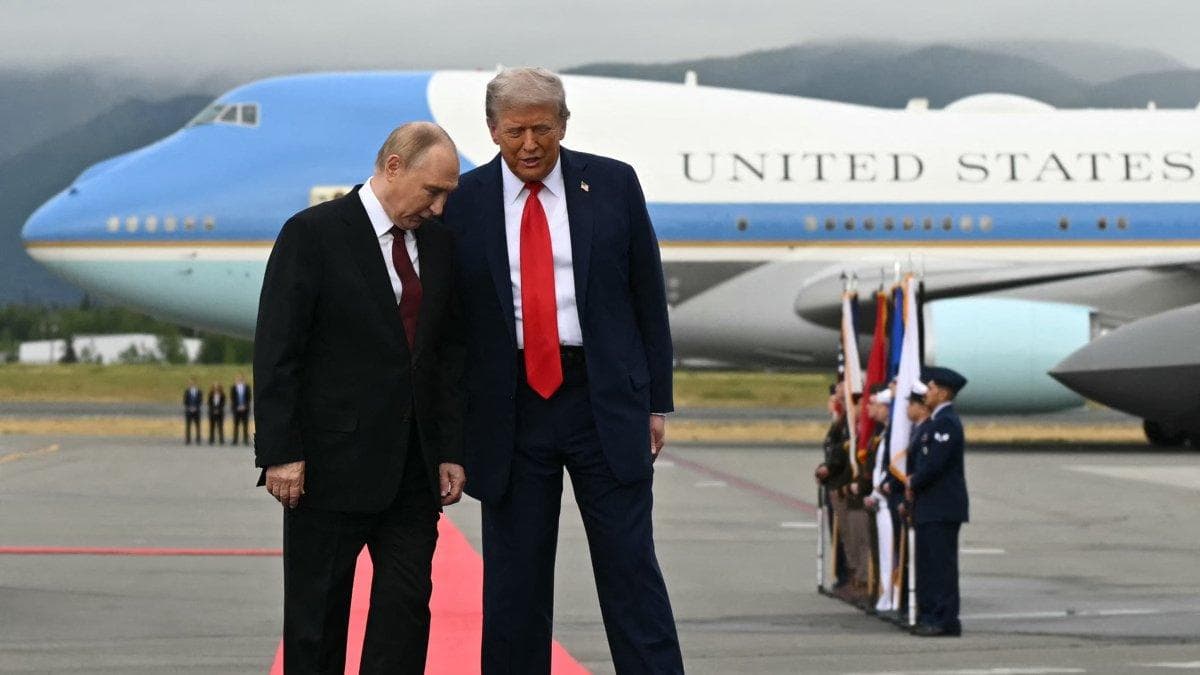
The inclusion of Russia in the proposal comes days after the Treasury granted a temporary license easing sanctions on Russian diesel, following the agreement announced on Oct. 9 by Trump with Vladimir Putin.
Politics
Russian diesel for US: Trump announces deal with Putin aimed at lowering fuel prices
Joaquín Núñez
What's next
🛠 Do you think there is an error in this article?
Recommendations


LATEST