With $446 million for midterm elections, Musk is already largest political donor in modern US history
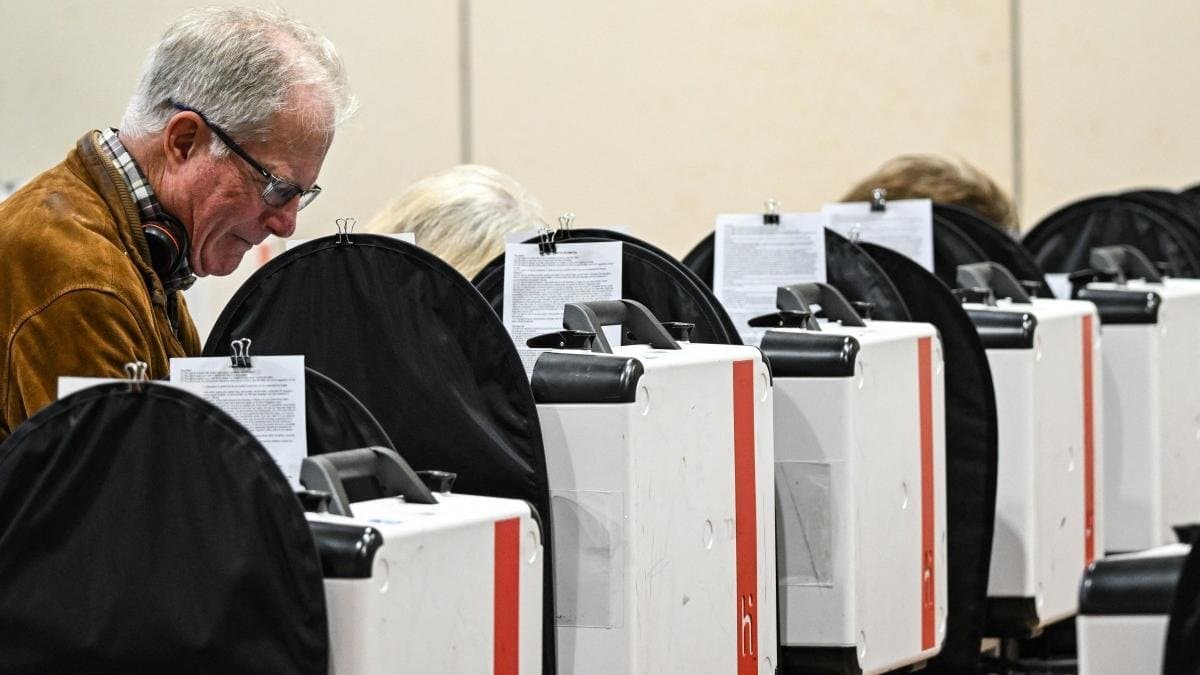
The 50 largest donors of this election cycle have already contributed more than $2.77 billion to influence the election results.
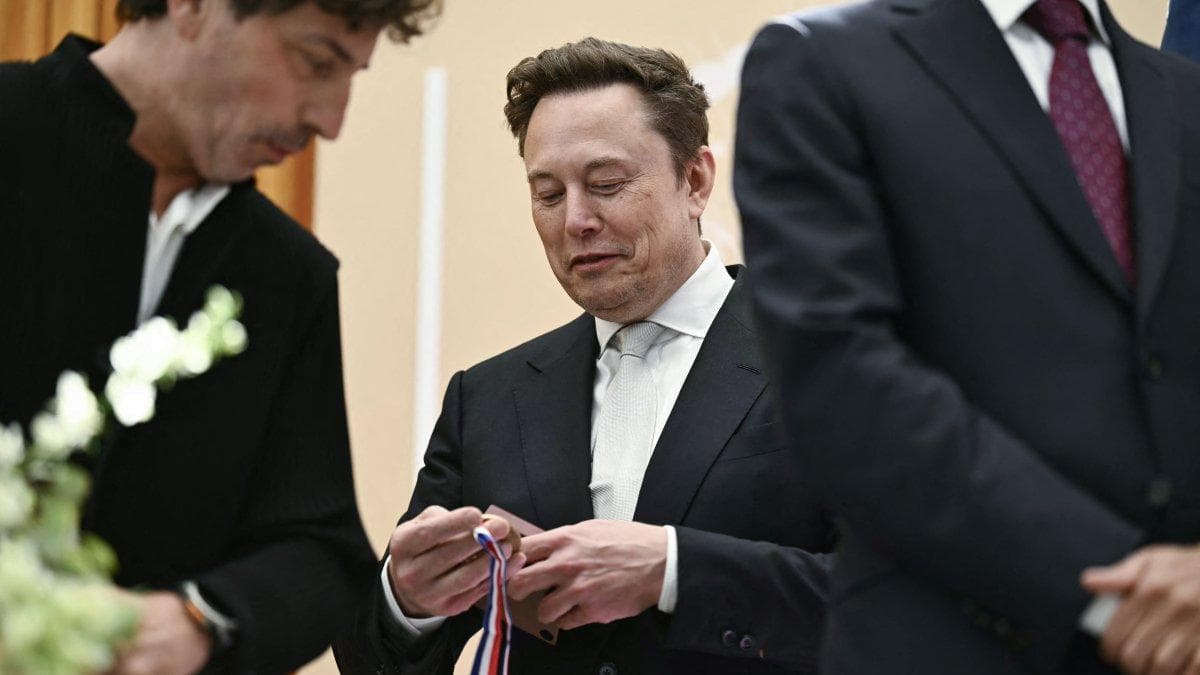

The tycoon Elon Musk has achieved a feat that no one in modern U.S. political history has ever accomplished. The entrepreneur, owner of Tesla and SpaceX and an ally of the White House, contributed $446 million from his own fortune to the November midterm elections, the highest amount ever recorded for an individual donor in the country.
Most of that money has a clear purpose: to help Republicans retain control of Congress — a complex goal, given that Democrats hold a clear lead in the polls.
The data comes from records of the Federal Election Commission (FEC), as reported by The Washington Post in an in-depth report. According to the newspaper, the 50 largest donors of the election cycle have already contributed more than $2.77 billion to influence the election's outcome.
The bulk of Musk's contribution went through America PAC, the political action committee he founded, which received nearly $216 million. Another $168 million went to the Senate Leadership Fund, the Republicans' main super PAC in the Senate, and $30 million to the Congressional Leadership Fund, its counterpart in the House of Representatives.
Much of that funding was concentrated in the final stretch. Since July, Musk has contributed at least $355 million, a figure that propelled him to the top of the donor list.
The size of the check is surprising, especially following his public break with Donald Trump last year, after having spearheaded the DOGE initiative to cut federal spending. For this reason, within the Republican Party, there was concern that the world's richest man would stay on the sidelines of this election, but his donations dispelled that doubt.
Musk is not alone at the top, though no one comes close to him. Only four individual donors have contributed more than $100 million, and three of them primarily support Republicans. Behind Musk are Richard and Elizabeth Uihlein, owners of the packaging company Uline, with $150 million, and financier Jeff Yass and his wife, Janine, with $110 million. On the Democratic side, the only one in that group is George Soros, who channeled $102 million through his company Geosor and the Fund for Policy Reform.
The overall balance clearly tilts to the right. Donors aligned with Republicans contributed about $1.67 billion, double the amount contributed by those aligned with Democrats, which totaled $832 million.
Another $264 million came from bipartisan or special-interest groups. Almost all of that money went to super PACs, which can receive unlimited contributions.
Politics
Support for democrats soars among young voters, who were already firmly blue
Williams Perdomo
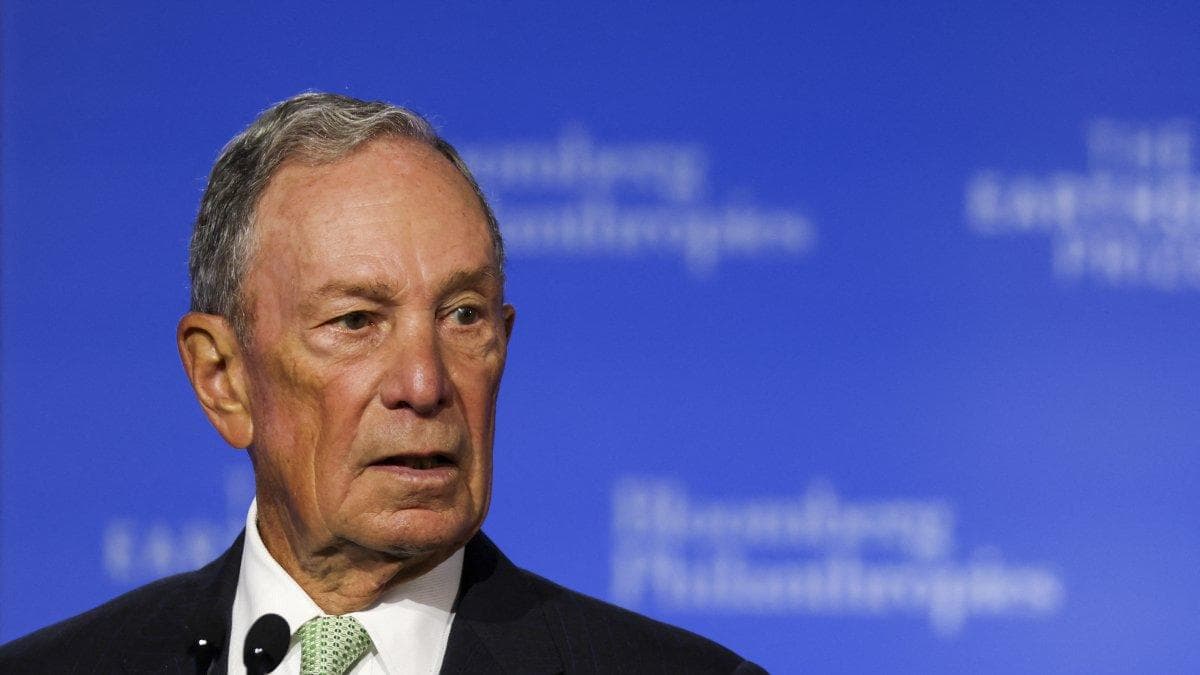
The Democrats, however, received a late boost. Former New York City Mayor Mike Bloomberg has contributed $60 million since September, most of it to House candidates, and has already amassed more than $84 million this election cycle.
Technology and cryptocurrencies are another major driving force in this election. Investors Marc Andreessen and Ben Horowitz donated more than $92 million, much of it to super PACs supporting artificial intelligence and cryptocurrencies. Greg Brockman, president of OpenAI, and his wife contributed $50 million, and the Winklevoss brothers, nearly $56 million.
Among companies, Coinbase and Ripple each contributed more than $49 million, mostly to the Fairshake super PAC.
Also on the list are the sports betting companies DraftKings and FanDuel, as well as the pro-Israel lobby AIPAC, with $30 million.
"Dark money" nonprofit organizations, which are not required to disclose their donors, also feature prominently. One Nation, aligned with Senate Republicans, contributed $133 million, while the Democratic groups Majority Forward and House Majority Forward contributed $102 million and nearly $94 million, respectively.
With less than two weeks until the election, Republicans are confident that this money will translate into more advertising and more volunteers knocking on doors. In contrast to the scale of these figures, Jeff Bezos, owner of The Post, donated just $15,000 over the entire cycle.
🛠 Do you think there is an error in this article?
Recommendations

LATEST