Washington secretly monitors Venezuelan rejection of oil deal with Delcy Rodríguez's regime, controversial businessman Alejandro Betancourt
In February, according to various polls, both Marco Rubio and President Donald Trump were the most popular political figures in Venezuela, along with opposition leader María Corina Machado. Five months later, Rubio's and Trump's popularity has plummeted to 30%, while Machado remains firmly above the 50% threshold.

An internal document from the U.S. Embassy in Caracas — leaked by mistake and deleted minutes later — confirmed that the oil agreement signed between Washington and Delcy Rodríguez's interim regime is generating strong opposition both inside and outside Venezuela, resulting in between 70% and 75% critical comments on social media, according to the embassy's own monitoring.
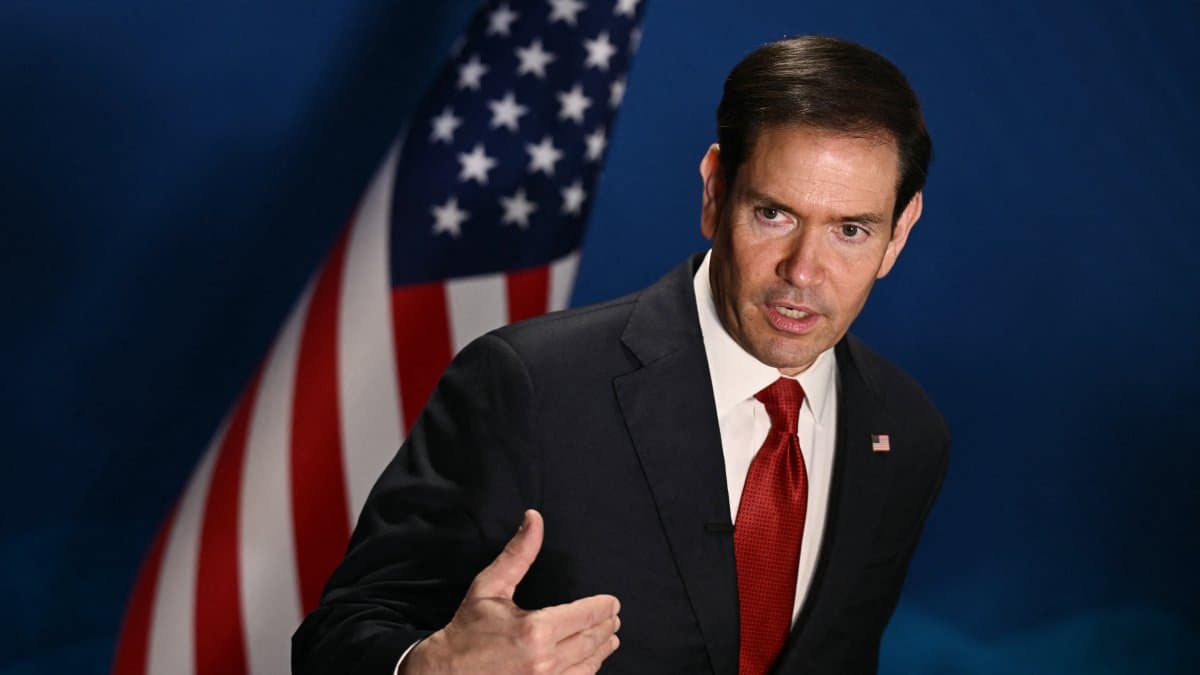
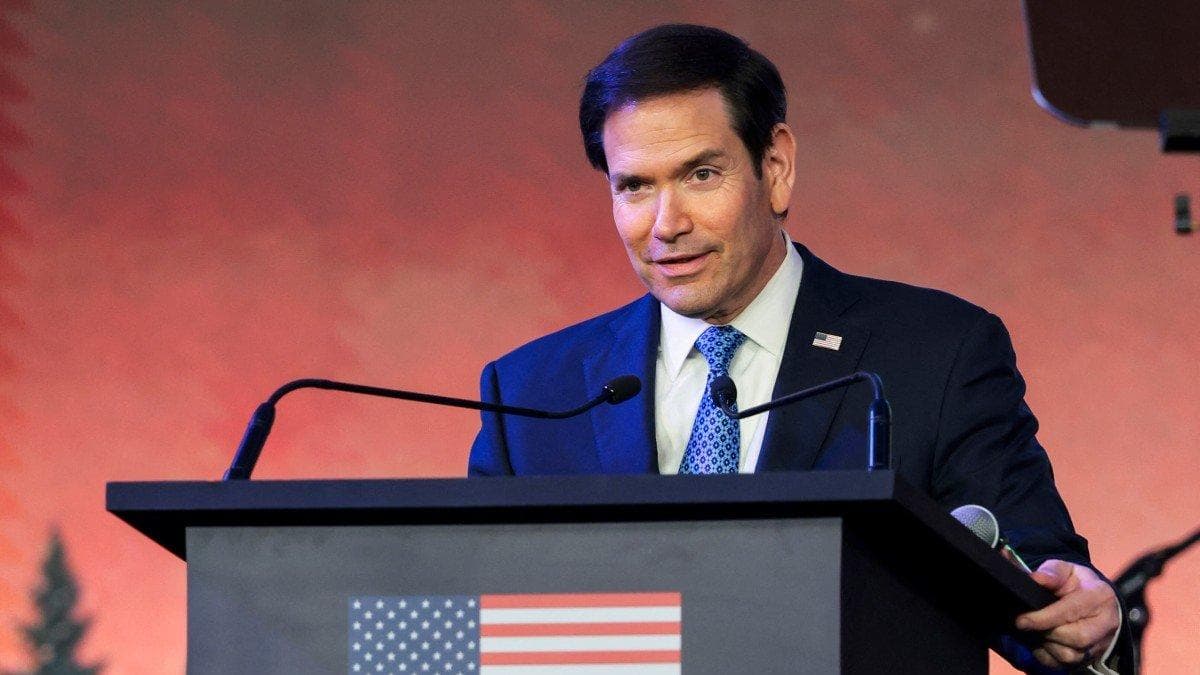
The message, accidentally shared in an embassy press group and disseminated by Venezuelan journalists and international reporters who had access to the document itself, assessed the public reaction following an extensive interview that Secretary of State Marco Rubio gave to Venezuelan journalist Sergio Novelli. The conclusion was clearly negative for Washington.
"Secretary Rubio's interview made him a trending topic in Venezuela, though social media reaction is overwhelmingly negative (70–75% critical). Most commenters dismiss his remarks as damage control, suspecting the U.S. oil arrangement enriches regime insiders rather than being a transparent deal. Widespread frustration centers on the perception that Washington is prioritizing energy resources and short-term stability over a rapid, full democratic transition. Specifically, users are deeply anxious about the lack of firm election dates, unaddressed political prisoners, and Machado's delayed return."
This strong rejection is due, in large part, to the emergence of a familiar name to Venezuelans: the "bolichico" Alejandro Betancourt.
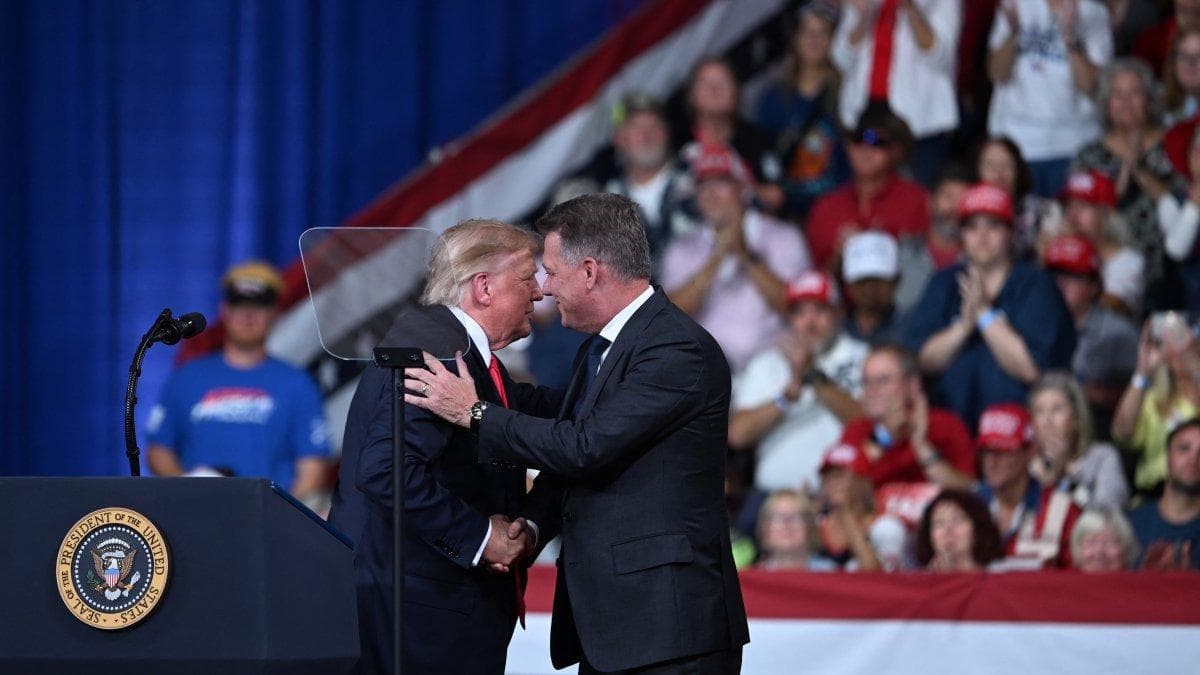
The 46-year-old Venezuelan businessman heads North American Blue Energy Partners (NABEP), the firm that secured preferential access to 17 oil fields and 100-year concessions under the direct supervision of the Pentagon, as part of the agreement that Trump described as the largest in history. According to The Washington Post, Betancourt played a key role in persuading Rodríguez to assume the interim presidency following the capture of dictator Nicolás Maduro in January, and served as a direct liaison with Rubio to break the deadlock in the negotiations.
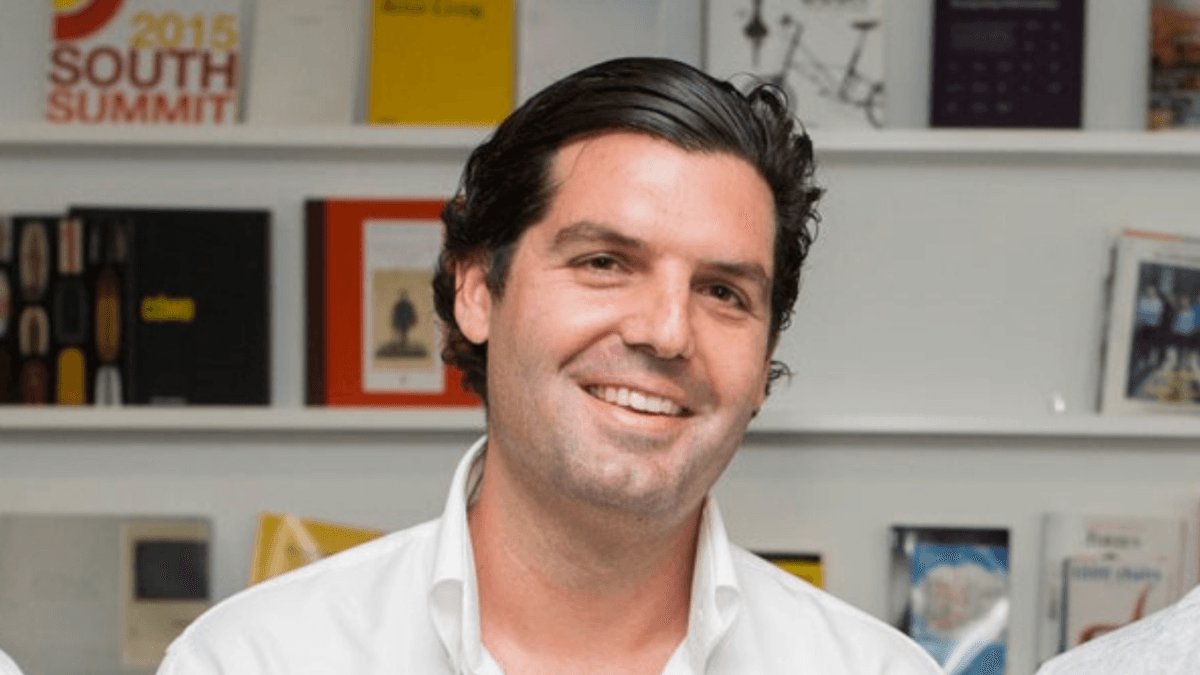
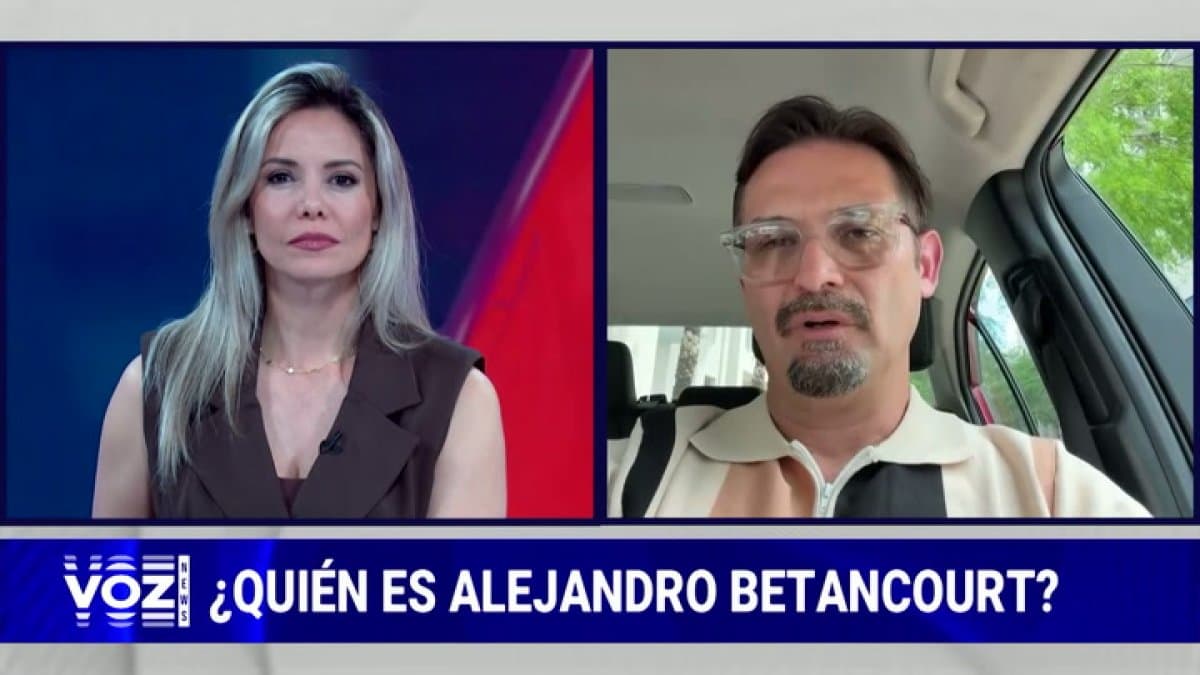
The problem is Betancourt's own track record. His fortune has dubious origins, dating back to the early 2010s through Derwick Associates, a company that secured government contracts worth approximately $5 billion without a bidding process during Hugo Chávez's regime to build thermoelectric plants amid Venezuela's electricity crisis, despite having no prior experience in the sector. Transparency International estimated overbilling of nearly $2.9 billion, and the Venezuelan public dubbed Betancourt and his inner circle "bolichicos," a derogatory term for young businessmen who amassed fortunes thanks to their ties to the Chavista regime. His financial dealings even drew the scrutiny of authorities in the United States, Spain and Switzerland over an alleged $1.2 billion money-laundering scheme — an investigation that stalled this spring after U.S. officials, including then-Attorney General Pam Bondi, intervened by telephone with Swiss authorities to prevent a potential arrest and allow him to travel and finalize the oil deal.
Now the Betancourt affair has negatively impacted the Trump administration's image in Venezuela, and polls reflect a decline in the popularity of key officials. In February, both Marco Rubio and President Donald Trump were, according to AtlasIntel/Bloomberg, the most popular political figures in Venezuela alongside opposition leader María Corina Machado. Five months later, Rubio and Trump's popularity plummeted to 30%, while Machado remains firmly above the 50% threshold.
Congress also began asking questions about the oil agreement between the U.S. and Venezuela. The online news outlet NOTUS reported that Republican and Democratic lawmakers on the House Foreign Affairs Committee demanded that the Department of State provide periodic reports on the terms of the agreement, which covers reserves estimated at 65 billion barrels. Representative María Elvira Salazar was one of the voices speaking out on the matter: "They need to know that the person holding the presidency was elected by the Venezuelan people, and that is not the case with Delcy, so we have a problem there." The State Department responded that this is "a private agreement with a private company," not a political pact with the interim regime.
Amid harsh criticism from Venezuelans, Secretary Rubio has insisted that the transition toward democracy remains on track. He told Novelli that "much more needs to be done, including on the issues of democracy and elections," and that the goal is for "Venezuela's wealth to return to Venezuela and its people through a democratically elected government." However, President Trump himself complicated that message by stating that Venezuela is "not ready yet" to hold elections—a stance that has also drawn criticism, as critics argue that they are not demanding immediate elections, but rather a timeline and guarantees of compliance.
These statements are causing deep disappointment in Venezuela. According to economist Omar Zambrano, quoted by The Washington Post, there was genuine euphoria in the country following Maduro's capture; however, that same euphoria fades with every day that Rodríguez remains in power without a set election date.
"I think all of the goodwill and the positive image that the Trump administration had, little by little, is being diluted", he told the WaPo.
🛠 Do you think there is an error in this article?
Recommendations
LATEST