Trump expands his plan to lower drug prices: 26 pharmaceutical companies have now joined
Agreements have been reached with Alcon, Astellas Pharma, BeOne Medicines, BridgeBio, CSL, Kyowa Kirin, Sun Pharma, Teva Pharmaceuticals and UCB. With these new additions, 26 companies have now joined the initiative spearheaded by the White House.
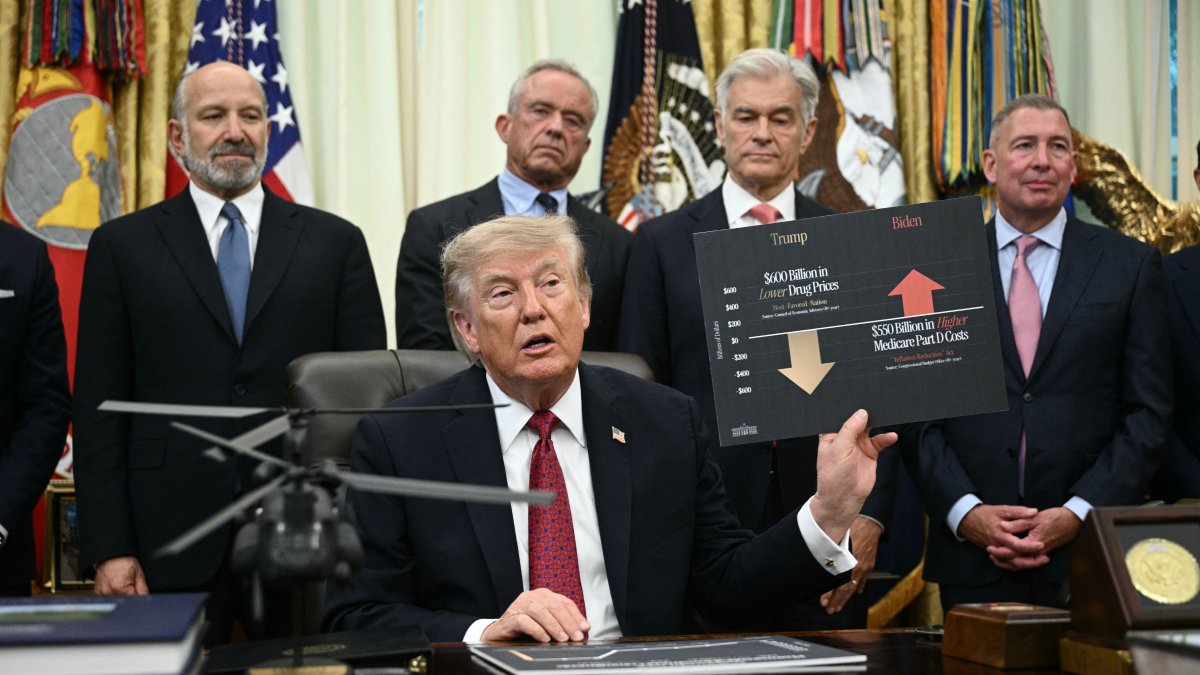
Donald Trump in the Oval Office / Brendan Smialowski

Donald Trump announced that nine more biotech and pharmaceutical companies have joined his plan to lower drug prices. Agreements were reached with Alcon, Astellas Pharma, BeOne Medicines, BridgeBio, CSL, Kyowa Kirin, Sun Pharma, Teva Pharmaceuticals and UCB. With these new additions, there are now 26 companies that have joined the initiative led by the White House.
Through the "most-favored-nation" (MFN) policy. The term MFN comes from international trade law and means that the price paid by other developed countries for a drug is used as a benchmark, and that value is set as the maximum. Subsequently, negotiations take place to ensure that pharmaceutical companies sell at that price in the United States.
In this case, the drugs covered by the agreements include treatments for diseases such as cancer, Parkinson's, hemophilia, macular degeneration, glaucoma and various liver diseases.
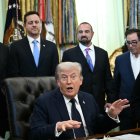
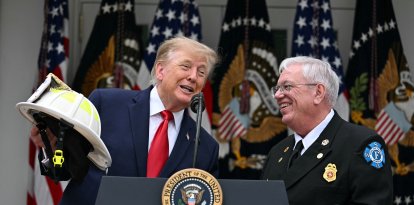
The president announced the news from the Oval Office, where he was joined by Secretary of Health and Human Services Robert Kennedy Jr., Secretary of Commerce Howard Lutnick, Centers for Medicare and Medicaid Services Administrator Mehmet Oz and representatives from the companies involved.
"Since launching our most favored nation initiative less than one year ago, my administration has forged agreements with the world's 17 top pharmaceutical companies—some of them you've met at other meetings—to offer their medicines at these steep discounts. And with today's announcement, we now have 26 companies representing 90% of the domestic pharmaceutical market, and the other 10% are also coming in. They have no choice," said Trump.
According to the president, in total, these agreements are expected to "save Americans more than $600 billion."
"This is going to have a dramatic impact on medical pricing and on health, public health in our country," Secretary Kennedy Jr. noted.
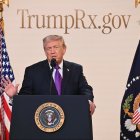
This Trump policy will reduce the cost of medications both for Medicaid—the public health program primarily aimed at low-income individuals—and for consumers. Participating companies will offer certain drugs to Medicaid under the most-favored-nation model, while the administration uses TrumpRx, a platform launched in February, to provide Americans with access to discounts negotiated directly with manufacturers.
The new agreements also include investment commitments. The nine companies announced at least $19.6 billion in new investments in pharmaceutical manufacturing within the United States.
The president began pushing for lower drug prices in May 2025, when he formalized this policy with an executive order to seek MFN prices. Two months later, the White House reached out to major pharmaceutical companies to propose that they align their prices with those levels. In exchange, they receive tax benefits, tariff exemptions, subsidies and regulatory incentives.
Since then, agreements have been reached with companies such as AstraZeneca and Novo Nordisk. Other companies with which similar agreements were reached include: Amgen, Bristol Myers Squibb, Boehringer Ingelheim, Genentech, Gilead Sciences, GSK, Merck, Novartis and Sanofi.
LATEST