







When is the best time to weigh yourself? Tips for getting a reliable reading
Experts recommend weighing yourself in the morning, after using the restroom and before breakfast. Rather than choosing a specific day, the important thing is to repeat the measurement under similar conditions and observe the trend over several weeks.

Body weight is not a fixed number. It can change from one hour to the next as a result of hydration, meals, physical activity, salt intake, bowel movements and hormonal fluctuations.
For this reason, a higher reading in the evening or after a large meal does not necessarily mean you have gained fat. In most cases, it reflects temporary changes in the amount of fluids and food in the body.
The morning provides the most stable reading
The Cleveland Clinic recommends always using the same scale, placing it on a firm, flat surface, and weighing yourself while wearing light clothing or similar attire. The American Heart Association agrees that first thing in the morning is the best time.
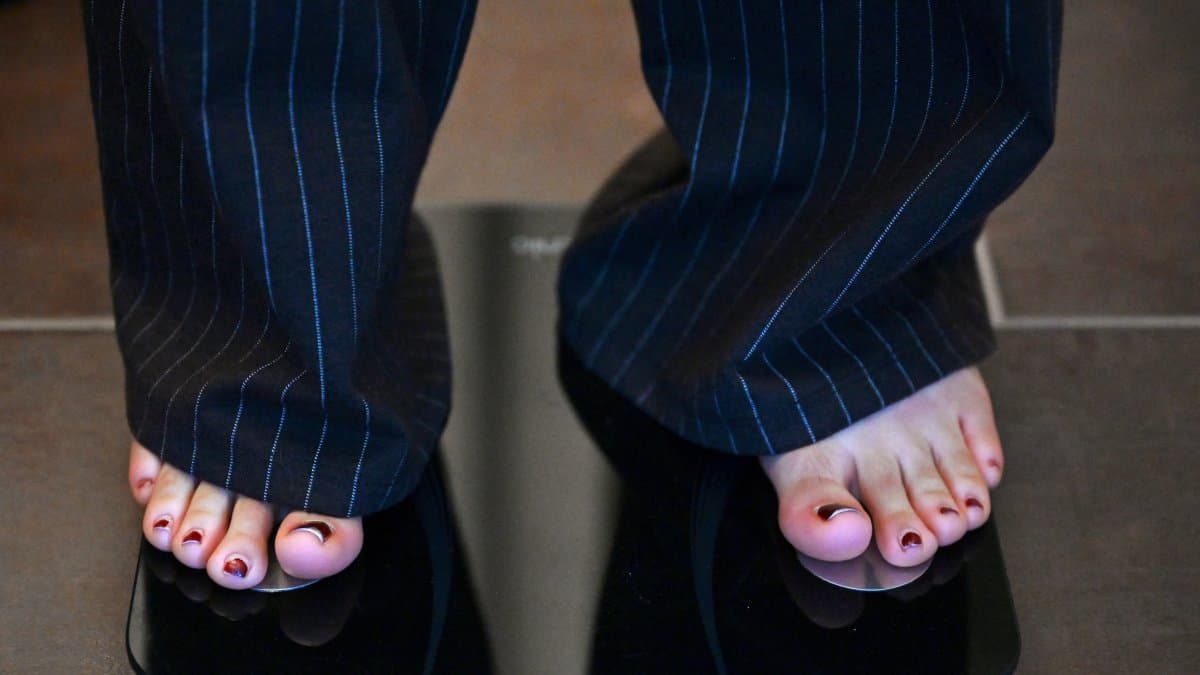
It's also a good idea to place your feet evenly on the scale and stand still during the measurement. Changing scales, times, clothing or surfaces can introduce variations that make it difficult to assess your actual progress.
Is there a best day of the week?
There is no single day universally considered the most accurate. If you decide to weigh yourself once a week, the key is to choose a fixed day and always maintain the same conditions.
Some research has identified a weekly pattern: weight tends to increase over the weekend and gradually decrease on weekdays. A study published in Obesity Facts found higher readings on Sundays and Mondays, followed by a decline toward the end of the week.
Another study published in PLOS ONE observed weekly fluctuations of about 0.35% of body weight, associated with changes in diet and physical activity.
This may make Friday seem like a more favorable day for some people, but it doesn't mean it's scientifically "better." Choosing it solely because it tends to yield a lower number can skew the assessment. What's truly useful is comparing each Friday to previous Fridays, or each Monday to previous Mondays.
Why Mondays may show higher readings
Therefore, Monday isn't necessarily the "worst" day to weigh yourself: it may simply reflect your weekend habits. If you stick to it as a fixed day, it remains a valid way to track long-term progress.
The trend matters more than a single number
Daily fluctuations of as much as a few pounds can be normal. According to the Cleveland Clinic, these are usually related to fluid retention, digestion, constipation, exercise, hormonal changes or certain medications.
To get the most out of your scale, it is recommended that you:
- Weigh yourself at the same time each day and under similar conditions.
- Always use the same scale.
- Record your results and analyze the weekly average or trend.
- Do not interpret a one-time increase as an immediate gain in body fat.
- Supplement your weight measurements with waist circumference, how your clothes fit and other health indicators.
Weighing yourself correctly isn't about finding the lowest number, but about obtaining comparable data. The first hour of the morning offers the most stable conditions, while consistency and trends over several weeks provide much more useful information than any single reading.
A sudden, unexplained weight gain—especially if accompanied by bloating, shortness of breath or other symptoms—should be discussed with a healthcare professional. Likewise, if weight monitoring causes anxiety or obsessive behaviors, it may be better to reduce the frequency of weigh-ins and seek specialized guidance.
🛠 Do you think there is an error in this article?
Recommendations









LATEST