Trump administration adds Regeneron to its program to reduce drug prices
The deal includes Praluent, a popular Regeneron cholesterol drug. While its market value is $537, it will be sold for $225 to patients who buy it directly through the TrumpRx platform.
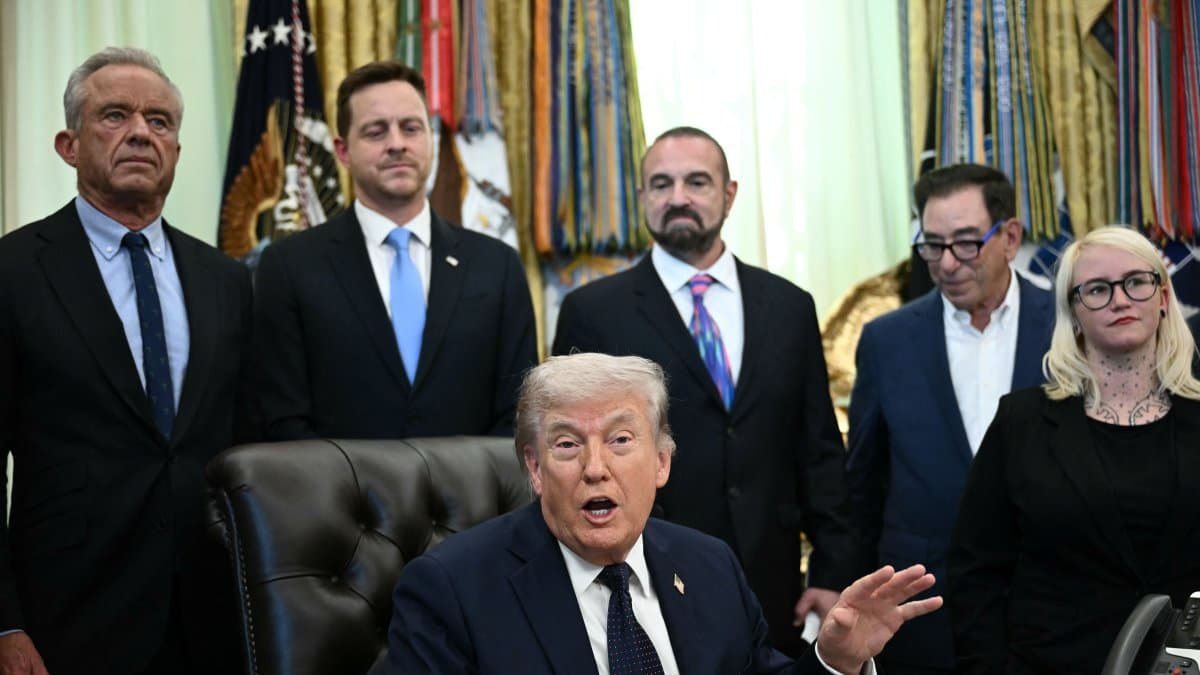

Regeneron reached an agreement with the Trump administration to reduce the prices of its drugs for some Americans. As explained by the White House, the agreement will provide all state Medicaid programs with access to most-favored nation (MFN) pricing for the company's new products. This is the 17th agreement that the government has negotiated with a pharmaceutical company to reduce the prices of its products.
The agreement includes Praluent, a popular Regeneron cholesterol drug. While its market value is $537, it will be sold to patients for $225 through TrumpRx, a government portal launched to help Americans access prescription drugs at significant discounts.
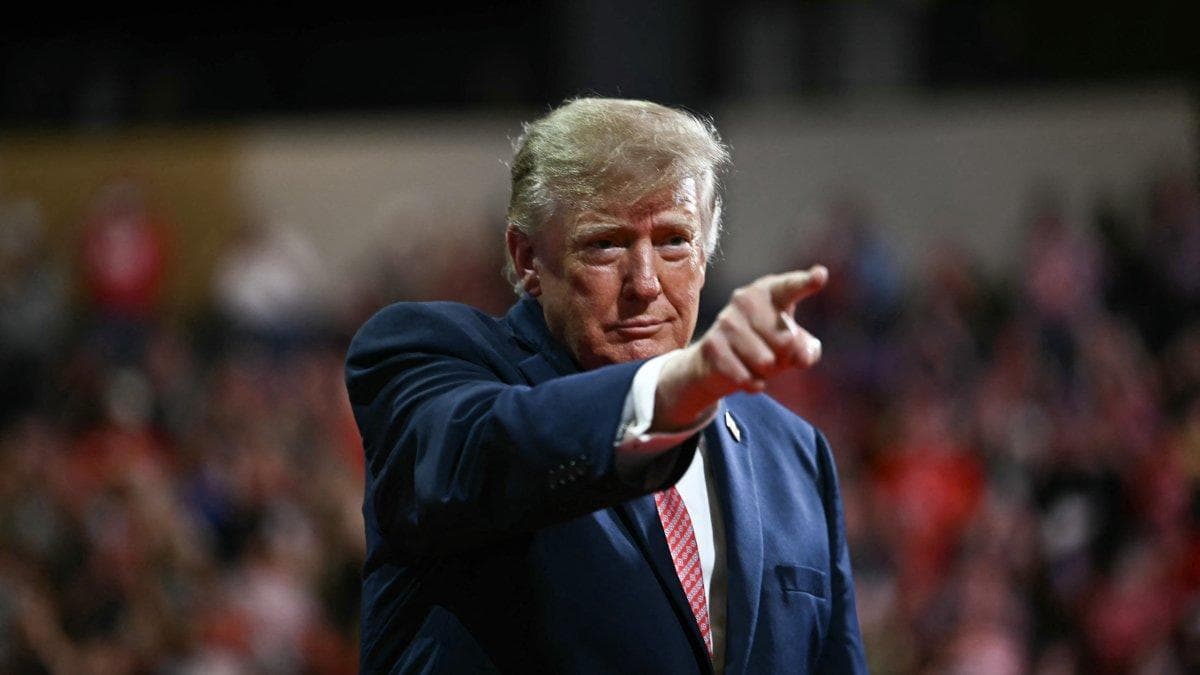
"Today, we're building on our unprecedented success with Regeneron committing to offer all new drugs moving forward. At most favored nations prices, they'll make their current drugs available to Medicaid at MFN. That's most favored nation. Additionally, they'll also offer their current drug, Praluent, which is lower cholesterol and fight heart disease to all consumers at dramatically lower cost," President Donald Trump said from the Oval Office.
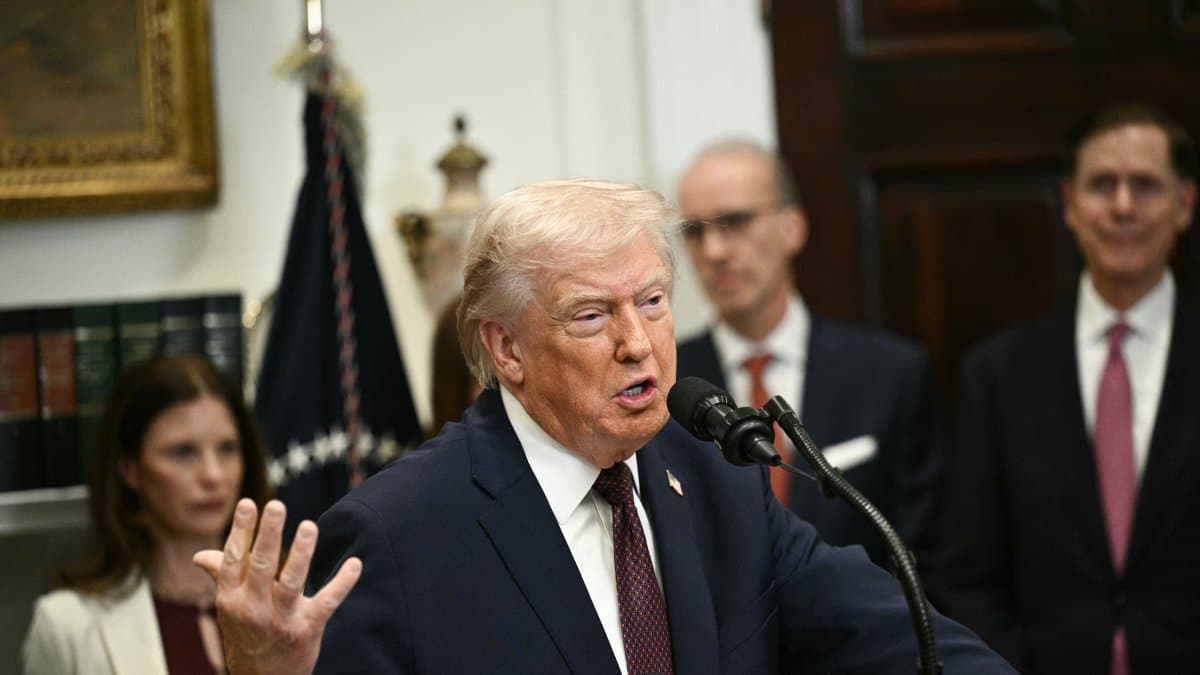
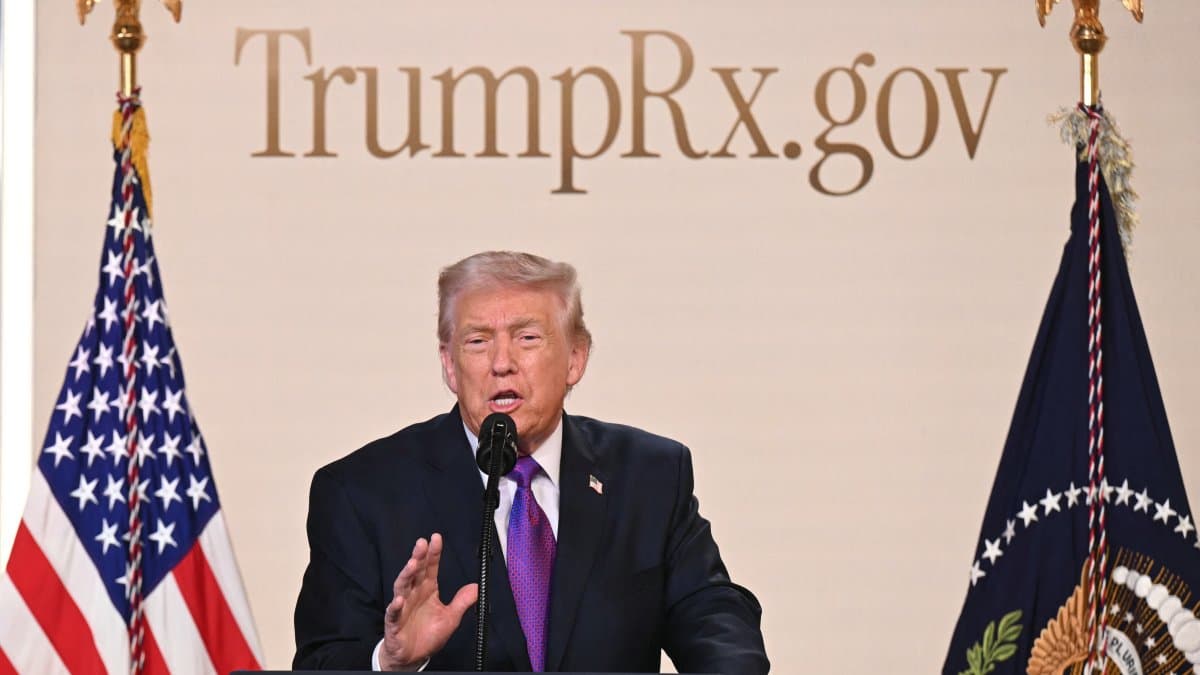
"We are happy to be here because it marks an important step to lower drug prices. We’ve been arguing for more than a decade that other wealthy nations have been getting a free ride and American innovation. Now, the President is putting policies in place to force these nations to pay their fair share, which will, in turn, lower prices for Americans," Leonard Schleifer, CEO of Regeneron, said.
The White House also noted that Regeneron will offer a new therapy called Otarmeni, which fights a rare type of genetic deafness, at no cost. A mother whose young son suffers from this pathology was part of the event and described how this treatment changed her family's life: "He didn't know his name. He couldn't hear me tell him how much I love him — and now, with Regeneron, and this amazing surgery, he can listen to music... now he can hear."
.@POTUS: "Today, we're building on our unprecedented success with @Regeneron committing to offer all new drugs moving forward at Most Favored Nation prices... Additionally, they'll also offer their current drug, Praluent, which is to lower cholesterol and fight heart disease, to… pic.twitter.com/fnOqlASLTL
The president began pushing for lower drug prices in May 2025, when he formalized the policy with an executive order requiring MFN prices. Two months later, the White House contacted the major pharmaceutical companies to propose that they align themselves with these prices. In exchange, they would receive tax benefits, tariff exemptions, subsidies and regulatory incentives.
Since then, agreements were reached with companies such as AstraZeneca and Novo Nordisk. Other companies with which similar agreements are in place include: Amgen, Bristol Myers Squibb, Boehringer Ingelheim, Genentech, Gilead Sciences, GSK, Merck, Novartis and Sanofi.
The term "most-favored nation" comes from international trade law. In this case, it means taking as a reference how much other developed countries pay for a drug and setting that value as the maximum. You then negotiate for the drug companies to sell at that price in the United States.
🛠 Do you think there is an error in this article?
Recommendations




LATEST