ANALYSIS
California and the drama of vote counting: why does it take so long?
Two laws were passed in the last ten years that may be responsible for the slow pace of reporting election results.
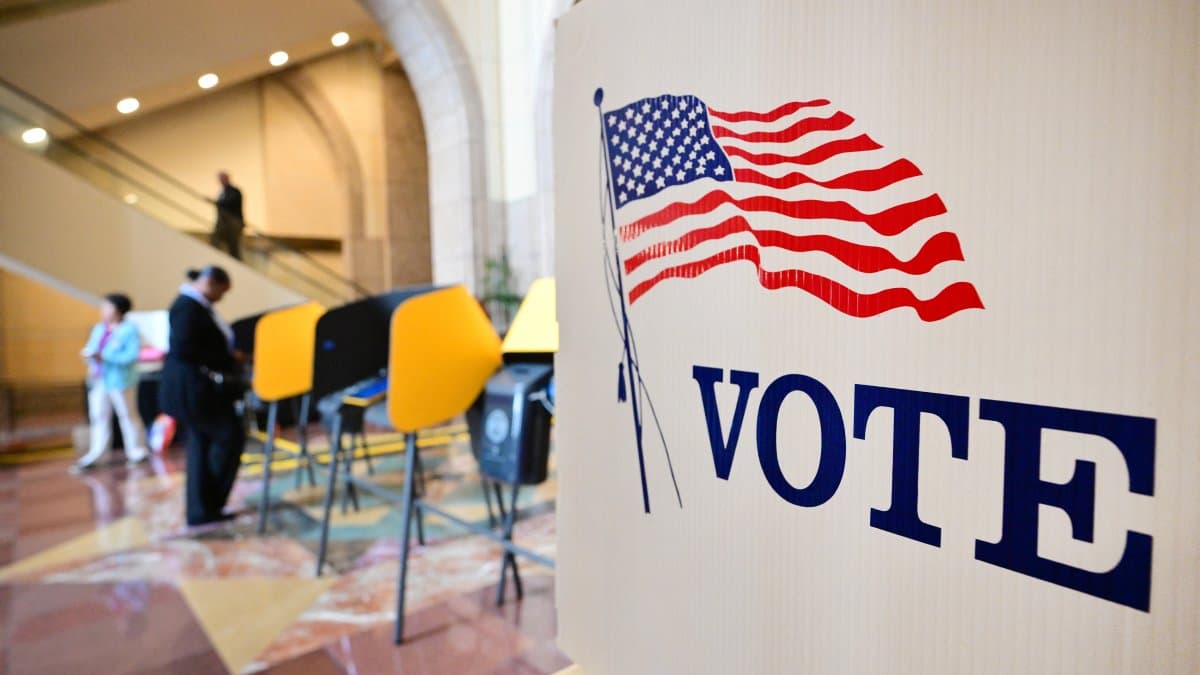

In the 2020 presidential election, Florida, the third most populous U.S. state, had counted 99% of the votes in just a few hours. At the other end of the country, California continued to update tally data until Dec. 3, a month after Election Day. Six years later, theslowness of the countstill comes under fire in California.
Last Tuesday, June 2, the primary elections for governor and other key races in California took place at both the federal and state levels. As of Friday, authorities had barely reported 60% of the votes, keeping dozens of candidates, donors and supporters across the state on edge.
Social networks were filled with mockery and criticism of the electoral system, which underwent a series of reforms in recent years by two Democratic governors. While proponents of the changes argue the delay is a consequence of an attempt to increase turnout, critics point out that the system is too flexible and slow.

The two reforms that changed California's electoral system
In 2021, Governor Gavin Newsom pushed through and signed AB 37 into law. The legislation permanently requires the mailing of a vote-by-mail ballot to every registered voter, regardless of whether they plan to vote by mail or in person.
Thus, what began as an extraordinary measure during the pandemic ended up becoming a permanent feature of the California election system.
"As states across our country continue to enact undemocratic voter suppression laws, California is increasing voter access, expanding voting options and bolstering elections integrity and transparency," Newsom stated at the time.
The second major change occurred in 2016 and was implemented by Governor Jerry Brown. The Democrat signed AB 1921 into law, modifying the rules for a practice known as 'ballot harvesting' that allows third parties to deliver mail-in ballots on behalf of other voters.
Until the reform, the delivery of a third-party ballot was generally limited to immediate family members or persons with a specific relationship to the voter. The new legislationbroadened the universe by allowing anyone authorized by the voter to return the ballot to election authorities.
While California is not the only state that allows 'ballot harvesting,' it is among the most permissive in the country.
While Democrats pointed out that the measure facilitates the participation of senior citizens and citizens who live far from polling places, conservatives in the state questioned that the incorporation of additional intermediaries between the voter and the authoritiescould increase the possibility of electoral fraud.

Politics
John Fetterman corners Graham Platner and demands that he publish messages with mystery women on controversial Kik platform
Andrés Ignacio Henríquez
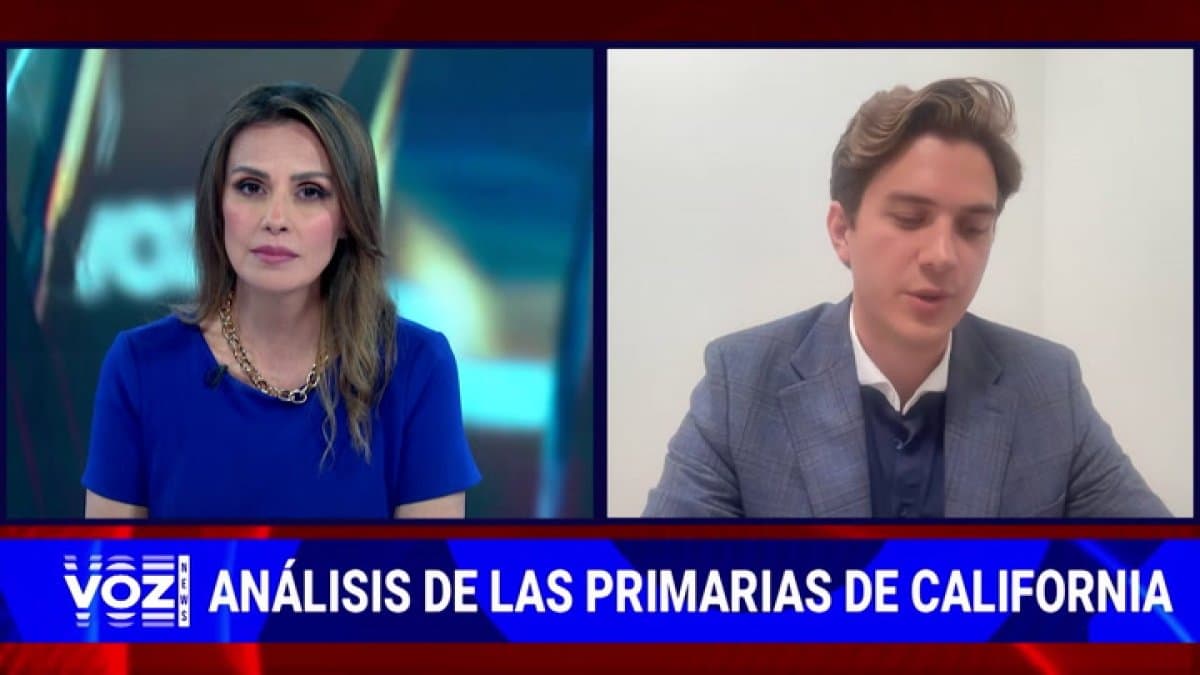
Why does it take so long to count votes?
Unlike other states, the reform implemented by Newsom allows mail-in ballots to be countedeven if they arrive several days after the election, as long as they were mailed before the close of voting.
As a result, counting continues for several days after the polls close.
Added to this is a key factor: the validation of the ballots. According to local law, the electoral authorities must verify the voter's signature and confirm that the ballot meets the requirements. If there are inconsistencies or missing information, the ballot may be temporarily under review.
In addition, universal absentee voting means that the total volume of votes to be processed continues to grow even when the polling places have already closed.
As for the expansion of 'ballot harvesting,' it generated that an important part of the mail ballots arrive through intermediaries such as community organizations, unions and activist groups, who participate in ballot collection and delivery tasks.
The practice gained national notoriety after the 2018 midterm elections, when several Republican candidates in Southern California lost early leads as thousands of mail-in ballots were processed in the days after the election.
As a result, large numbers of ballots may arrive at polling places after the polls close, having to go through the same screening and verification process as the rest of the ballots that arrived by mail.
🛠 Do you think there is an error in this article?
Recommendations



LATEST