Despite pressure from Trump, South Carolina rejects redrawing districts in the midst of a national war over election maps
Several Republican senators voted with Democrats to reject the electoral map change before the November election.


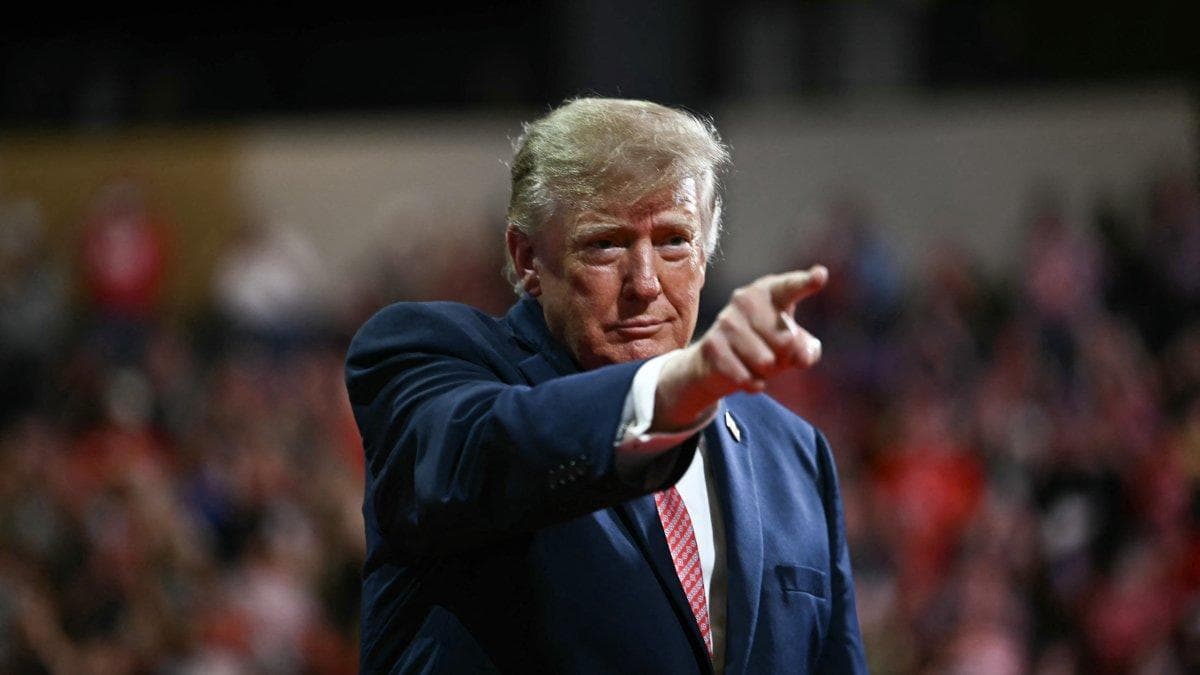
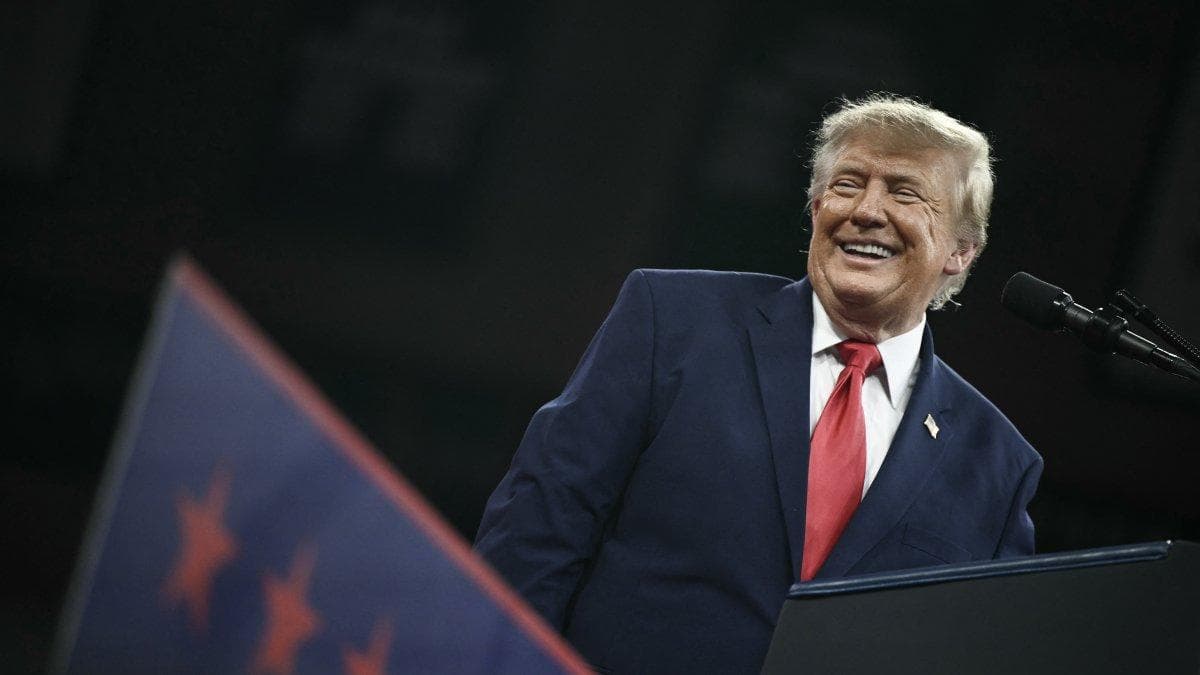
Republicans in South Carolina rule out redrawing the electoral map before the midterm elections. The state Senate rejected the latest attempt pushed by President Donald Trump to add Republican-leaning seats in the House of Representatives.
After the state Senate initially refused to extend the legislative session to debate a new electoral map, Trump pressured the state's governor, Henry McMaster, to call a special session.
With lawmakers back at the local Capitol, they debated the possibility of repealing and delaying the primary so that the eventual new map could be used in this election.
The proposal advanced, and a vote was scheduled to cancel the ongoing primaries, which had begun on that very Tuesday, May 26, and to schedule new primaries using the proposed map.

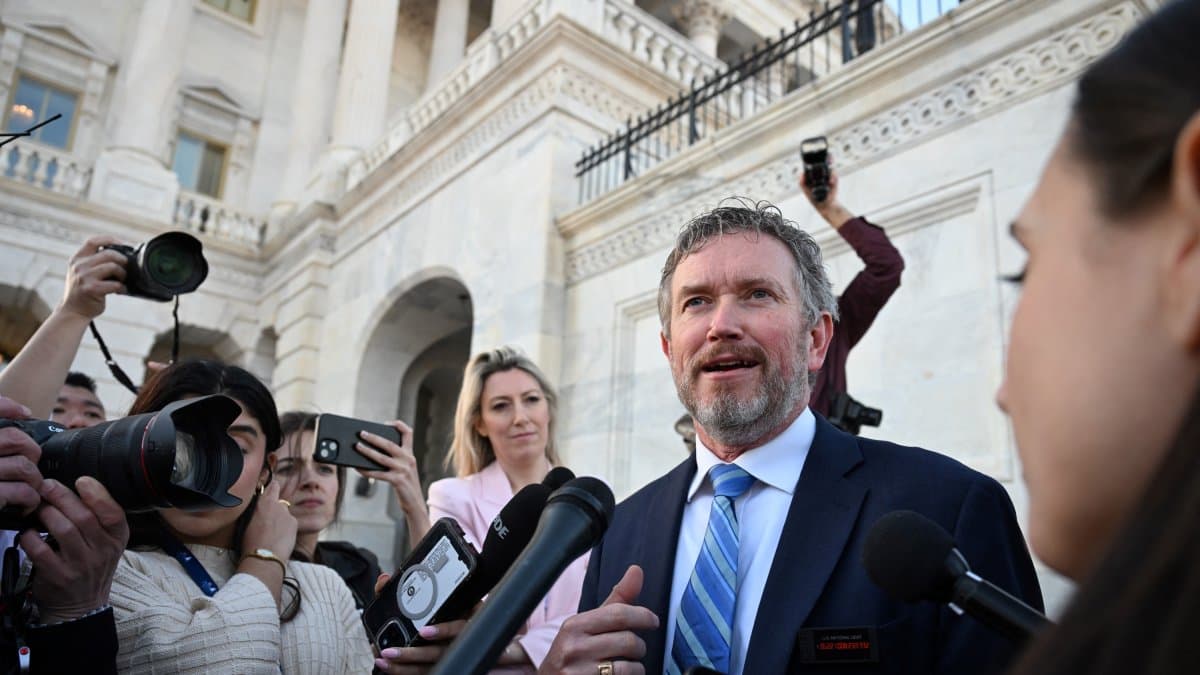
Ultimately, state senators refused to modify the electoral map for the November elections, so the same one will continue to be used as it has been since 2020.
Several Republican senators voted along with Democrats to reject the proposal. "South Carolina citizens are going to the polls today. And neither my conscience or common sense is going to let me stop an election that is already underway," Republican state Sen. Richard Cash said.
Currently, the state's House delegation consists of six Republican-leaning districts and one Democratic-leaning district. That lone Democratic seat is held by Jim Clyburn, one of Washington, D.C.'s most powerful Democratic legislators.
The Republicans' proposed map aimed to make Clyburn's district more competitive, potentially adding a Republican-leaning seat in the House.
While electoral map changes occur at the end of every decade and after the census, in 2025, President Trump pushed for an atypical map change in Texas, adding five Republican-leaning seats in the House of Representatives, with the intent that this would help retain the majority in the November elections. Subsequently, other Democratic and Republican states have pushed for changes to their respective maps, including California, Ohio, Missouri, Florida, Tennessee and North Carolina.
In the case of the southern states, the door was opened following the Supreme Court's ruling in Louisiana v. Callais, which held that Louisiana's 2nd congressional district violated the Equal Protection Clause of the Fourteenth Amendment because it had been racially drawn. The decision opened the door for other southern states to challenge racially drawn electoral maps, especially those drawn under pressure from the Voting Rights Act of 1965.
🛠 Do you think there is an error in this article?
Recommendations





LATEST