The Florida legislature approved a new electoral map that would add four Republican seats in the House of Representatives
The map designed by lawmakers would add four Republican-leaning seats, moving from a 20-8 majority in the House delegation to a 24-4 one.
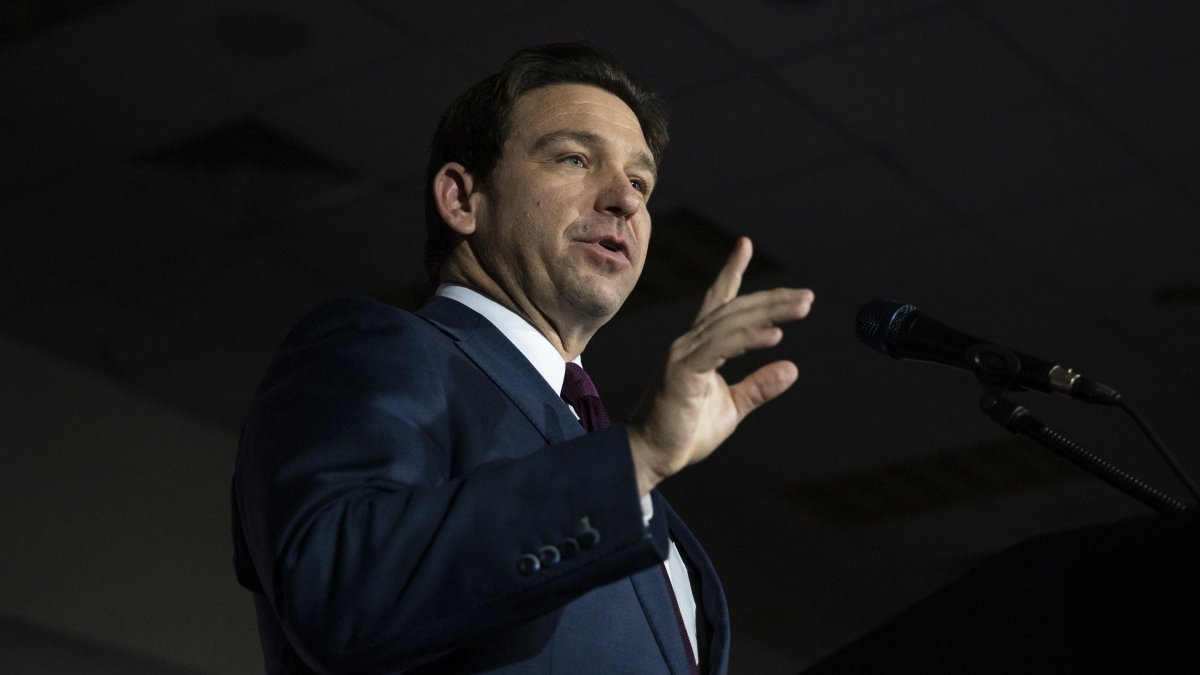
Ron DeSantis in Iowa/ Christian Monterrosa.

The Florida Legislature approved a new electoral map heading into the midterm elections. With the backing of the state's governor, Ron DeSantis, the map designed by lawmakers would add four Republican-leaning seats, moving from a 20-8 majority in the House delegation to 24-4.
In a special session of the Legislature, both the Florida Senate and House voted to change the electoral map heading into November, sending the bill to Governor DeSantis' desk. The Senate was the last to approve the map and did so along party lines by a 21-7 vote.
According to Dave Wasserman, senior editor of the Cook Political Report, the four Democrats who would be in danger of losing their seats are as follows: Kathy Castor, Darren Soto, Jared Moskowitz and Debbie Wasserman Schultz.

Politics
Supreme Court strikes down Louisiana's race-based congressional map in landmark voting rights ruling
Carlos Dominguez
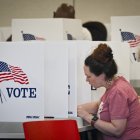
According to some Republican state legislators, the new electoral map would conflict with an amendment known as Fair Districts. This provision was incorporated into the Florida Constitution in 2010, with the aim of limiting partisan gerrymandering of election districts. However, as reported by The Associated Press, "DeSantis and his aides believe those provisions will not be a legal barrier."
The Florida vote comes just weeks after voters in Virginia approved a new electoral map, which would go from 6-5 in favor of Democrats to 10-1. Pending the Virginia Supreme Court's determination of the map's legality, Governor DeSantis' initiative is the latest episode in the battle over redistricting that has spread across the country.
While electoral map changes occur at the end of every decade and after the census, in 2025 President Donald Trump pushed for an atypical map change in Texas, adding five Republican-leaning seats in the House of Representatives, with the intention that this would help retain the majority in the November election. Subsequently, other Democratic and Republican states have pushed for changes to their respective maps, including California, Ohio, Missouri and North Carolina.
LATEST