Marco Rubio criticizes WHO for reacting 'a little late' to Ebola outbreak
The Secretary of State announced that the U.S. plans to open some 50 treatment clinics in the affected area. However, he acknowledged logistical difficulties: "It's a little tough to get to because it's in a rural area... a hard-to-get-to place in a war-torn country, unfortunately."
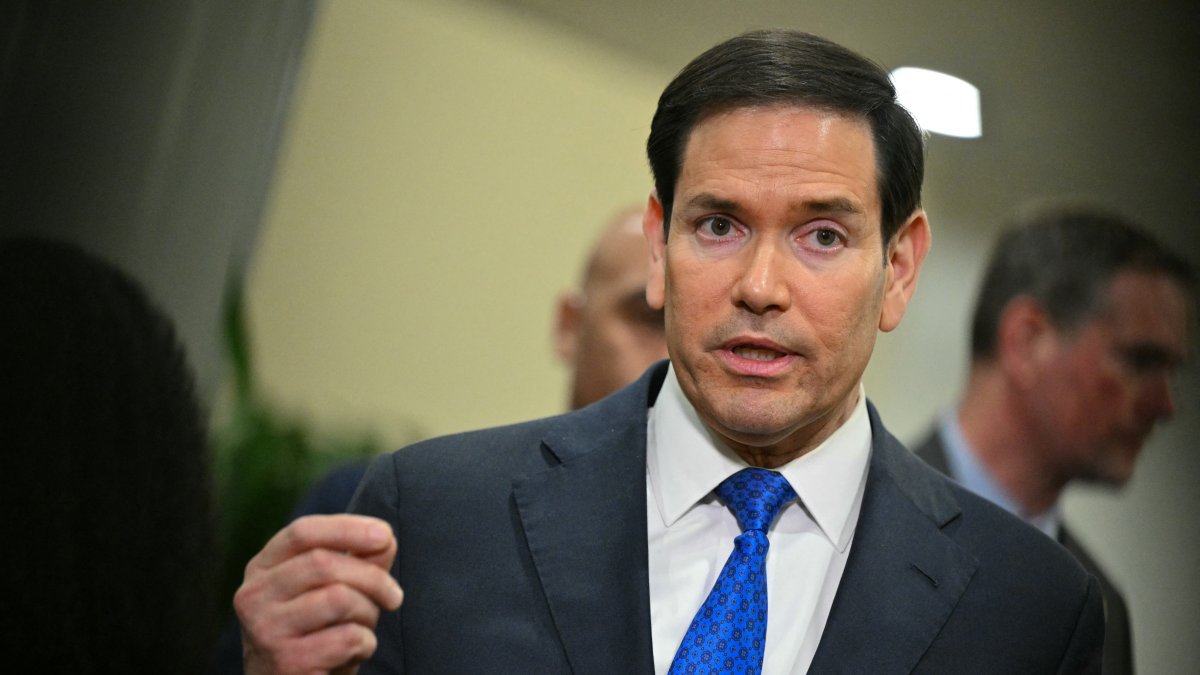
Marco Rubio on Capitol Hill/ Mandel Ngan

Secretary of State, Marco Rubio on Tuesday criticized the World Health Organization (WHO) for its slow response to the recent Ebola outbreak in Africa, which has already been declared an international health emergency.
The head of U.S. diplomacy noted that the WHO reacted "a little late" in identifying the uptick of the Ebola virus in the Democratic Republic of Congo, an area that is difficult to access and affected by armed conflict.
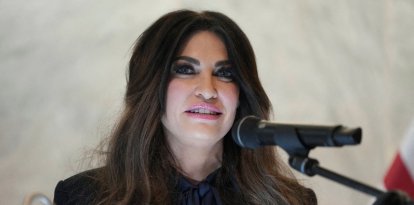
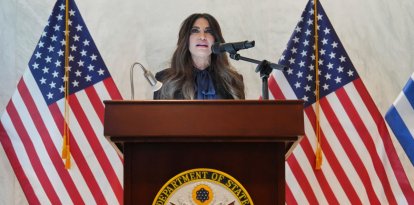
"The lead is obviously going to be [the] CDC (the Centers for Disease Control) and the World Health Organization, which was a little late to identify this thing unfortunately," Rubio said during a press conference.
The WHO declared the outbreak an international health emergency last week and convened an urgent meeting to coordinate a global response. It involves the Bundibugyo strain of Ebola virus, for which there is still no vaccine or approved therapeutic treatment.
U.S. aid despite WHO's withdrawal
Despite President Donald Trump withdrawing the United States from the WHO in his second term, Rubio confirmed that Washington will allocate $13 million in aid to combat the outbreak.
The secretary of state announced that the U.S. plans to open some 50 treatment clinics in the affected area. However, he acknowledged logistical difficulties: "It's a little tough to get to because it's in a rural area... [a] hard-to-get-to place in a war-torn country, unfortunately."
The Department of State (DOS) also issued a travel alert warning U.S. citizens to avoid travel to the affected regions.
Context of the tension between the U.S. and the WHO
Since its inception, Ebola has caused more than 15,000 deaths in Africa over the past 50 years, according to WHO data.
LATEST