Maduro's front man indicted after being extradited again to the US: Alex Saab could face up to 20 years in prison
The accusations center on the diversion of hundreds of millions of dollars from state contracts to import low-quality foodstuffs.
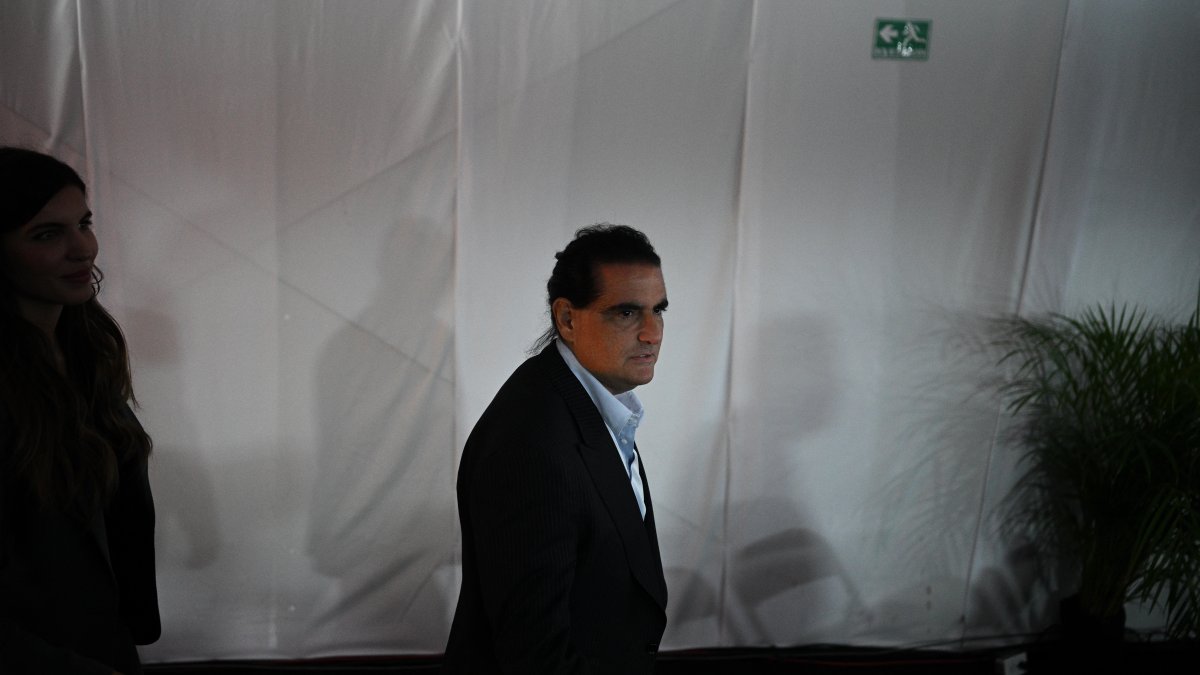
Alex Saab.

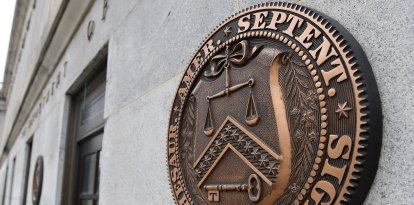
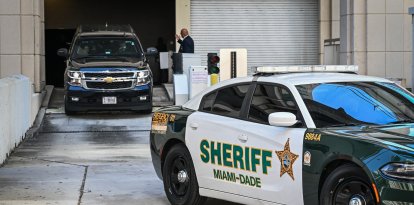
Alex Saab, considered the main financial operator of the deposed Nicolas Maduro, appeared Monday before a federal court in Miami. The court filing came immediately after his surprise deportation to the United States, executed last weekend by the interim regime of Delcy Rodriguez.
U.S. prosecutors formally indicted Saab today on charges of bribery and money laundering, facing up to 20 years in prison.
The allegations center on the diversion of hundreds of millions of dollars from state contracts to import substandard foodstuffs at a time of severe shortages in the South American country.
Multi-million dollar welfare fraud
Saab appeared before the court in shackles and wearing the regulation beige uniform of federal detention centers. When questioned by the judge about knowledge of the criminal charges against him, Saab replied in English, "Yes, ma'am."
The formal indictment consists of five pages and details a pattern of criminal conspiracy focused on money laundering.
The DOJ investigations expose that Saab, along with his regular collaborator Alvaro Pulido, structured a network of shell companies and altered shipping documentation.
Through this scheme, they paid bribes to high-ranking officials to secure inflated contracts within the state food program (CLAP), acquiring supplies in Mexico and Colombia at overpriced prices.
The dossier further details how the criminal organization expanded its operational radius of influence following the implementation of international trade restrictions on Venezuela. Taking advantage of Venezuela's foreign trade difficulties, the group obtained preferential access to multimillion-dollar flows of funds linked to sales of crude oil from the state-owned oil company Petróleos de Venezuela (PDVSA).
Biden's failed diplomacy and the transition in Caracas.
The prosecution of Saab represents a significant reversal from the decisions of the previous Democratic administration.
In 2023, President Joe Biden granted a formal pardon to Saab in in exchange for the release of U.S. prisoners in Caracas, in an attempt to negotiate terms for a presidential election with Maduro. Such a strategy received harsh criticism from Republican sectors and federal security agencies.
Following the capture of Nicolás Maduro in January at the hands of the U.S. military, the Justice Department reactivated the files against the businessman for financial crimes that were not covered by the limited pardon of the Biden era.
His subsequent expulsion from Venezuelan territory was decided by Delcy Rodriguez, as part of an internal purge against businessmen and officials who profited under the shadow of Maduro.
Ideological fractures in the Venezuelan regime
Saab's handover to U.S. authorities unleashed internal tensions among the surviving factions of the Chavista state apparatus. Mario Silva, a former government television presenter, severely criticized the legality of the measure.
Silva argued that the transfer violates constitutional regulations against the extradition of nationals and warned Chavista political cadres by pointing out that "no one is safe at this moment."
"Imperialism does not negotiate; imperialism conquers, searches, and rummages until it bursts you, until it bursts our country," Silva said.
To mitigate the questions, Diosdado Cabello publicly backed the measure, arguing that Saab had falsified his citizenship papers and that his true nationality is Colombian.
This position, held by the entire Rodriguez interim regime, reflects an absolute change in rhetoric compared to the public campaigns that chavismo executed years ago, when it labeled Saab as a Venezuelan diplomat illegally kidnapped by the United States.
U.S. federal prosecutors believe Saab possesses information of high strategic value for the drug trafficking trials facing Maduro in Manhattan courts, recalling that he already cooperated with the Drug Enforcement Administration (DEA) after his first arrest.
World
Carmen Navas, the Venezuelan mother who spent months searching for a son the Chavista regime had already killed in custody, dies
Emmanuel Alejandro Rondón
LATEST