






ANALYSIS
Bessent supports temporary extension of sanctions relief on Russian oil to ease energy prices
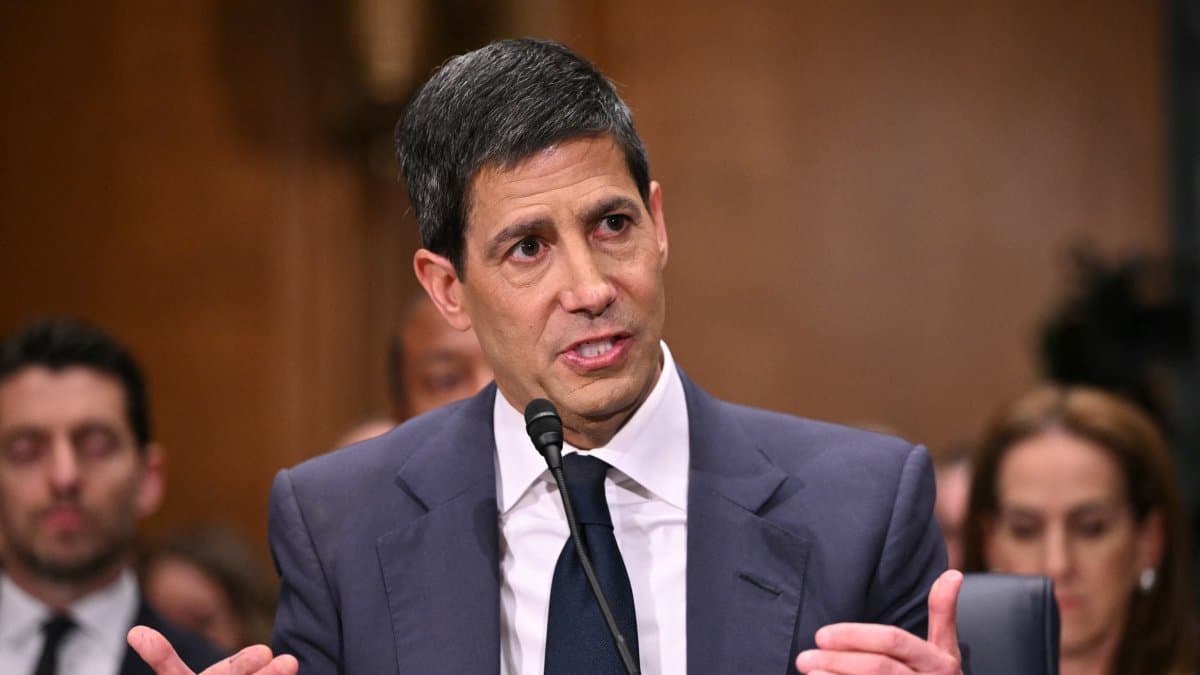
During a hearing in a Senate Appropriations subcommittee, Bessent explained that the turnaround came after receiving direct requests from "more than 10 of the most vulnerable and energy-poor countries."
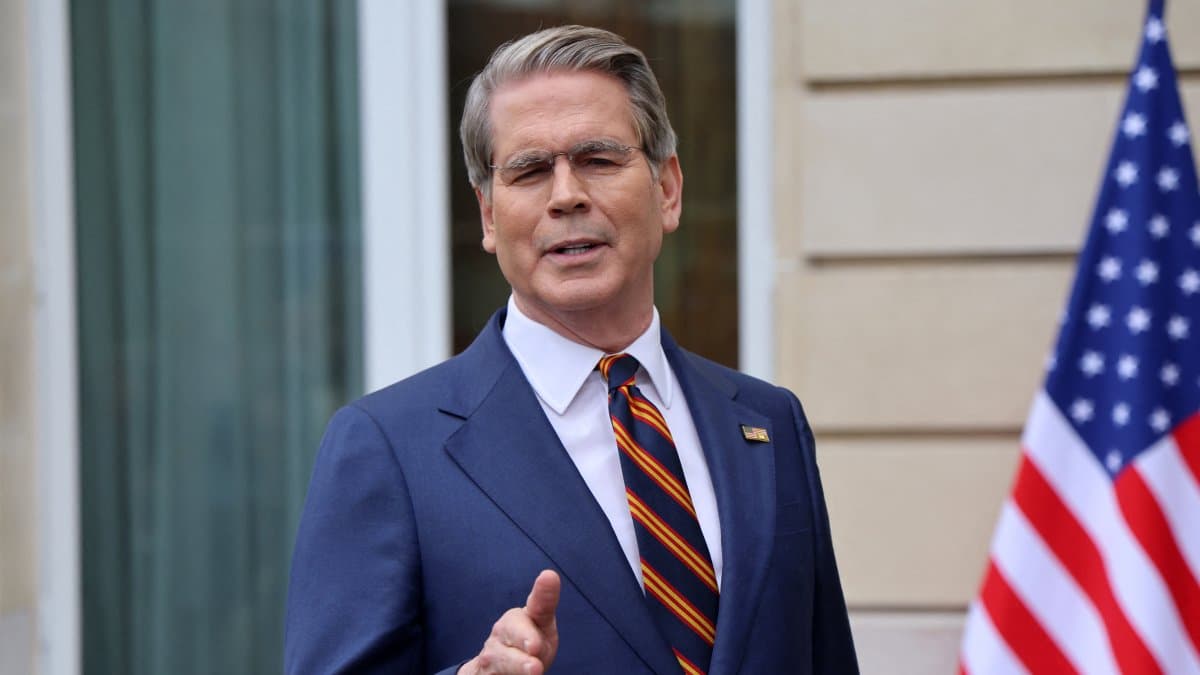

Treasury Secretary Scott Bessent on Wednesday justified the Trump Administration's sudden change of position on sanctions against Russian oil.
Last week, the administration made an unexpected U-turn and announced a 30-day extension of the sanctions waiver allowing the purchase of Russian oil and derivatives already loaded on ships.
The measure, effective until 00:01 on May 16, is aimed primarily at mitigating the sharp spike in global energy prices. However, this decision contrasts with the statements that the secretary himself had made just two days earlier, when he publicly assured that Washington would not renew the exemption.
Between Ukrainian criticism and pressure from poor countries
The decision has generated strong criticism. Ukraine's president, Volodymyr Zelensky, condemned it over the weekend on X, noting that "every dollar paid for Russian oil is money for the war."

During a hearing in a Senate Appropriations subcommittee, Bessent explained that the turnaround came after receiving direct requests from "more than 10 of the most vulnerable and poorest countries in terms of energy." These requests came in the margins of the annual spring meetings of the International Monetary Fund and the World Bank held in Washington.
"They asked us to extend that sanction (relief), and it's only for 30 days," the secretary said.
It's not about enriching Russia or Iran
Bessent dismissed allegations that these kinds of temporary waivers economically benefit Russia or Iran. For him, the fundamental purpose is to reduce energy costs, especially after tensions in the Strait of Hormuz.

Tech & Science
White House called meeting with Anthropic "productive and constructive" amid AI concerns
Andrés Ignacio Henríquez
In addition, he revealed that several U.S. allies in the Persian Gulf and some Asian countries have requested swap lines.
"Swap lines, whether it's from the Federal Reserve or the Treasury, are to maintain order in the dollar-funding markets and to prevent the sale of the U.S. assets in a disorderly way," he explained to lawmakers.
🛠 Do you think there is an error in this article?
Recommendations


LATEST