Pentagon requests historic $1.5 billion budget for 'Golden Dome' and drones
In naval and air capabilities, the Pentagon seeks to consolidate the Golden Fleet initiative.

The Trump administration has submitted a fiscal year 2027 defense budget request totaling $1.5 trillion. This figure represents a 42% increase over the previous year and ranks as the largest annual increase in U.S. military spending since the end of World War II.
The ambitious financial plan introduces a category called "presidential priorities." Under this heading, $750 billion will be earmarked for the development of the Golden Dome missile defense system, combat drones, artificial intelligence and strengthening the national defense industrial base.
Jules 'Jay' Hurst, in charge of the Pentagon's comptroller functions, explained to the media the magnitude of this investment:
"It will be the largest investment in military capabilities in more than a generation. It addresses our national and military advantage through investments in the Golden Dome missile defense system, drone dominance and space superiority, including nearly doubling the Space Force budget and tripling spending on drones and counter-drone capabilities," he said.
World
US intelligence tells lawmakers that Iran still has significant military capability
Emmanuel Alejandro Rondón
Investment in autonomous technology and the "Gold Fleet"
One of the highlights of the proposal is $54.6 billion in funding for the Defense Autonomous Warfare Group (DAWG). This department, which last year received just $226 million, will become the mainstay of next-generation weapons research and development.
In naval and air capabilities, the Pentagon seeks to consolidate the Golden Fleet initiative. The budget calls for $65 billion to build 18 warships and 16 support ships for the Navy.
This is an ambitious naval reconstruction plan that calls for the addition of large warships, including new large battleships ("Trump" class) and autonomous ships, seeking to ensure naval supremacy with hypersonic and nuclear missile technology.
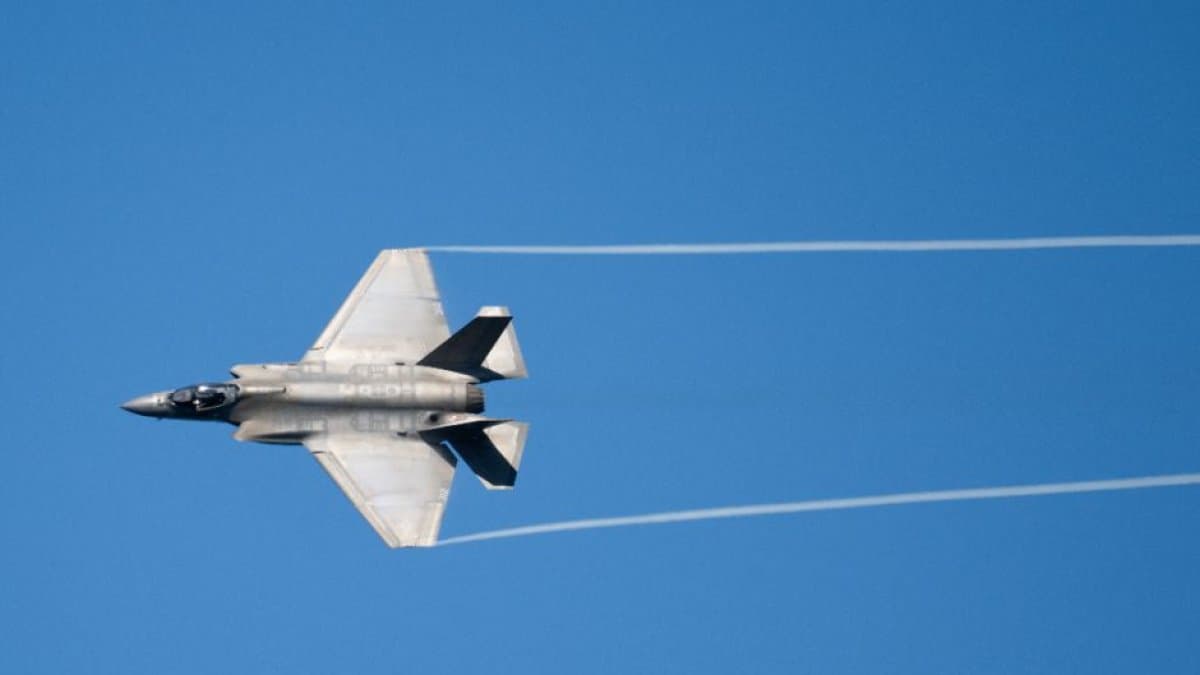
Also, $102 billion is set aside for aircraft procurement, to acquire 85 F-35 fighters annually and advance development of the B-21 bomber and the new F-47 fighter. Hurst said multiyear munitions contracts are planned to be expanded to "provide stability and incentivize long-term investment throughout the supply chain."
Troop support and border security
Beyond weaponry, the budget places a direct emphasis on the welfare of service members and homeland security. The administration proposes a staggered pay raise: 7% for lower-ranking soldiers, 6% for their superiors and 5% for senior commanders.
In addition, the Pentagon plans to increase the military force by 44,000 new troops. According to Hurst, this will "provide the manpower needed to employ new capabilities, and will improve readiness and quality of life by ensuring that units are adequately staffed for the missions we give them."
In sync with White House immigration enforcement policies, $2.3 billion has been allocated to sustain operations and troop deployments at the southern border.
It should be noted that this $1.5 billion request does not include the operational costs of the ongoing war in Iran, as it was made before the conflict began.
President Trump is expected to request an additional $80 billion to $100 billion in supplemental funding from Congress to cover operations in the Middle East once the damage and strategic posture following the current ceasefire are assessed.
🛠 Do you think there is an error in this article?
Recommendations



LATEST