Fine Arts Commission approves $400 million ballroom at White House
On March 5, it will also be evaluated by the National Capital Planning Commission, the entity charged with overseeing relevant developments in Washington.

The White House

The U.S. Commission of Fine Arts approved on Thursday the estimated $400 million project to build a new ballroom in the White House. Although the session was initially scheduled to address design aspects only, the body's chairman, Rodney Mims Cook Jr. asked to put the proposal to a final vote later that day.
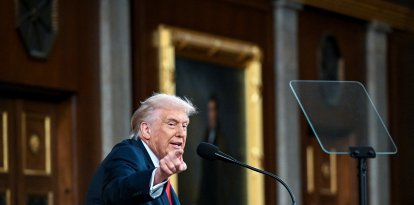
The result was favorable: six of the seven commissioners backed the plan pushed by President Donald Trump, while one abstained. Commissioner James McCrery did not participate due to a conflict of interest, as he was the architect of the project. Following the decision, Trump reported on Truth Social that the approval came by a six-to-zero vote, with one recusal, and publicly thanked the commission members. "Great accolades were paid to the building’s beauty and scale. Thank you to the members of the Commission!" he expressed.
Details of the new ballroom
According to information presented to the panel, the initiative seeks to provide the White House with a permanent facility for holding large-scale events. Previous administrations had expressed difficulties in hosting state dinners and official events in temporary structures.
According to data provided by the White House, the former East Wing dining room held approximately 200 people, limiting the scope of formal receptions. The new proposal would more than triple that capacity and nearly double the square footage of the main White House structure.
At a public hearing earlier this month, Cook said the project is relevant to both the president and the nation, stressing the importance of having adequate space to host international leaders.

Politics
Trump lashes out against new lawsuit seeking to block White House ballroom construction
Luis Francisco Orozco
Financing
The estimated cost of the work amounts to $400 million. The initiative has received criticism from Democratic lawmakers; however, Trump has assured that the financing will be private.
The National Trust for Historic Preservation filed a federal lawsuit seeking to halt construction. Despite this, the Fine Arts Commission's approval is a key step in the regulatory process.
Pending review in March
LATEST