Department of the Interior proposes to repeal Biden-era public lands regulations and establish balanced, multiple-use management
The Trump administration's proposal argues that it limits the multiple use of lands, affecting energy production, minerals, timber, grazing and recreation in western regions.
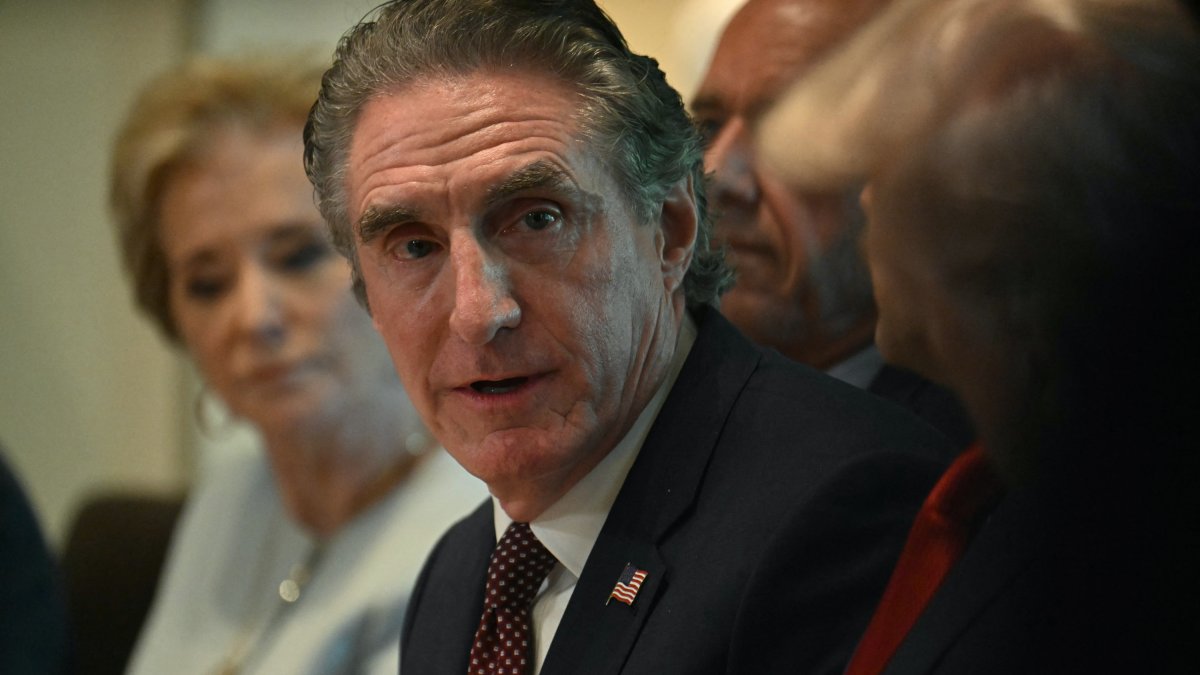
Doug Burgum at a cabinet meeting (File)/ Jim Watson.

Donald Trump's administration proposed on Wednesday repealing a rule implemented during the Biden era that sought to prioritize the conservation of federal public lands, rather than opening them up to activities such as mining, oil drilling, or grazing.
The measure, finalized last April by the Bureau of Land Management (BLM), put conservation on equal footing with industrial development for the first time since the agency's creation in 1946, protecting millions of acres from threats such as climate change and extractive development.
The Trump administration proposal argues that it limits multiple land uses, affecting energy production, minerals, timber, grazing, and recreation in western regions.
"The previous administration's Public Lands Rule had the potential to block access to hundreds of thousands of acres of multiple-use land — preventing energy and mineral production, timber management, grazing and recreation across the West," Interior Secretary Doug Burgum said via a release.

Criticism of the proposal
“This rule provided for healthy habitats and now it’s foolishly being yanked away in service of the ‘Drill, baby, drill’ agenda,” Vera Smith, national forests and public lands director at Defenders of Wildlife, said in a written statement.
About federal lands
LATEST