Cornered by rebellious judges and Republicans, Trump plans to reverse $1.8 billion fund to compensate victims of 'political persecution'
The fund grew out of an out-of-court settlement between the Justice Department and Trump's personal attorneys to resolve the $10 billion lawsuit the president had filed against the IRS over the leak of his tax returns.
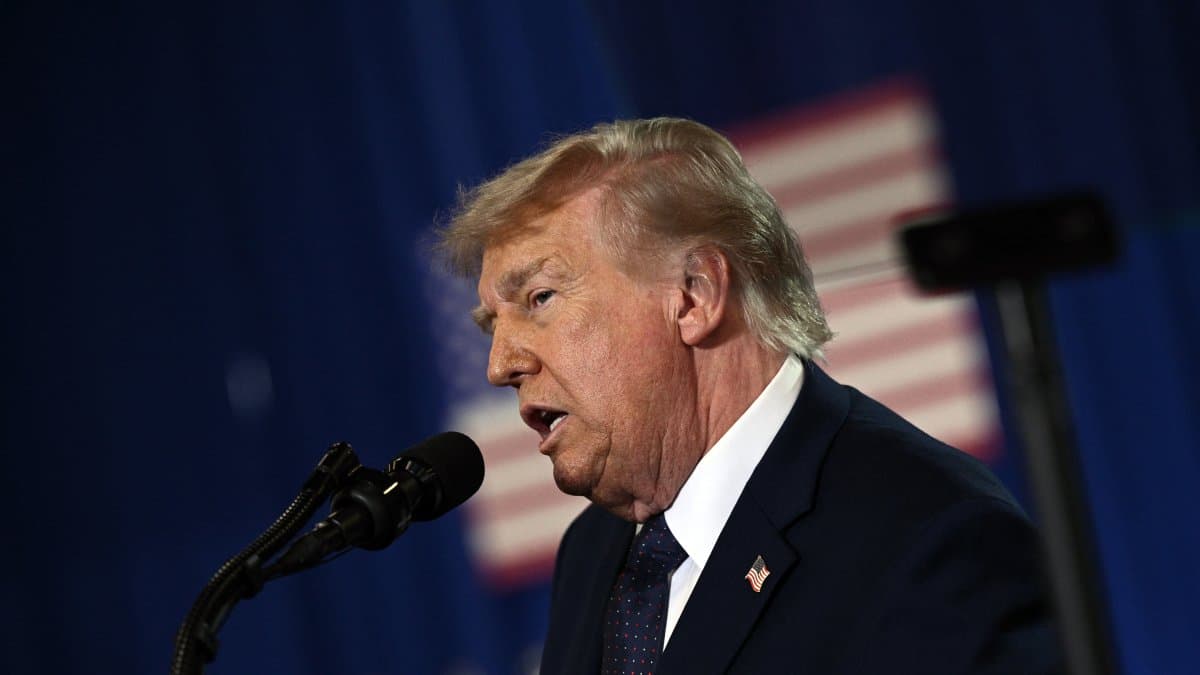

President Donald Trump plans to backtrack and abandon his proposal to create a $1.8 billion fund aimed at compensating people who allege they were victims of political persecution by the Federal government, according to sources close to the president cited by The New York Times and NBC News.
The withdrawal comes after a week of judicial setbacks and an unusual rebellion within the Republican Party itself in the Senate.
The Department of Justice formalized the signal Monday by announcing it would abide by a federal judge's temporary order staying the fund until at least June 12, when a hearing is scheduled. Although the department said it "strongly disagrees" with the ruling, it did not indicate whether it intends to continue fighting it in court. Privately, according to reports, several administration officials acknowledged feeling relief at the disposition, since, for many, the court ruling represented a way out of a tangle that Trump's own team had created.
The Department of Justice disagrees strongly with the decision on the Anti-Weaponization Fund put forth by the United States District Court Judge in the Eastern District of Virginia, wherein the Court stated that, under no circumstances, may the Department of Justice proceed with…
A complicated proposal to implement
The fund, dubbed the Fund Against the Instrumentalization of the Federal Government, was born out of an out-of-court settlement between the Justice Department and Trump's personal lawyers to resolve the $10 billion lawsuit the president had filed against the Internal Revenue Service (IRS) over the leak of his tax returns. Instead of going to trial, both sides agreed to create this pool of resources to compensate those who alleged they had been wrongfully prosecuted under the Biden Administration. The deal also gave the president, his family and his businesses broad protections from IRS investigations.
The proposal generated immediate backlash, even within the Republican Party. The harshest critics called the idea petty cash to reward the president's political allies with public money, and the controversy reached the point that it blocked progress on a reconciliation bill Republicans are trying to pass to fund ICE and the Border Patrol.
The Republican rebellion
According to Senator Ted Cruz, of Texas—who said he personally backed the fund—about half of the Republican caucus in the Senate was willing to vote with Democrats to stop it. The breaking point was exposed during a private May 21 meeting between Republican senators and acting Attorney General Todd Blanche, which quickly turned tense.
"My guess is they’re probably 45 senators in the room, at least half of them were blasting the attorney general, and they were pissed," Cruz recounted on his Verdict podcast. Senate Majority Leader John Thune, who admitted he had not been consulted before the announcement, noted Monday that the best way out was for the administration itself to close the fund.

Politics
Democratic states' response to Trump's 'anti-weaponization' fund: Tax their payouts at 100% so there isn't a penny left
Emmanuel Alejandro Rondón
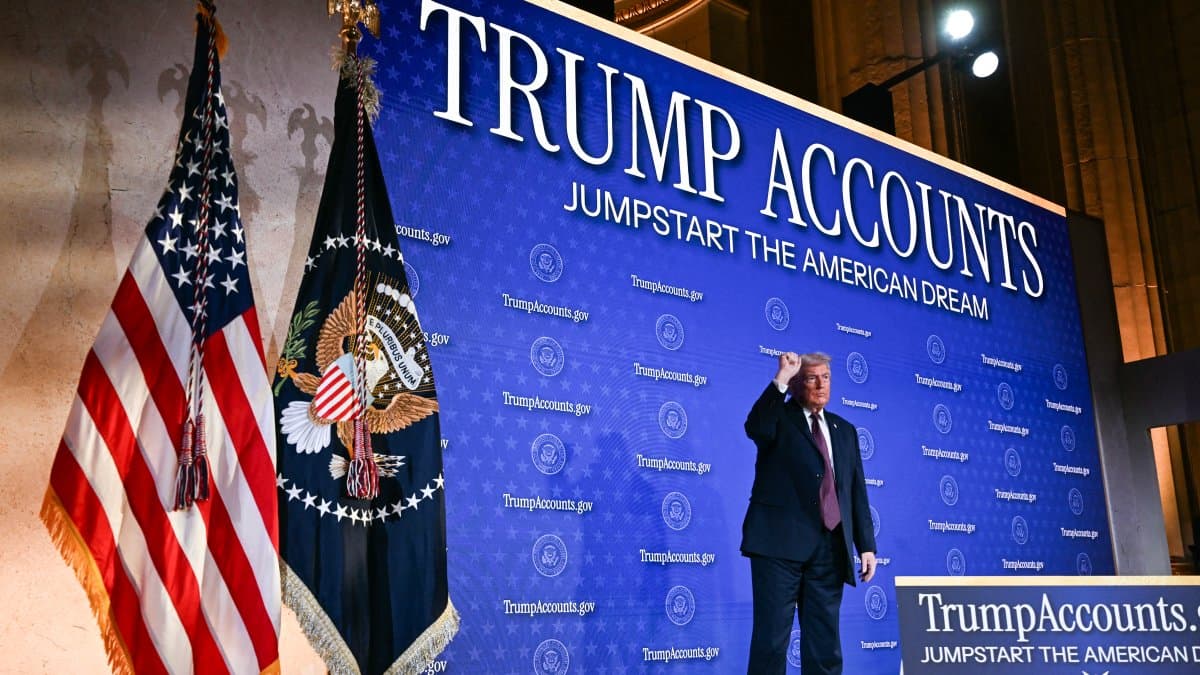
The judicial blows
Last Friday, the fund suffered two setbacks in court almost simultaneously. Judge Leonie M. Brinkema, in Alexandria, Virginia, suspended it in its entirety following a lawsuit filed by a former federal prosecutor fired by the Trump Administration after participating in prosecutions against the perpetrators of the Jan. 6, 2021, Capitol assault. The former prosecutor argued that the fund had been designed to exclusively benefit supporters of the president, excluding him from any compensation.
That same day, Judge Kathleen M. Williams, in Miami, reopened the original lawsuit against the IRS to investigate whether the settlement that brought the fund to life was "premised on deception" and whether Trump colluded with his own government to close the case and evade judicial scrutiny. The decision came after a bipartisan group of 35 former federal judges filed briefs with the court urging it to examine the terms of the settlement.
Democrats continue to press on
Despite the administration's apparent retreat, Democrats in the Congress announced they will keep up the pressure to ban the fund by law and prevent it from being resurrected in the future.
"If Republicans return to reconciliation, we will be ready with amendments to shut the fund down. If they try to bury the issue, we will force them to the Senate floor. If they try to sneak behind appropriations, we will fight them there too," Senate Minority Leader Chuck Schumer warned. The New York lawmaker anticipated that, if the reconciliation bill returns to the Senate floor, the first amendment he will introduce will be to permanently veto the fund.
Skye Perryman, president of Democracy Forward, the group that spearheaded the lawsuit in Virginia, also remained cautious: "Until the administration fully abandons the scheme, it’s beyond dispute that it will not recur, and our clients’ harm is remedied, we will be in court challenging it."
For the time being, if Trump does indeed scrap the fund, his allies would still have other avenues to claim compensation: individual lawsuits or administrative claims that the government could settle on a case-by-case basis, as already happened in March, when the Justice Department agreed to pay $1.25 million to Michael Flynn, the former national security adviser, to settle allegations of prosecution.
🛠 Do you think there is an error in this article?
Recommendations



LATEST