ANALYSIS
Pentagon prepares historic shift: Prioritizes national security and hemispheric defense over the fight against China
This represents a striking departure from the approach taken by previous administrations, including both Democratic and Republican administrations, as well as Donald Trump's first presidency.
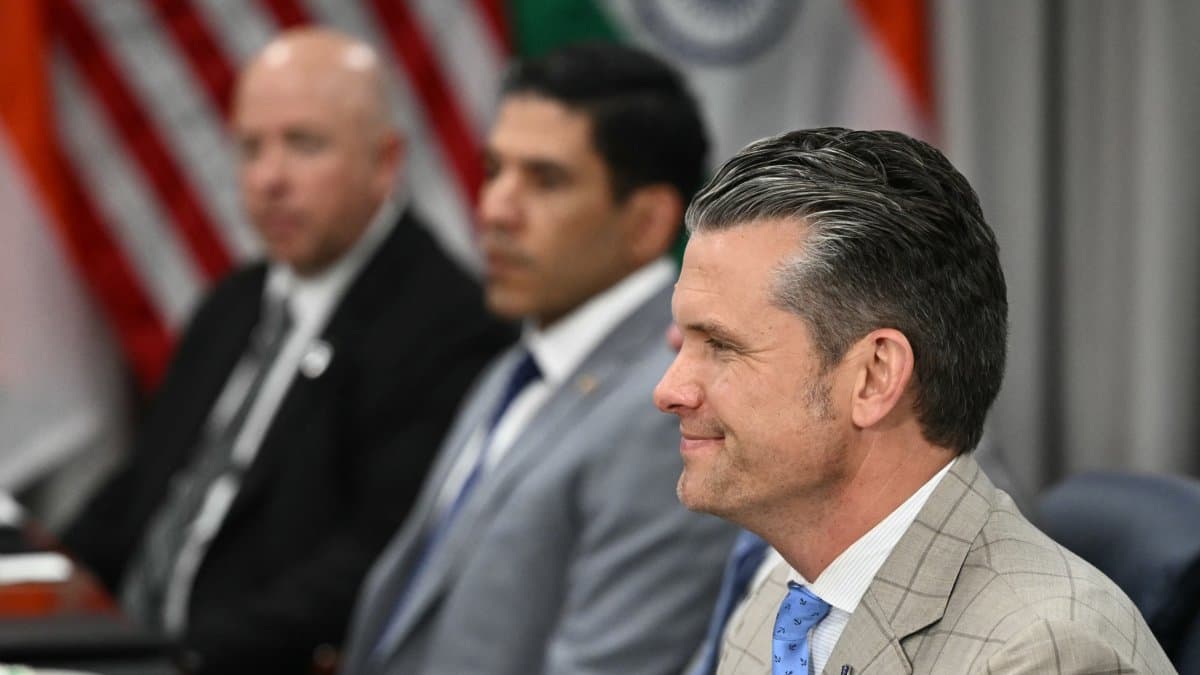

The U.S. Department of Defense evaluates a sweeping change to its National Defense Strategy. According to preliminary versions of the draft that has already reached the office of Defense Secretary Pete Hegseth, the Pentagon seeks to place homeland and Western Hemisphere security as a priority, shifting containment of powers such as China and Russia to the background.
This is a striking shift from the line taken by previous administrations, both Democratic and Republican, including Donald Trump's first presidency, when Beijing was openly singled out as Washington's main strategic competitor. This rethinking could generate friction with lawmakers and security advisers from both parties who view the Chinese rise as the most serious threat to global stability and U.S. interests.
A change already in the works
Although the document can still be modified before its official release, several of the measures contemplated are already being implemented. The Pentagon has deployed thousands of National Guard troops to cities such as Washington and Los Angeles to reinforce public order, has militarized the southern border with Mexico by granting troops powers to detain civilians, and has increased naval and air presence in the Caribbean to combat drug trafficking.
In parallel, a U.S. operation in international waters reportedly resulted in the death of 11 members of the Venezuelan criminal gang Tren de Aragua, a sign of the new approach of employing military assets directly against transnational criminal organizations.

Repercussions for allies
The shift could also impact the relationship with allies. As confirmed by a Pentagon official and a European diplomat, the Baltic Security Initiative, which allocated hundreds of millions of dollars to Latvia, Lithuania and Estonia, will lose funding this year.
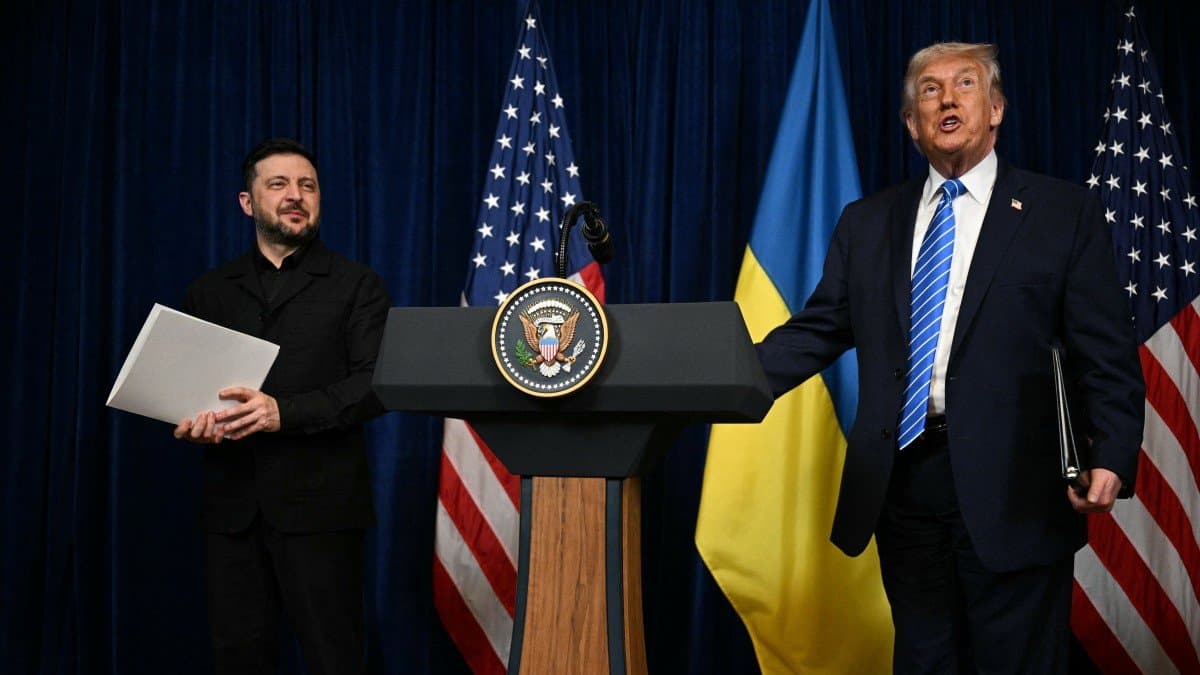
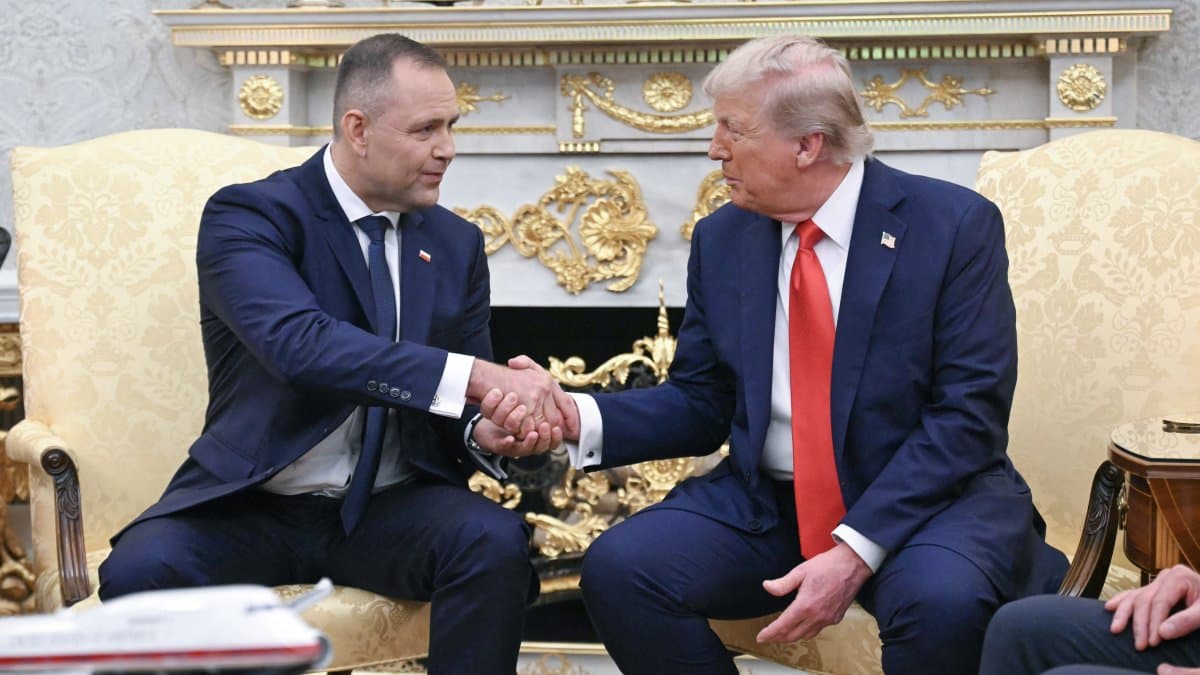
European partners fear that the global posture review - another of the documents in preparation - will result in the partial withdrawal of the nearly 80,000 troops that the United States maintains on the continent. Trump assured this week, after meeting at the White House with the president of Poland, that he will not reduce forces in that country, although he left open the possibility of cuts in other areas.
Voices backing the shift to the hemisphere
Miller argued that the cartels are responsible for more American deaths than many of the enemies faced in distant theaters, and that their presence has left a trail of violence throughout the hemisphere. "Every major city in America is suffering from cartel violence," he warned.
🛠 Do you think there is an error in this article?
Recommendations



LATEST