FBI uses polygraphs to assess loyalty to Trump Administration and prevent information leaks
The tests seek to detect possible betrayal or lack of trustworthiness in handling classified information.

A polygraph test (File)

According to a New York Times report, the FBI has implemented lie detector tests to determine the loyalty of its officials to the agency's director, Kash Patel, appointed by President Donald Trump.
According to the media outlet, the FBI has questioned senior officials during polygraph tests, specifically asking them if they have made negative comments about Patel.
In one particular case, the tests were used to investigate who reported to the media that Patel had requested a service weapon, despite not being a field agent.
While it has not been specified how many officers were questioned about their loyalty to the head of the institution, it is estimated that dozens have been subjected to these tests.
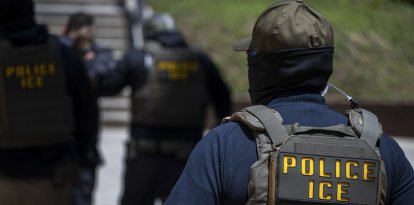
The FBI confirmed to Reuters in April that it began employing polygraphs to identify sources of leaks within the agency. At the time, a spokesman for the public affairs office stated, "we can confirm the FBI has begun administering polygraph tests to identify the source of information leaks within the bureau.”
For his part, James Davidson, a former FBI agent with 23 years of experience, expressed to the New York Times his concern about the use of polygraphs to assess loyalty: "An FBI employee’s loyalty is to the Constitution, not to the director or deputy director. It says everything about Patel’s weak constitution that this is even on his radar.”
However, some former polygraph examiners suggested that the questions about Patel might be "control questions," designed to elicit physiological responses and not necessarily to assess veracity.
Leaks in the Trump Administration
The Secretary of Defense, Pete Hegseth, warned that former Pentagon advisers could face legal proceedings for disclosing information. In June, Hegseth criticized Pentagon officials after reports questioning the success of strikes on Iranian nuclear facilities, calling the assessment "low confidence" and that the FBI was investigating that leak.
Politics
Pentagon claims bombing of Iran delayed ability to develop a nuclear weapon by "almost two years"
Agustina Blanco
Likewise, Tulsi Gabbard, director of National Intelligence, pledged in March to pursue those responsible for leaks, calling them "criminals" and expressing her willingness to work with the Department of Justice (DOJ) and the FBI to investigate and prosecute them.

The use of polygraphs
The tests seek to detect possible treachery or unreliability in the handling of classified information.
LATEST