Nvidia relaunches AI chip sales in China after months of US restrictions and trade tensions
The company's CEO, Jensen Huang, noted that it already has authorizations to sell to multiple customers in China and has even begun receiving purchase orders.
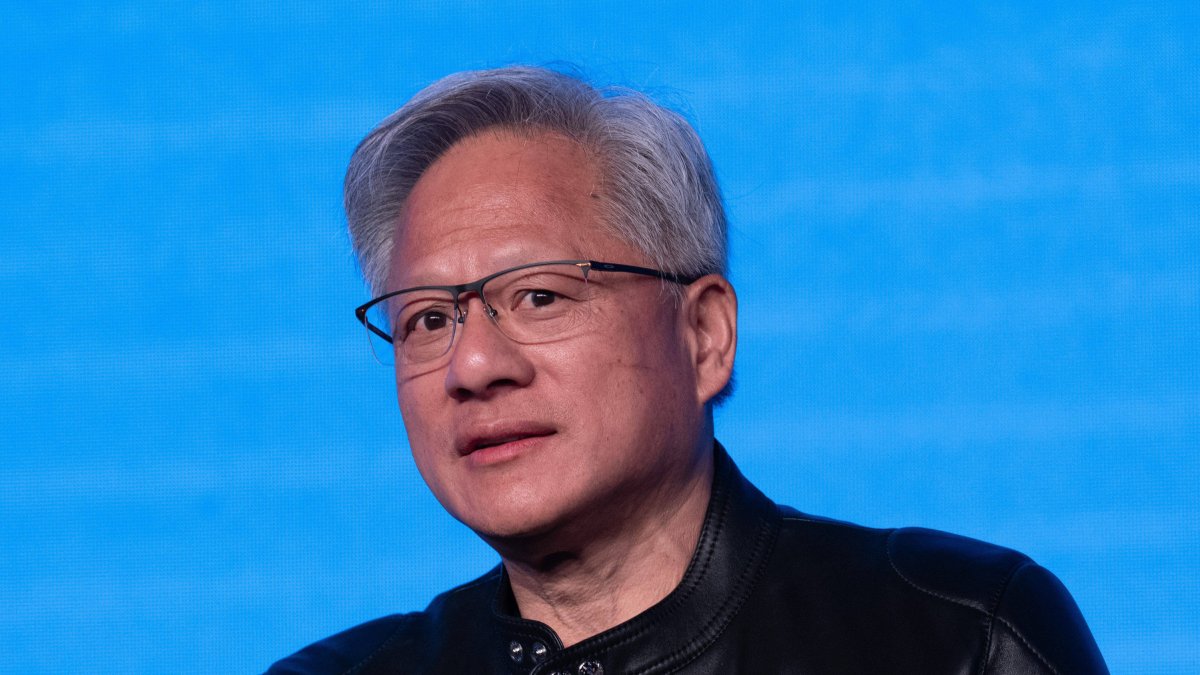
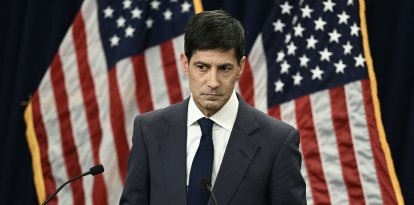
Jensen Huang, Nvidia's CEO

Technology company Nvidia, a major player in the computing and artificial intelligence industry, announced it has restarted production of its H200 processors to resume sales in China, a strategic market for the AI industry. The decision reflects a possible shift in the company's business strategy after months of restrictions, uncertainty, and tensions between the United States and the Asian giant.
Nvidia's CEO, Jensen Huang, noted that the company already has authorizations to sell to multiple customers in China and has even begun receiving purchase orders. As he explained, the supply chain is becoming active again to meet demand that has shown signs of strengthening in recent weeks.
The context in which this movement is taking place is complex. During 2025, the U.S. government imposed limits on the export of advanced artificial intelligence chips to China, forcing Nvidia to adapt its strategy. In the process, the company developed specific models for that market, such as the H20, although this product faced both regulatory and commercial difficulties and its production was finally suspended.

Society
The 'architects of AI', Person of the Year 2025 according to 'Time' magazine
Carlos Dominguez
U.S. authorities authorized the sale of the H200 processor in China, under certain conditions, including the obligation to share a portion of the revenue. Although this chip is not Nvidia's most advanced, it remains relevant for training artificial intelligence systems.
On the Chinese side, there were also mixed signals. At first, the authorities discouraged the purchase of some foreign products, but after recent steps, the picture seems to have improved, allowing Nvidia's operations in that market to be reactivated.
Despite these developments, the company has yet to generate significant revenue from H200 sales in China. However, the potential remains high, as China's artificial intelligence chip market could reach tens of billions of dollars a year.
In parallel, Nvidia announced measures aimed at its investors, such as using part of its cash flow for share buybacks. However, these developments failed to boost its share price, which closed the day down slightly.
LATEST