Jack Ciattarelli and Mikie Sherrill win New Jersey gubernatorial primaries
The two will face off on Nov. 4 to determine who will succeed Phil Murphy, the incumbent who cannot seek a third term.
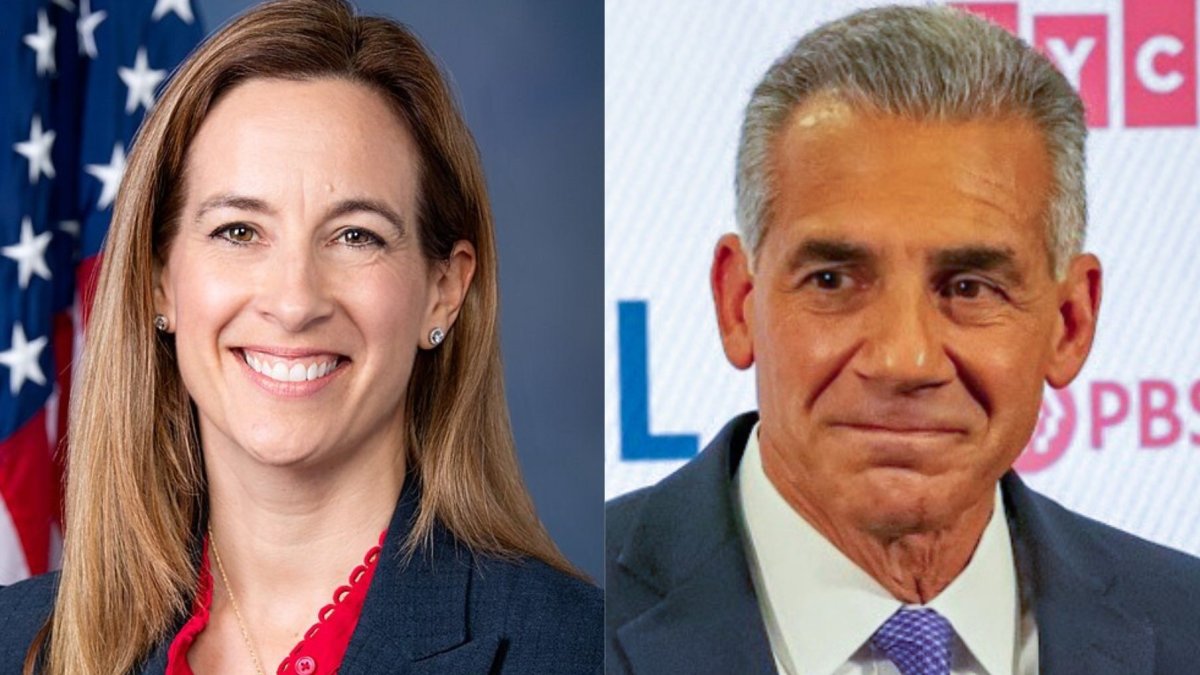
Sherrill and Ciattarelli to face each other on Nov. 4

Republican Jack Ciattarelli and Democrat Mikie Sherrill prevailed in the gubernatorial primary in New Jersey. The two will face off on Nov. 4 to determine who will succeed Phil Murphy, the incumbent who is ineligible for a third term as governor of the Garden State.
Along with Virginia, New Jersey's governorship is the other big electoral prize in 2025, so both parties will be betting big to take the win and build momentum heading into the midterm elections.
Ciattarelli was the heavy favorite to get the nomination, mainly due to his extensive name knowledge and endorsement from President Donald Trump. The former local assemblyman was also the nominee in 2021, when he surprised by coming in just 3.4 points behind Murphy. On that occasion, he won in four counties that had voted for Joe Biden and Senator Cory Booker in 2020: Atlantic, Cumberland, Gloucester, and Morris.
With 70% of the votes counted, the Republican got 67% of the vote, far ahead of his opponents. Bill Spadea was left with 22%, while the rest were split between Jon Bramnick, Mario Kranjac, and Justin Barbera.
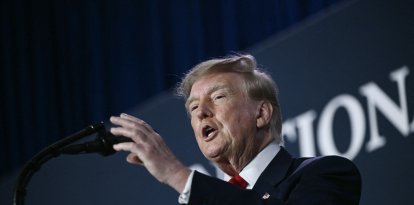
"To our most well-known part-time resident who honored me with his endorsement and strong support: Thank you, President Donald J. Trump," Ciattarelli said in his victory speech.
"We won because our campaign is about people, not politics. It’s about vision, not division. New Jersey so desperately needs change," he added, remarking that every vote for Sherrill "is a vote for four more years of Phil Murphy."
On the Democratic side, the election looked more competitive. In addition to Congresswoman Sherrill, other strong candidates included her colleague Josh Gottheimer and Mayors Steve Fulop and Ras Baraka.
In the end, Sherrill won by a much larger margin than the polls anticipated. With 70% of the votes counted, he garnered 34% of the vote among six candidates. Trailing behind were Baraka (18%), Steve Fulop (16%), Gottheimer (11%), Sean Spiller (10%), and Steve Sweeney (7%).
"THANK YOU, NEW JERSEY! I’m thrilled to officially be your Democratic nominee for governor, and I am ready for the challenge. Let’s do this," he posted on his X account.
Governor Murphy released a statement in which he congratulated the candidates and pledged to work with the winner to ensure an orderly transition.
"Over the next few months, as the general election ramps up, I know we will see a spirited campaign for Governor and all 80 Assembly seats. And I look forward to working with the winner of this November's election to ensure the smoothest possible transition for the next Governor. For the next seven months, our Administration is going to spend every minute we have left running through the tape to continue building the stronger, fairer, and more affordable New Jersey that the people of our state deserve," he wrote.
New Jersey's Electoral Traditions
The last time New Jersey elected the same party to more than two consecutive terms was in 1965. According to this statistic, and given that Murphy is a Democrat, the next governor should be a Republican
However, New Jersey also has a habit of not having governors from the same party as the incumbent president. In fact, this happened only twice since 1989, and the last was Murphy's re-election victory in 2021.
LATEST