Poor sleep also harms the gut: The hidden danger of insomnia to the microbiota
Frequent abdominal inflammation, indigestion, changes in bowel movements, or persistent fatigue may be signs that your sleep and gut health need attention.

We've all felt that, after a bad night's sleep, our bodies don't function the same way; it's hard to concentrate, our appetite increases and even our digestion seems to suffer.
Today, science confirms that there's an explanation for this feeling: lack of rest disrupts the gut microbiota, the ecosystem of trillions of bacteria that helps regulate digestion, the immune system and metabolism.
Research presented at the annual meeting of the American Association for Cancer Research (AACR) revealed that chronic sleep deprivation alters the composition and function of the microbiota. These bacteria lose some of their protective capacity, promoting inflammatory processes that can affect various systems in the body.
Researchers observed that insufficient sleep disrupts the circadian rhythm of the microbiota and reduces its ability to protect the intestinal barrier. This can result in abdominal inflammation, gas, indigestion, constipation, diarrhea, or increased sensitivity to certain foods.
In addition, the microbiota maintains constant communication with the immune system. When this balance is disrupted, a phenomenon known as dysbiosis, low-grade inflammation increases, and the body may be less able to respond to infections and diseases.
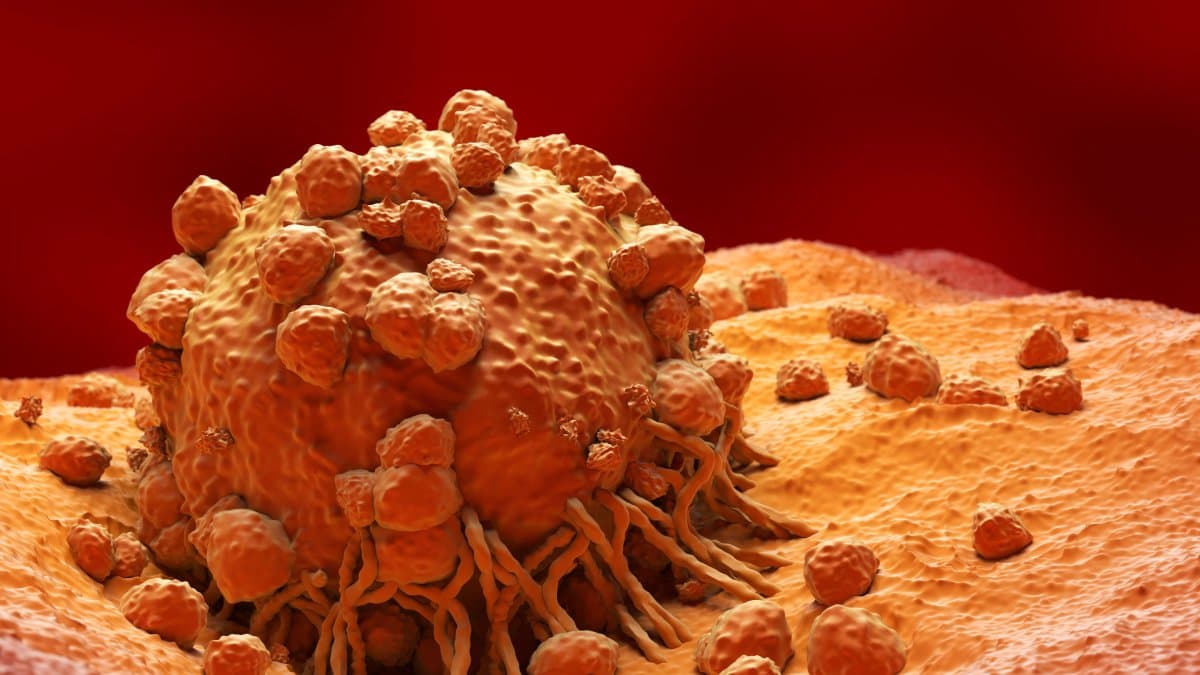
The study also found that, in experimental models, alterations in the microbiota promoted the progression of colorectal cancer and reduced the effectiveness of chemotherapy. This does not mean that poor sleep causes cancer, but rather that insufficient rest can create a less favorable biological environment when a disease is already present.
So, how can you tell if your gut is also paying the price?
Frequent abdominal inflammation, sluggish digestion, changes in bowel movements, or persistent fatigue may be signs that your sleep and gut health need attention.
When we think about taking care of our gut microbiota, we tend to focus on probiotics or increasing our fiber intake. However, getting good sleep is also key. Maintaining regular bedtimes and wake-up times, reducing screen time before bed, getting exposure to natural light in the morning and following a diet rich in fruits, vegetables, legumes and whole grains all benefit both the brain and the gut.
For years, we believed that gut health depended solely on what we ate. Today we know that rest is also part of the solution. Sleeping well not only allows the brain to recover; it also helps maintain the balance of the bacteria that protect our digestion, metabolism and immune system.
🛠 Do you think there is an error in this article?
Recommendations








LATEST