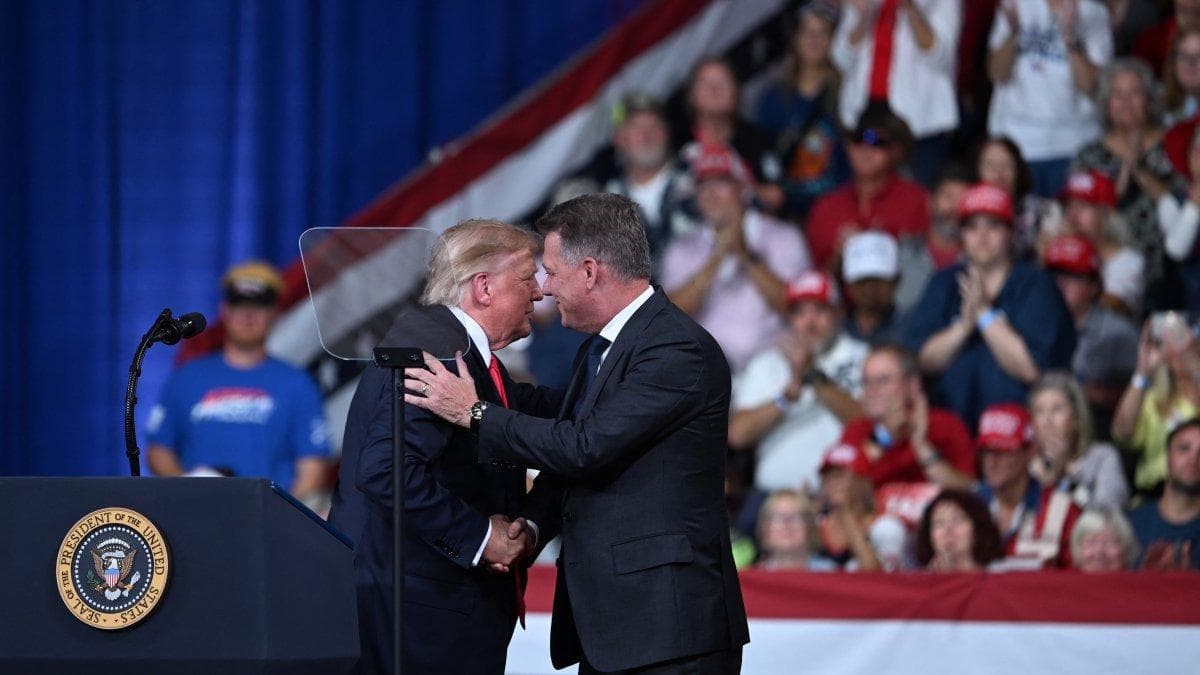







House intel chief heads to 9/11 hallowed site to implore vigilance against drone, AI attacks
"The danger is believing that the work is finished because it's far from finished," Rep, Rick Crawford, R-Ark., tells 'Just the News'. "...we can't allow for a failure of imagination on our part. We need to exploit every weakness, gap, vulnerability that we can find for our own good before our adversaries do it for us."
Most of the House intelligence Committee's work happens behind closed doors in secure rooms designed to protect the nation's secrets in Washington, D.C.
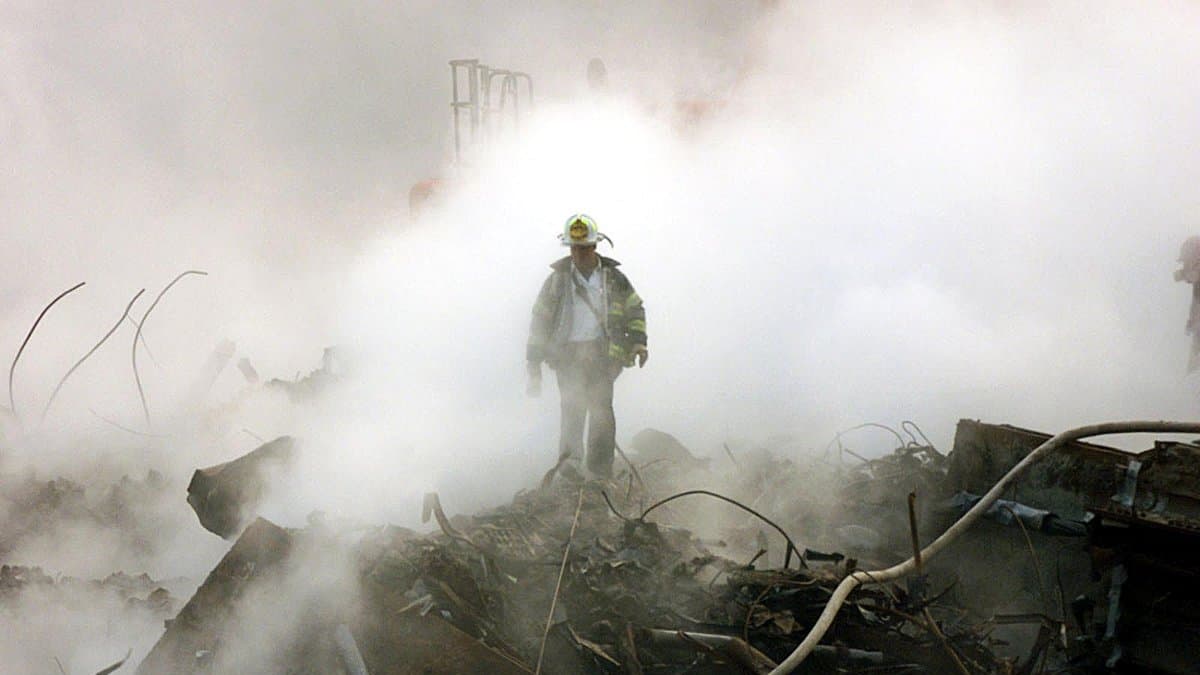
But Chairman Rick Crawford is taking the panel on a rare field trip in hopes of using the 25th anniversary of the Sept. 11, 2001, attacks to force Americans to think hard about how to stop the next major terror strike.
Crawford, R-Ark., told the Just the News, No Noise television show he is concerned the nation hasn't done enough to prevent future attacks driven by artificial intelligence, drone swarms, bioweapons or cyber hackers.
"The danger is believing that the work is finished"
"What we need to be thinking about is the look forward," he said in a wide-ranging interview Friday night. "And this 25-year mark gives us the opportunity to recognize the solemnity of that day, but also the importance of what we've done in the intervening 25 years and what we need to do going forward."
Crawford plans to release a roadmap Monday on securing America from future threats during a field hearing in Shanksville, Pa., at the site where Flight 93 crashed to the ground 25 years ago when its passengers bravely commandeered the plane from terrorists so it could not crash into another building in the nation's capital.
"I think by and large the post-9/11 reforms worked, but the danger is believing that the work is finished because it's far from finished," he said. "And we have to constantly challenge ourselves because what we know is our adversaries don't organize themselves around our bureaucracies; they organize themselves around our vulnerabilities.
"We need to exploit every weakness, gap, vulnerability that we can find"
"So we have to find those vulnerabilities ourselves first before they do," he also said. "There was a constant theme in the 9/11 Commission report: a failure of imagination. So we can't allow for a failure of imagination on our part. We need to exploit every weakness, gap, vulnerability that we can find for our own good before our adversaries do it for us."
Crawford pointedly warned about specific emerging threats that could be commandeered by a nation state sponsor of terrorism or an asymmetric terror group like ISIS or al-Qaeda, specifically citing "the evolution of the battle space."
Drones, IA...
"We've seen that take place in Ukraine, you know most notably drone swarms. But AI is the enabling technology that's allowed them to be able to control multiple drones," he said. "It's not an overstatement to say they're swarms. They are absolutely swarms, and their ability to be employed in a tactical environment for various functions."
Crawford also warned about drones and AI being used for economic terrorism to disrupt industries like airlines.
"We are hearing about the deployment of drones in commercial airspace in Europe, large numbers of drones that are being designed to just sort of disrupt travel, agitate and be a sort of economic disrupter," he warned.
"So these drones can be deployed for various functions, and sometimes they can carry different payloads. They can target very effectively, and they're in many cases AI enabled," he continued. "And so what we're seeing is an on-the-fly adaptation by adversaries to be able to employ all manner of technology in ways that we didn't even think existed, and it didn't 25 years ago."
What does another 9/11 look like?
Crawford said it is essential that Americans in general and government agencies in specific spend time imagining how terrorists might envision attacking us and countering the threat before it unfolds.
"What does another 9/11 look like? Is it a large scale kinetic strike like we saw on the World Trade Towers and the Pentagon and Flight 93? Or is it a large-scale cyber penetration that attacks vulnerable critical infrastructure? Is it going to be going after the tech sector? Is it going to be some move to disable the defense industrial base? We don't know.
"But what we do know is we have to be diligent in rooting out these threats ourselves, before our enemies and our adversaries exploit them," he said
Criticism of UNRWA
Crawford also reacted to a report in Just the News that the USAID inspector general has now identified more than 100 United Nations (UN) relief workers who participated in the Oct, 7, 2023, terror attack on Israel. They wormed for the UN World Relief Agency.
"I think the president was absolutely right to say we're not going to support that (UNWRA). ... They're a problem. They have been anti-Israel. They've been supporting Hamas. They have been actively engaged, and I think it was the right decision to make to sever that relationship with that particular arm of the UN," he said.

Just the News
USAID report finds more than 100 UNRWA employees participated in Hamas atrocities on Oct. 7
Misty Severi
"I think it really kind of, you know, brings more questions to bear about the value of the relationship with the UN in general for the amount of money that the United States invests in the UN and the accommodations that we provide diplomats from around the world, and the benefit that we receive for that investment," he said.
Disappointed with the ruling on the mastermind behind 9/11
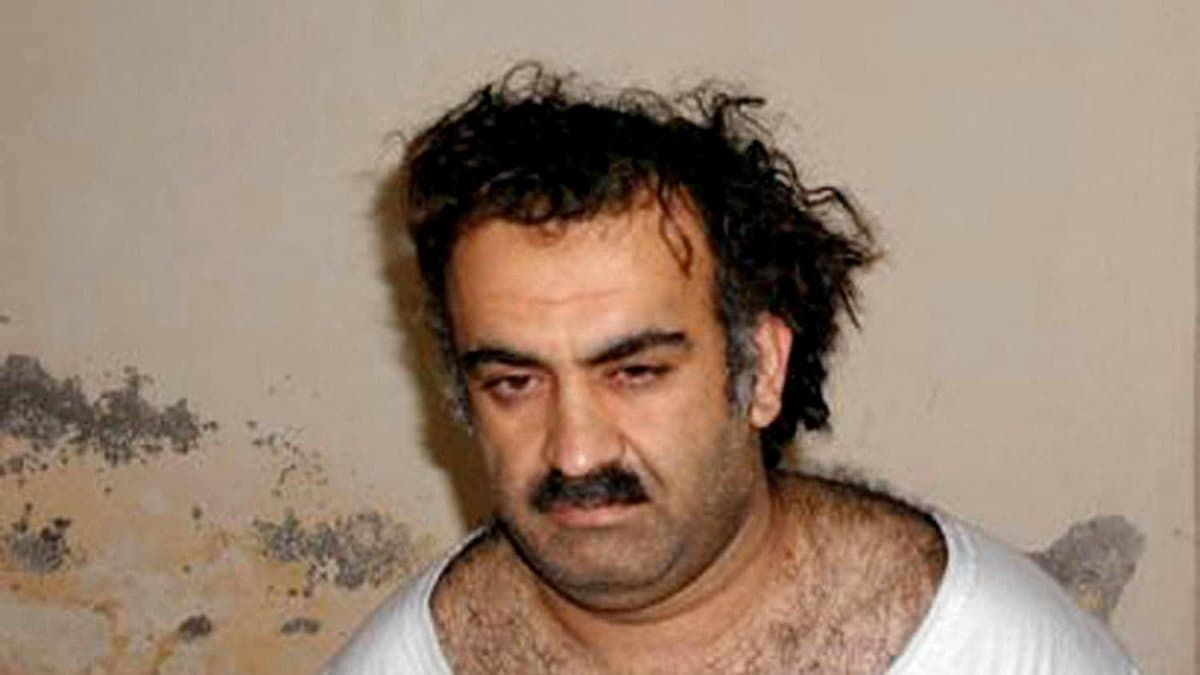
Crawford also said he was disappointed that the military judge presiding over the 2028 planned trial for 9-11 alleged mastermind Khalid Sheikh Mohammaed has ruled his confession to the FBI was coerced and will be inadmissible at the trial.
"I think most of the world knows that he was the ringleader. So we'll just see what happens in court," he said.
Society
Confession from 9/11 mastermind Khalid Sheikh Mohammed thrown out: Ruling further delays trial 25 years after attacks
Emmanuel Alejandro Rondón
© Just The News
🛠 Do you think there is an error in this article?
Recommendations



LATEST