FDA approves a daily pill for metastatic pancreatic cancer: Here's what we know
Between 90% and 95% of the approximately 67,000 new cases of pancreatic cancer diagnosed each year in the United States are pancreatic adenocarcinomas, according to the National Cancer Institute, as cited by the FDA.
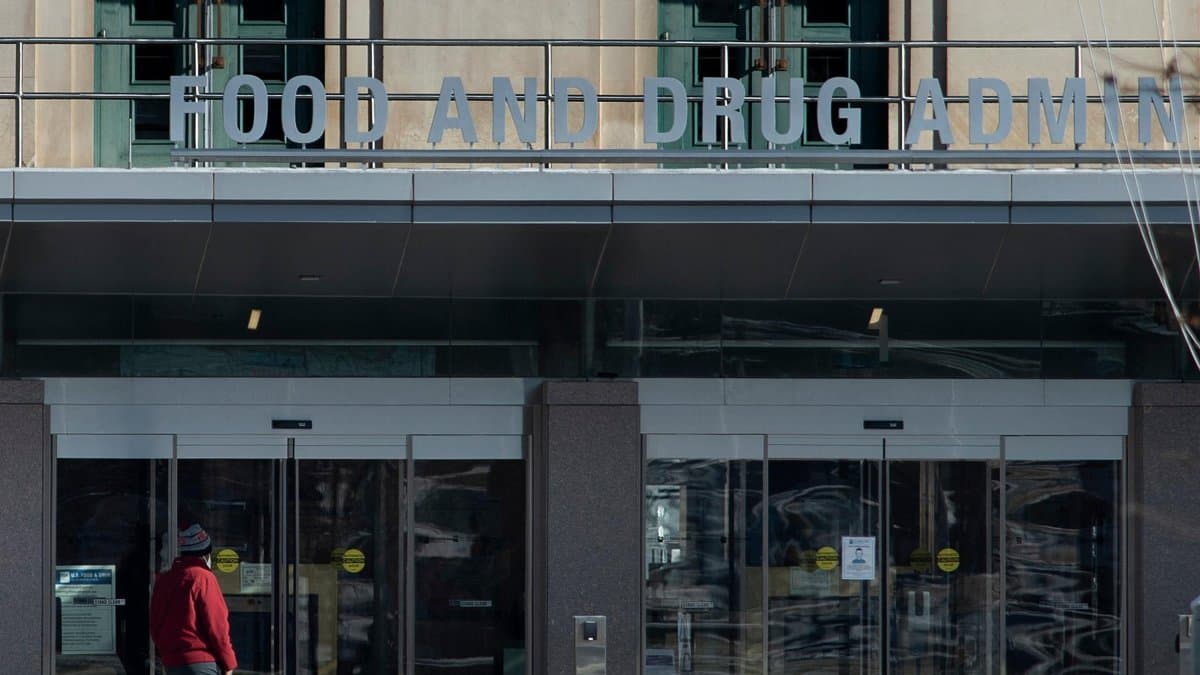

The Food and Drug Administration (FDA) approved Rasonque (daraxonrasib), a RAS inhibitor intended for the treatment of metastatic pancreatic adenocarcinoma, the most common form of pancreatic cancer.
The approval, announced by the FDA on Wednesday, offers a new treatment option for adults with metastatic pancreatic cancer who have received at least one prior systemic treatment or who are not candidates for multi-drug systemic therapy.
Rasonque is a once-daily tablet that targets different forms of a protein called RAS, a key factor in tumor growth in most patients with pancreatic adenocarcinoma. This type of cancer originates in the cells lining the pancreatic ducts.
"Today's approval offers a crucial new option for patients facing an extraordinarily difficult and traditionally hard-to-treat cancer. It is our fundamental duty to provide more cures and effective treatments to patients as soon as possible," said FDA Acting Commissioner Kyle Diamantas, J.D.
The FDA noted that the approval comes 6.5 months ahead of the user fee deadline, as part of the agency's efforts to accelerate the evaluation of new treatments for serious and life-threatening diseases.
Improved Survival Outcomes
The decision was based on a randomized, open-label, multicenter clinical trial involving 500 adults with previously treated metastatic pancreatic adenocarcinoma.
According to the FDA, patients treated with Rasonque achieved a median overall survival of 13.2 months, compared to 6.7 months among those who received standard chemotherapy.
A disease with high mortality
Between 90% and 95% of the approximately 67,000 new cases of pancreatic cancer diagnosed each year in the United States are pancreatic adenocarcinomas, according to the National Cancer Institute, as cited by the FDA.
Although it accounts for about 3.2% of all cancer diagnoses, this type of cancer accounts for a disproportionately high proportion of cancer deaths. The FDA attributes this situation to its typically late detection, aggressive progression, and historically limited treatment options.
Side effects
The FDA granted approval of Rasonque to Revolution Medicines, Inc.
🛠 Do you think there is an error in this article?
Recommendations







LATEST