Dengue: Climate and human mobility are driving the disease's spread to new regions
More than 1.5 million cases and 500 deaths were reported worldwide during the first seven months of 2026. Experts are calling for increased surveillance and the elimination of mosquito breeding sites.
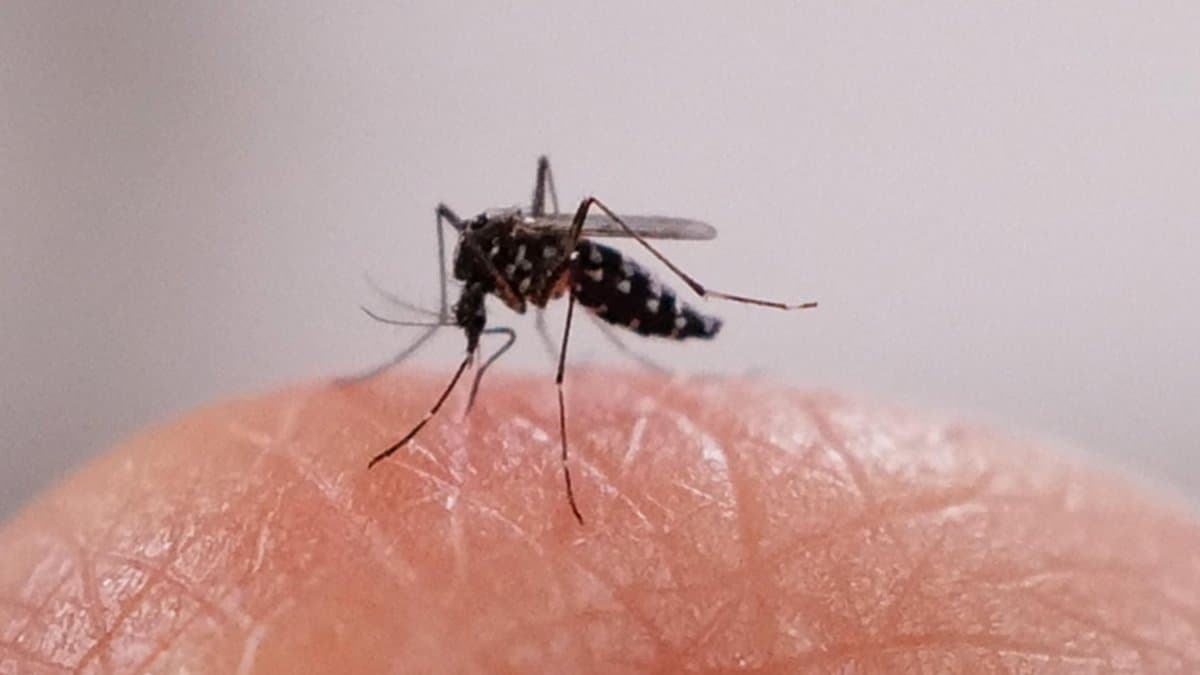

Dengue is no longer a disease confined exclusively to tropical areas. Rising temperatures, rapid urbanization and international mobility are facilitating its spread to regions where transmission was previously nonexistent or sporadic.
According to the European Centre for Disease Prevention and Control (ECDC), between January and July 2026, more than 1.5 million cases and more than 500 deaths related to the disease were reported worldwide. Although this figure represents a decrease compared to the same period in 2025, the geographic spread continues to concern health authorities.
Why is dengue spreading?
The World Health Organization identifies several factors behind the phenomenon: climate change, urbanization without proper planning, inadequate access to water and sanitation, population displacement and the growth of international travel.
Higher temperatures and changes in rainfall patterns extend the mosquito activity season and allow species such as Aedes aegypti and Aedes albopictus to survive in new latitudes. In continental Europe, France confirmed a locally acquired case of dengue fever in 2026, according to latest ECDC update.
Nearly 4 billion people, almost half the world's population, currently live in areas at risk for dengue, according to the U.S. Centers for Disease Control and Prevention.

Health
Poor sleep also harms the gut: The hidden danger of insomnia to the microbiota
Dra. Amny Acosta Then
Key strategies for reducing risk
The CDC recommends using registered repellents, wearing clothing that covers the arms and legs, installing mosquito nets and checking containers that can accumulate water weekly. Buckets, flowerpots, tires, watering troughs and storage tanks should be emptied, cleaned, or kept covered.
The WHO also emphasizes strengthening epidemiological surveillance, early diagnosis, vector control and community participation. The spread of dengue shows that its prevention can no longer be limited to countries where it has historically been endemic.
🛠 Do you think there is an error in this article?
Recommendations







LATEST