Moderna and Merck achieve historic breakthrough with their skin cancer vaccine
The experimental treatment, combined with Keytruda, significantly improved the time without recurrence or metastasis in patients whose skin cancer had been surgically removed. The companies are now preparing the necessary paperwork to seek approval.
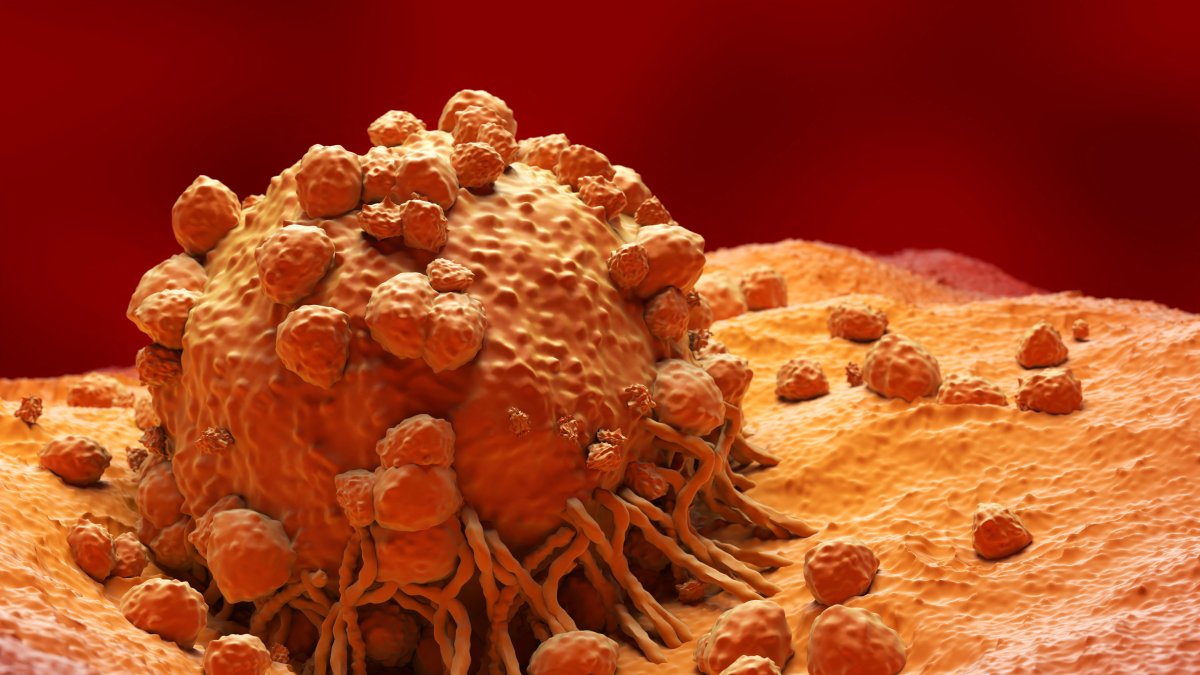
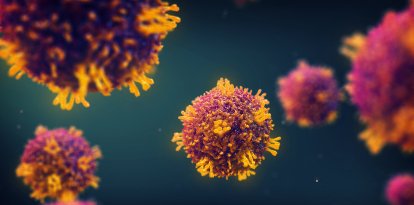
Microscopic image of a melanoma

Moderna and Merck announced on Wednesday positive results from a Phase 3 clinical trial of intismeran autogene, an experimental personalized messenger RNA-based therapy for skin cancer, intended for patients with high-risk melanoma.
The INTerpath-001, conducted with 1,137 patients with stage IIB to IV cutaneous melanoma that had been completely removed by surgery, compared the combination of intismeran autogene with Keytruda (pembrolizumab) to treatment with Keytruda alone.
According to the official press release from Merck and Moderna cited by AFP, the combination achieved a statistically significant and clinically relevant improvement in relapse-free survival—the trial's primary endpoint—compared to Keytruda administered alone.
It also met one of its key secondary endpoints: improving distant metastasis-free survival, that is, delaying or preventing the cancer from reappearing in other organs of the body.
The companies have not yet disclosed the specific risk reduction percentages achieved in this Phase 3 trial. The full results will be presented soon at an international medical conference.

Health
Skin cancer remains the most common type of cancer: What experts recommend for this summer
Diane Hernández
Treatment tailored to each patient
Intismeran autogene—formerly known as mRNA-4157 or V940—is an experimental therapy that is individually tailored using the genetic characteristics of each patient's tumor.
After analyzing the mutations present in the cancer, the treatment uses messenger RNA to teach the immune system to identify specific proteins or neoantigens unique to the tumor cells and trigger a response against them. It can encode up to 34 tumor-specific neoantigens for each patient.
The therapy is administered in combination with Keytruda, an immunotherapy developed by Merck that blocks the PD-1 protein and helps the immune system fight cancer cells.
According to both companies, the results represent the first Phase 3 trial with positive outcomes for an mRNA-based cancer therapy and an individualized therapy targeting neoantigens.
"This is the first Phase 3 study to show that intismeran, a treatment designed based on the unique mutational ‘fingerprint' of a patient's own tumor, given in combination with pembrolizumab can reduce the risk of recurrence or death," said Georgina Long, the study's principal investigator and medical director of the Melanoma Institute Australia.
Previous results already pointed to a reduction in relapses
The new data confirm the results previously obtained in the Phase 2b KEYNOTE-942 trial.
After five years of follow-up, Moderna and Merck reported that the combination of autogene intismeran and Keytruda had reduced the risk of relapse or death by 49% compared to Keytruda alone. It also showed a 59% reduction in the risk of distant metastasis or death.
In the new Phase 3 study, no new safety signals beyond those previously observed have been identified to date. Research will continue to determine, among other factors, whether the treatment also achieves a significant improvement in patients' overall survival.
Major breakthrough for mRNA technology
The result represents a major breakthrough for the use of messenger RNA technology beyond infectious diseases and brings a personalized cancer vaccine of this type closer to potential regulatory approval for the first time.
LATEST