Bitcoin surpasses $80,000, driven by the relative weakness of the dollar and US regulatory support
During the Asian trading session, the cryptocurrency reached highs of around $81,200, though it later moderated its gains: the market's leading cryptocurrency rose 1.12% around 5:35 a.m. and stood at $79,812.50.


The cryptocurrency with the largest market capitalization once again surpassed the $80,000 mark on Tuesday, a level it had not reached since May. The rise came amid a weak dollar and improved legislative prospects in the U.S., while investors barely reacted to new trade threats from Washington against Iran's allies.
Bitcoin's surge
During the Asian trading session, the cryptocurrency reached highs of around $81,200, though it later moderated its gains: the market's leading cryptocurrency rose 1.12% around 5:35 a.m. and stood at $79,812.50.
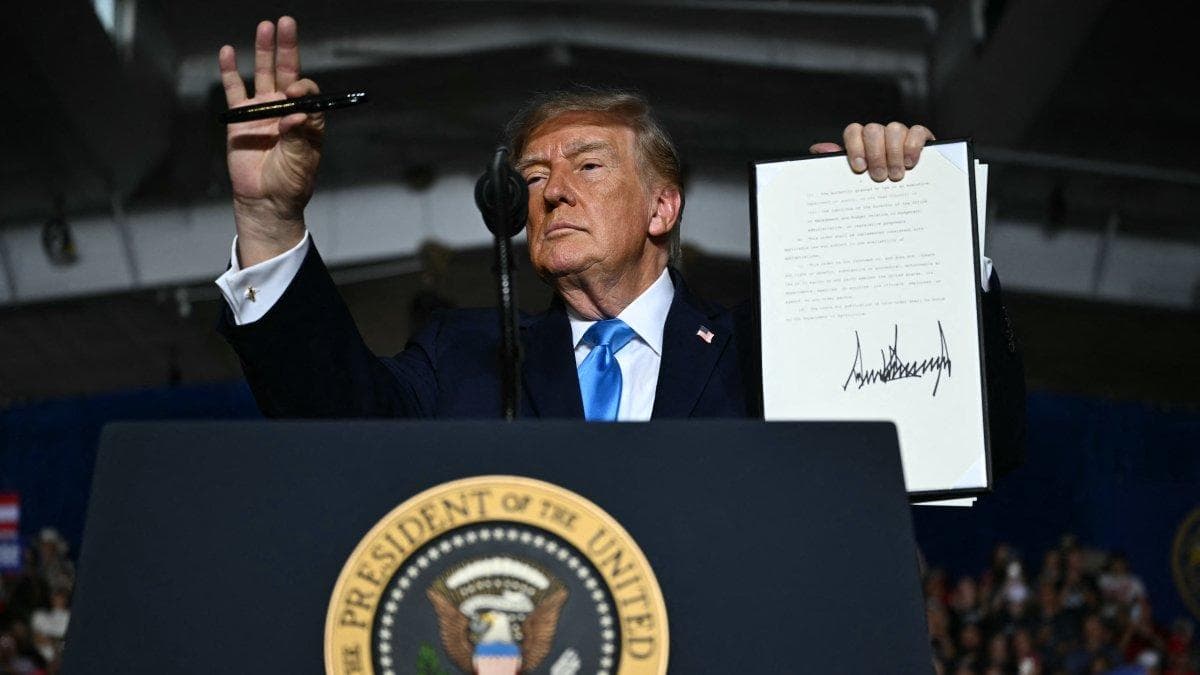
Since Wednesday, it has recovered nearly a quarter of its value, driven by President Donald Trump's support for the CLARITY Act, the bill aimed at regulating digital currencies in the U.S.
The dollar under pressure
The decline in U.S. bond yields, following the Treasury's announcement on Wednesday of an expanded debt-purchase program, is putting pressure on the U.S. currency.
Chris Beauchamp of IG notes that the repercussions of this intervention "reignite fears of further dollar depreciation," although the dollar retains its position as the dominant currency.
Concerns about federal debt are benefiting alternative assets such as cryptocurrencies and gold, although the precious metal retreated slightly on Tuesday.
What is the CLARITY Act?
According to the official summary from Congress, the bill requires exchanges, brokers and dealers of digital commodities to register with the CFTC, establishes requirements for customer protection and anti-money laundering, and allows certain exemptions from SEC registration for offerings on mature blockchains. Passed by the House of Representatives in July 2025 with broad bipartisan support, as of August 2026 it remains pending in the Senate.
🛠 Do you think there is an error in this article?
Recommendations






LATEST