ANALYSIS
Gasoline hits new high as fuel exports set new record
Fuel prices reached their highest level of the year, driven by the war in Iran and the blockade of the Strait of Hormuz. Despite the domestic crisis, the country is recording a historic outflow of crude oil to make up for the global shortage.
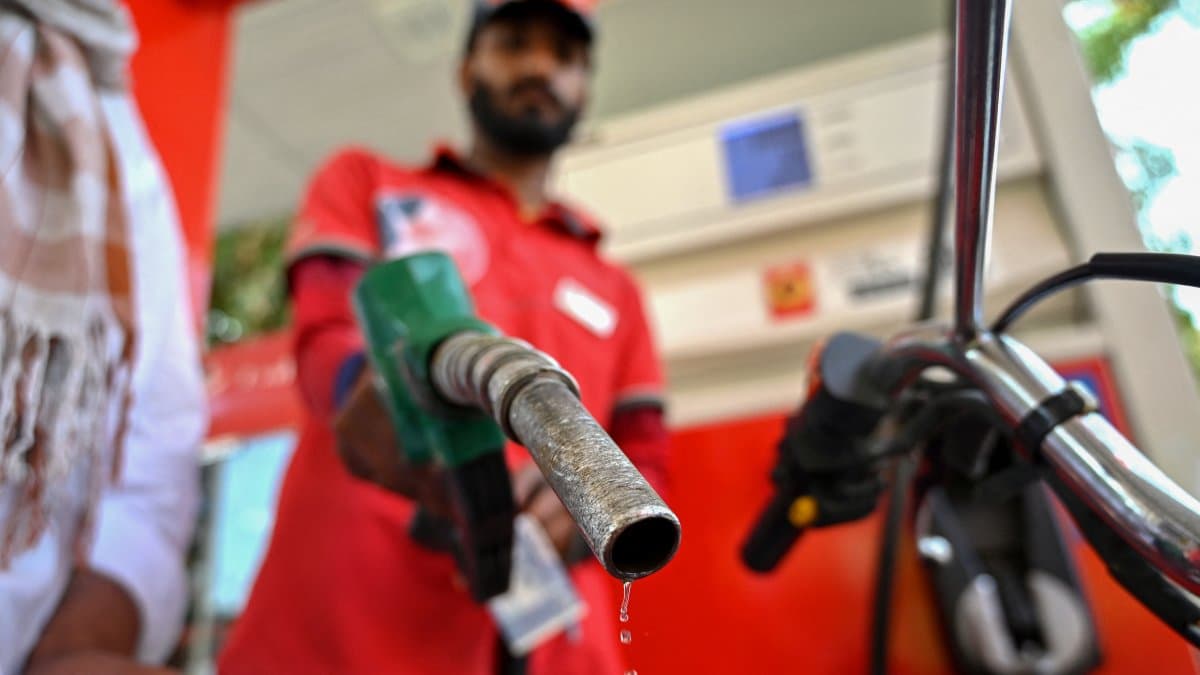

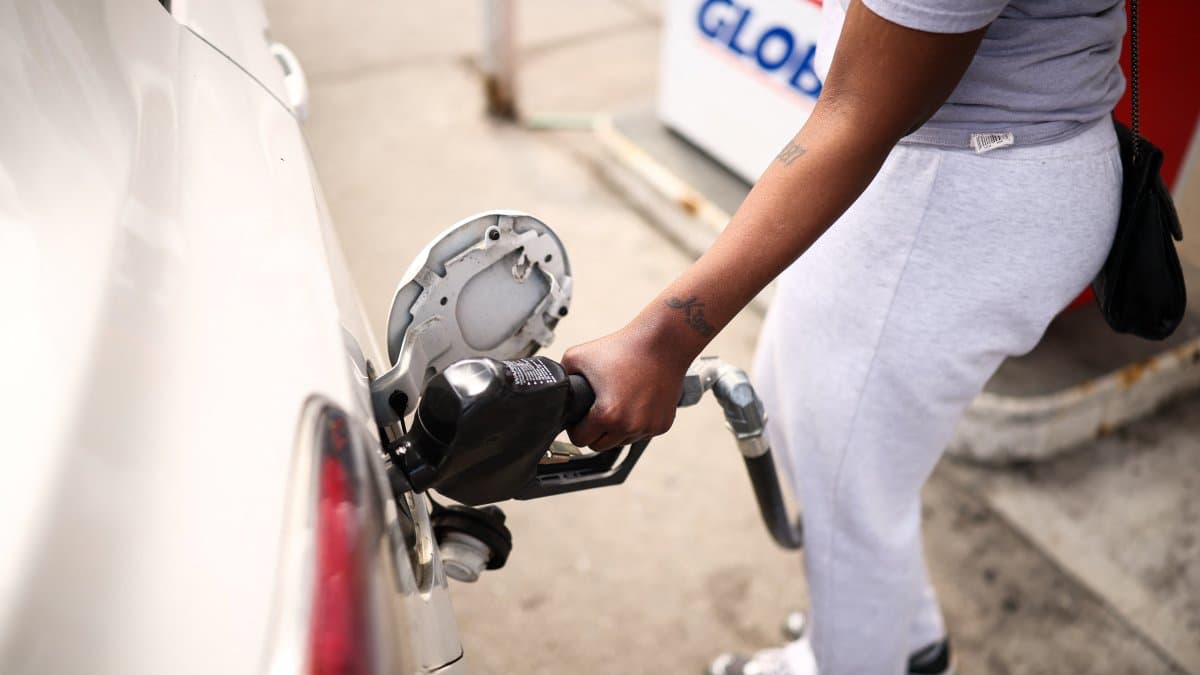
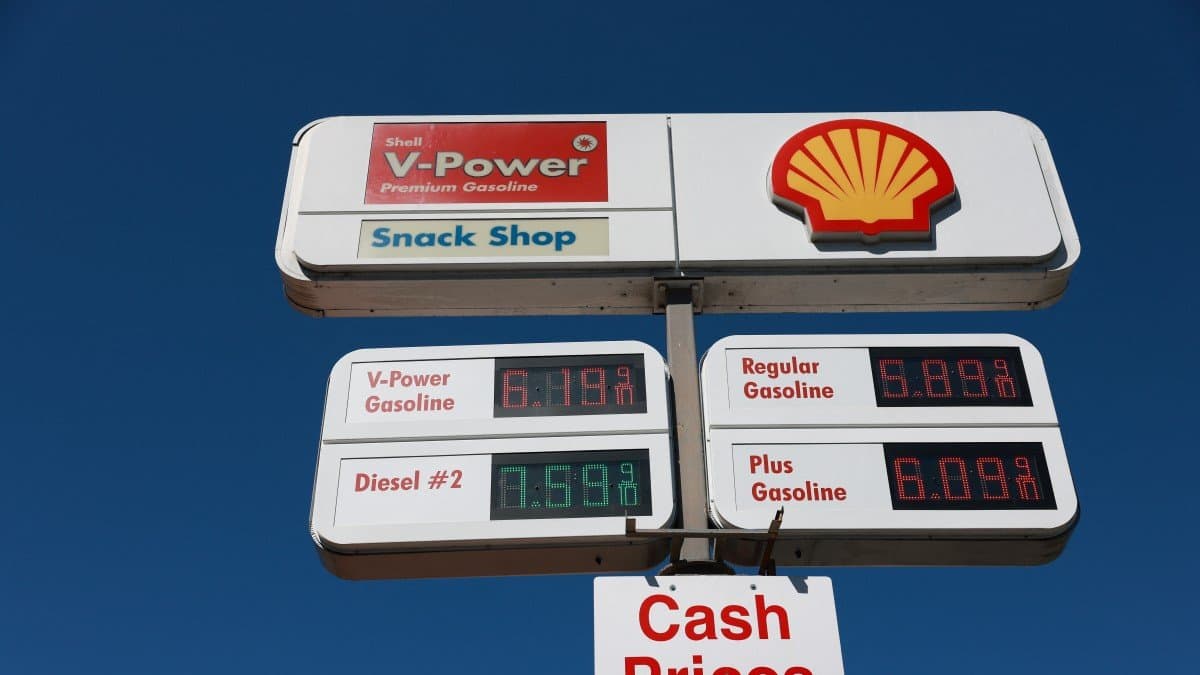
Households today are facing some of the most intense economic pressure so far this year. The average price of gasoline has climbed to $4.23 per gallon, according to AAA data, setting a new annual record. The increase, which represents a rise of $1.25 since the start of the conflict in Iran at the end of February, is directly linked to the supply squeeze in the Middle East.
The warlike tension has led to a double blockade in the Strait of Hormuz, a vital point through which global crude oil flows. This situation has sent Brent crude oil prices soaring to $114.60 a barrel, a jump of 25% in just two weeks, according to AFP.
Market contradictions: Domestic consumption vs. exports
Paradoxically, the country is sending more oil abroad than ever before. According to figures released today by the Energy Information Agency (EIA), crude oil exports reached a record high of 6.4 million barrels per day last week.
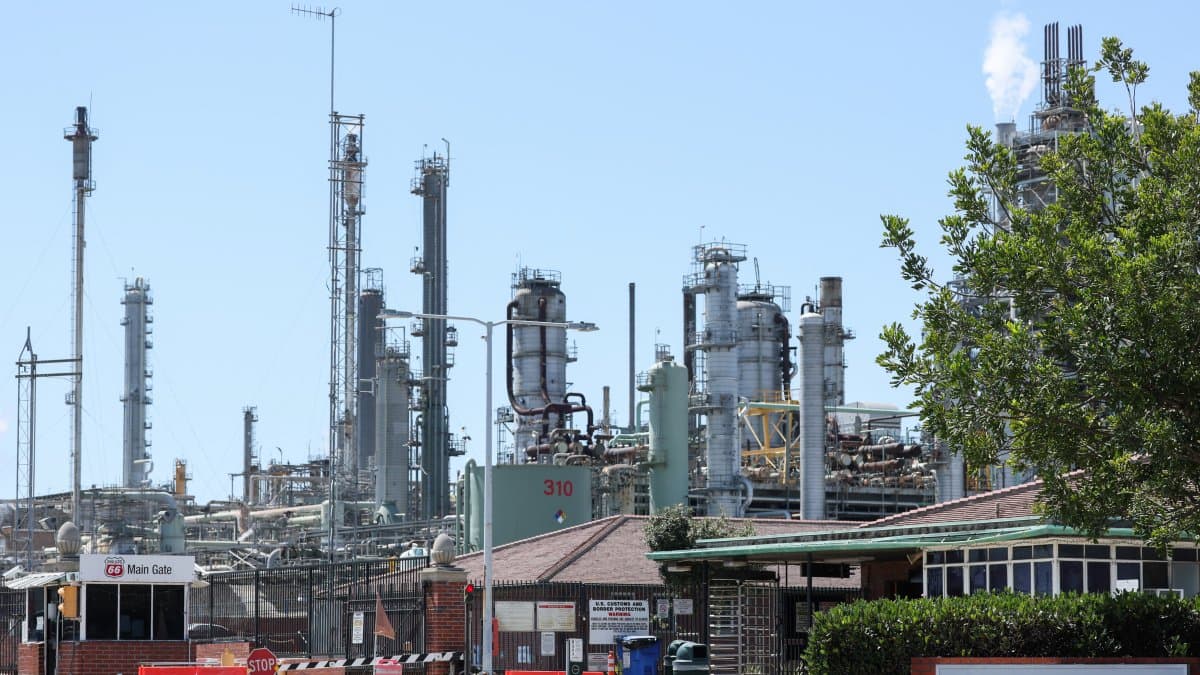
If refined products are added, more than 14 million barrels a day are being exported, a massive increase from 10 million per day a year earlier. This record outflow of fuel is seeking to alleviate the global shortage of 10 million barrels a day that the Hormuz blockade has subtracted from the market, but it has come at a domestic cost: the country's strategic reserves decreased by 7.1 million barrels in just seven days.
The impact on consumers' pockets and "margin compression"
The $0.07 per gallon rise recorded in the last 24 hours is the largest daily increase in more than a month. Industry experts warn that the situation is critical for retailers.
"This is the most severe pressure in terms of margin compression we've seen since 2020," said Tom Kloza, a consultant with Gulf Oil.
Many gas stations have tried to absorb costs to keep prices below the "psychological threshold" of $4, but the strategy appears to be running out of steam ahead of the peak driving season in the spring and summer.
Economy
Why is diesel a much bigger economic problem than gasoline since the war with Iran broke out?
Emmanuel Alejandro Rondón
Widespread inflation fears
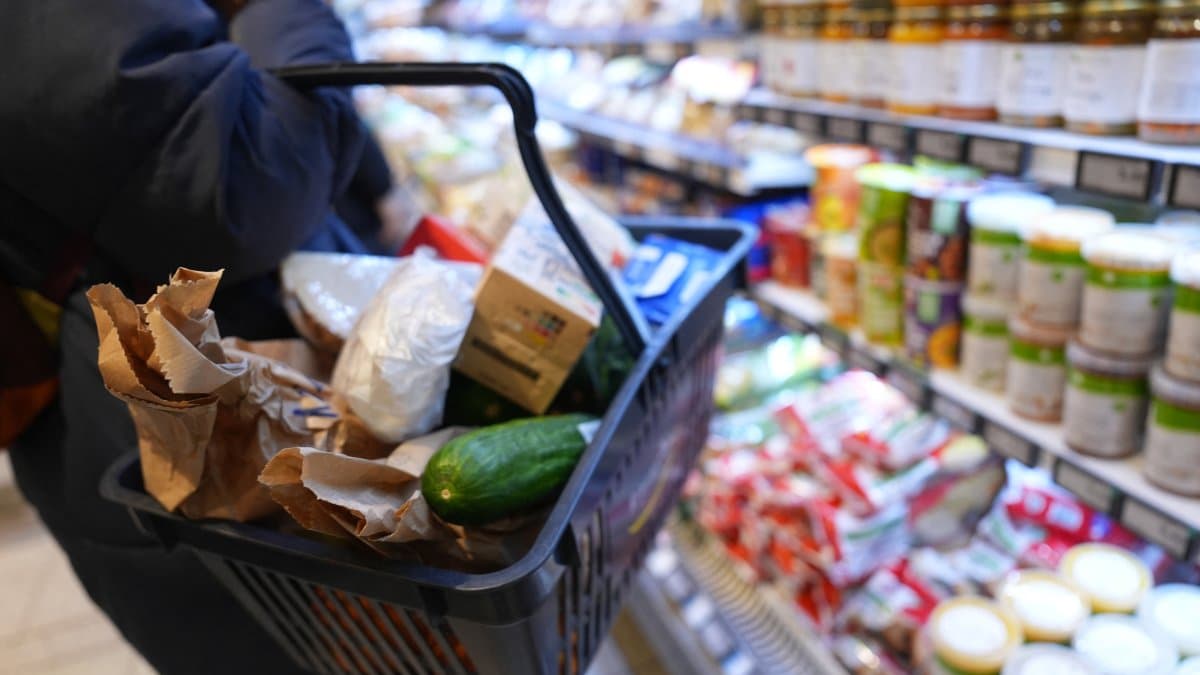
Food: Freight transportation would make the basic food basket more expensive.Utilities: Energy rates could suffer upward adjustments.Credit: There is an increase in the use of credit cards to pay for fuel, a survival mechanism that analysts consider "unsustainable in the long term."Despite recent rumors of a ceasefire between Washington and Tehran, oil markets have shown no signs of easing, keeping the economy in a state of energy vulnerability and constant volatility.
🛠 Do you think there is an error in this article?
Recommendations





LATEST