From shortages to growth: The new boom in rural pharmacies after Trump's policies
Policies pushed by the White House aim not only to reduce drug prices, but also to rebuild the nation's pharmaceutical infrastructure and revitalize the economic fabric of smaller communities.
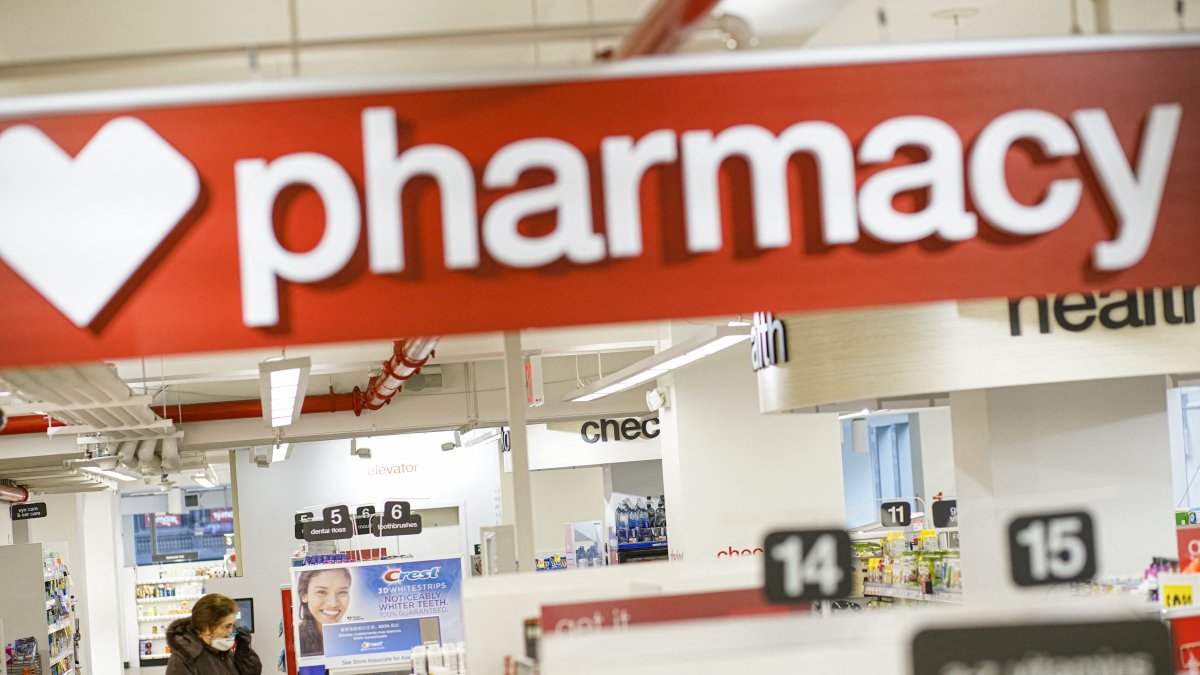
A woman searches for a drug at a pharmacy (File).

The prescription drug policies pushed by President Donald Trump are beginning to transform the pharmaceutical landscape in the country, with visible effects on both patients' wallets and the recovery of independent pharmacies, especially in rural areas.
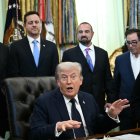
The president recently announced an agreement with the biotech company Regeneron aimed at reducing the price of drugs and attracting between $10 billion and $27 billion in domestic production. As he explained from the Oval Office, 17 of the world's leading pharmaceutical companies, representing 80% of the brand-name drug market, have committed to sell their products in the United States at the lowest price available globally. Trump called the move "the largest prescription drug price drop in the history of the country."
A protectionist turn
The strategy is also supported by a protectionist twist. In early April, the administration imposed 100% tariffs on imported pharmaceuticals and patented ingredients, with the aim of encouraging domestic manufacturing. Large companies will have to comply with this measure as of July 31, while smaller companies will have until Sept. 29. Those companies with approved relocation plans will be able to access a reduced tariff of 20%, which will increase progressively until 2030. In parallel, the FDA has streamlined regulatory processes to accelerate domestic production.
Early results reflect a strong industry response. In 2025 alone, pharmaceutical companies announced more than $370 billion in investments in domestic manufacturing. Major commitments include $27 billion from Eli Lilly for new facilities, $55 billion from Johnson & Johnson, and $50 billion from AstraZeneca, plus additional investments from giants such as Novartis and Roche.
This relocation process is generating around 44,000 direct jobs and marks a significant shift in foreign dependence: until now, between 70% and 80% of generic drugs in the U.S. were produced with active ingredients sourced mainly from China and India.


Tight margins and product shortages
The impact is especially relevant for rural and small town pharmacies, which for years have operated on tight margins and suffered product shortages and price volatility. Domestic production, by shortening supply chains, is already helping to improve supply and stabilize essential drugs such as antibiotics and diabetic treatments.
In addition, the installation of new plants in the interior and southern regions of the country is boosting local economies, raising salaries and strengthening supplier networks, factors that indirectly support the viability of independent pharmacies.
The federal program for the transformation of rural healthcare
These measures are complemented by the federal program for the transformation of rural health, which seeks to guarantee sustainable access to medical services and positions community pharmacies as key players in proximity health care.
Taken together, the policies promoted by the White House aim not only to reduce drug prices, but also to rebuild the national pharmaceutical infrastructure and revitalize the economic fabric of smaller communities.

What is the Rural Health Transformation (RHT) Program?
Through innovative system-wide change, the RHT Program invests in the rural health care delivery ecosystem for future generations.
It has a budget of $50 billion to be allocated to approved states over five fiscal years, with $10 billion available each fiscal year from 2026 through 2030.
LATEST