






Investors breathe a sigh of relief: Bessent orders removal of 'revenge tax' from Trump's mega-bill after reaching global agreement with G7
The measure was intended to respond to international tariffs that began to be levied against U.S. multinationals.

The controversial and dreaded "revenge tax," which unnerved foreign investors and created uncertainty in global markets, will finally be removed from President Donald Trump's ambitious bill known as One, Big, Beautiful Bill.
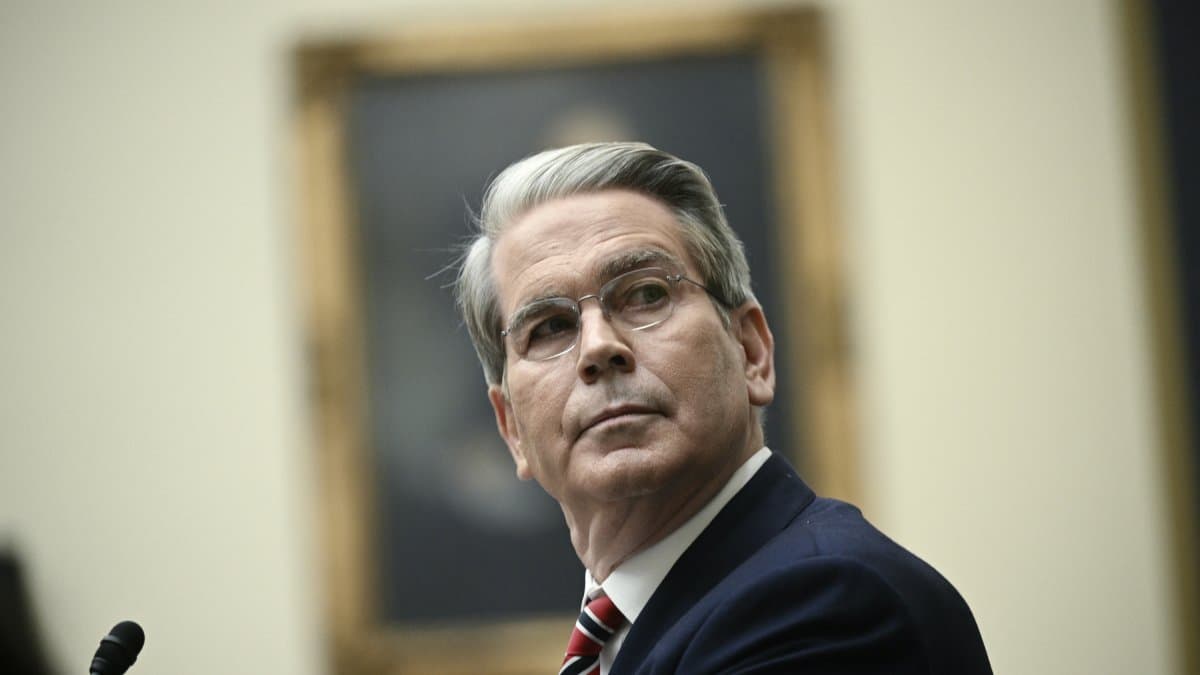
This was confirmed by Treasury Secretary Scott Bessent on X, following an announcement of an agreement with the G-7 that guarantees exemption from the also-questioned global minimum taxes, which began to be levied on U.S. companies in certain jurisdictions.
"Based on this progress and understanding, I have asked the Senate and House to remove the Section 899 protective measure from consideration in the One, Big, Beautiful Bill," Bessent said in announcing the elimination of the tax. "This understanding with our G7 partners provides greater certainty and stability for the global economy and will enhance growth and investment in the United States and beyond."
"By reversing the Biden Administration’s unwise commitments, we are now protecting our Nation’s authority to enact tax policies that serve the interests of American businesses and workers," the secretary added.
After months of productive dialogue with other countries on the OECD Global Tax Deal, we will announce a joint understanding among G7 countries that defends American interests. President Trump paved the way for this historic achievement. On January 20, the President issued two…
The "revenge tax," included in Section 899 of the Republican mega-bill, is a measure that gave President Trump the unilateral power to apply additional tax obligations of up to 20% to foreign companies from countries that, in the White House's view, apply discriminatory taxes to U.S. companies.
The measure was pushed through in the midst of international negotiations to protect U.S. multinationals from what was perceived as unfair tax treatment abroad. However, even though it had only been included in legislation that is still being negotiated, markets and business groups reacted negatively, mostly concerned about Trump's powers to punish foreign companies.
Section 899 was intended as a direct response to the Under Taxed Profits Rule (UTPR). This one-sided mechanism allowed other countries to impose additional taxes on U.S. multinationals if they believed the companies were not paying enough in their home countries.
Now, thanks to the agreement reached by the U.S., U.S. companies will be exempt from these additional taxes, which automatically eliminates the need to impose a similar measure in retaliation. The withdrawal of the "retaliatory tax," however, presents a major fiscal challenge for Trump's mega-bill, as it was expected to generate revenues of $52 billion in the Senate version and up to $116 billion in the House. Somewhere, the Republicans will have to justify a new fundraiser.
🛠 Do you think there is an error in this article?
Recommendations






LATEST