Judicial protection in exchange for what? The US intercedes on behalf of businessman Alejandro Betancourt, accused of embezzling funds from Venezuela
U.S. representatives advocated closing the case against Betancourt without criminal convictions or prison sentences.
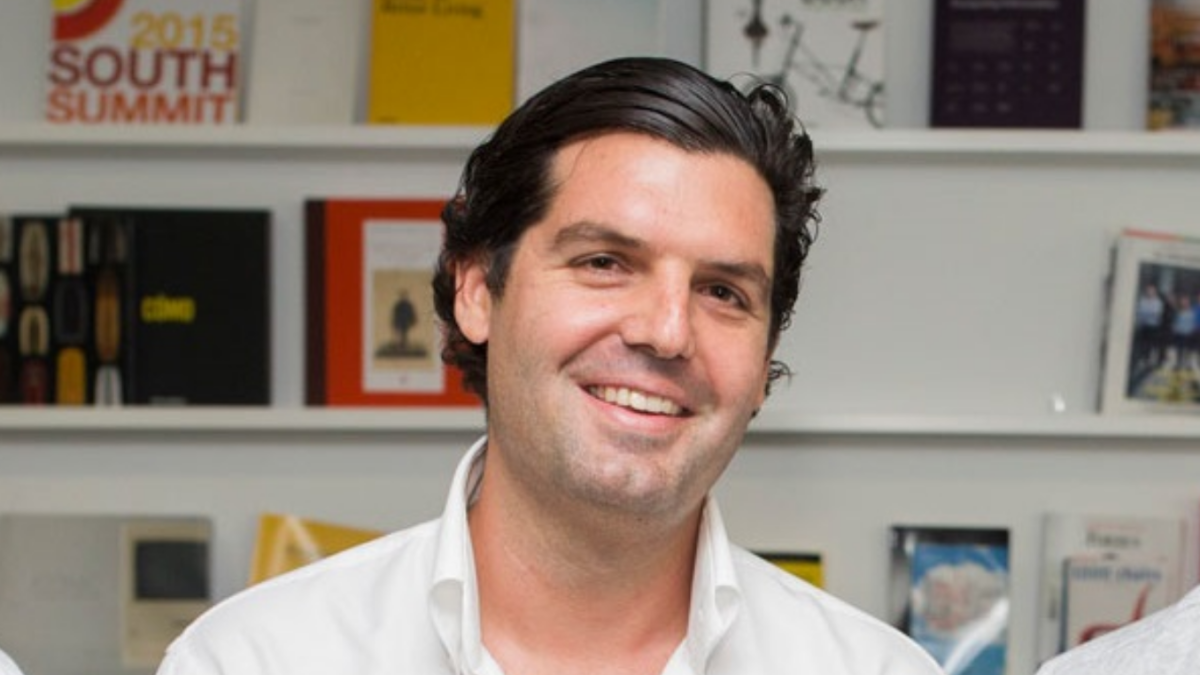
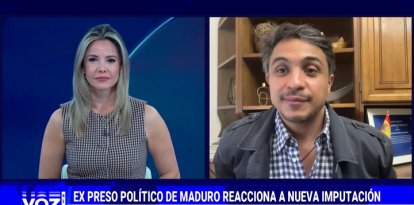
Alejandro Betancourt.

According to an exclusive investigation by the Washington Post, senior officials in the U.S. administration interceded with Swiss authorities to halt the criminal case against the controversial Venezuelan businessman Alejandro Betancourt.
The efforts sought to lift the arrest warrants and travel restrictions against the 46-year-old tycoon, who has been accused of participating in money laundering and embezzlement from the Venezuelan treasury, to use him as an intermediary in restructuring the oil sector.
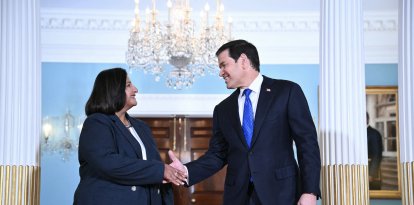
The high-level diplomatic efforts included direct contacts between Assistant Secretary of State Christopher Landau, former Attorney General Pam Bondi, and former Deputy Attorney General Todd Blanche with Swiss authorities.
In these discussions, U.S. representatives advocated closing the case against Betancourt without criminal convictions or prison sentences, prioritizing the businessman's freedom of movement.
A history of opacity and plundering of the Venezuelan treasury
Alejandro Betancourt has been the subject of multiple investigations in the United States, Spain, and Switzerland for money laundering offenses stemming from corruption schemes involving the state-owned oil company PDVSA. Among the cases, the so-called Operation Money Flight in South Florida stands out. A corruption network that embezzled more than $1.2 billion through currency exchange fraud involving the Venezuelan currency.
In that case, defendants and federal investigators identified Betancourt as one of the conspirators who had not been formally charged after he hired prominent lawyers to halt his prosecution.
For much of Venezuelan society, Betancourt's activities symbolize the abuses and institutional looting that destroyed the country's economy.
His career took off at age 30 when his company, Derwick Associates, secured multimillion-dollar electrical infrastructure contracts under the socialist regime of Hugo Chávez, amid severe allegations of overpricing and inefficiency that left the country in the dark.
Pragmatic immunity in exchange for operational control
Despite this turbulent history, Washington turned to Betancourt because of his control of North American Blue Energy Partners (NABEP)—the second-largest private operator on Venezuelan soil—and his direct ties to the acting president, Delcy Rodríguez.
Mauricio Claver-Carone, a former White House advisor, went so far as to describe Betancourt as a "key ally" in ensuring the flow of crude oil to international markets.
Following U.S. intervention, the Zurich prosecutor's office withdrew the extradition order against the businessman in the United Kingdom, while the State Department granted him a multiple-entry visa to travel to the United States.
Details of the Alejandro Betancourt case
- Million-dollar embezzlement: U.S. investigations link Betancourt to a money-laundering scheme involving $1.2 billion siphoned from PDVSA through currency exchange fraud.
- Diplomatic pressure: Former Attorney General Pam Bondi and former Deputy Attorney General Todd Blanche explicitly asked Switzerland to avoid prison sentences or criminal charges against the businessman.
- Facilitated visa: The Department of State arranged a one-year visa so the tycoon could enter the U.S. without restrictions for strategic meetings.
- Electricity contracts: His initial fortune came from multimillion-dollar public contracts awarded to his company, Derwick Associates, during Hugo Chávez's administration.


Politics
Trump administration begins transferring deportees to Liberia under new immigration agreements
Andrés Ignacio Henríquez

Politics
The United States is close to finalizing a major agreement to control oil fields in Venezuela
Andrés Ignacio Henríquez
LATEST