ANALYSIS
France: Amid a heat wave, Le Pen promises widespread air conditioning while the left rejects it as an "ideological taboo"
For the right, air conditioning is simply common sense and a way to protect working people from what they consider to be excessive green policies by Macron and Brussels. The Greens, on the other hand, see it as an "maladaptive response" that ends up further heating up neighborhoods and overloading the power grid.
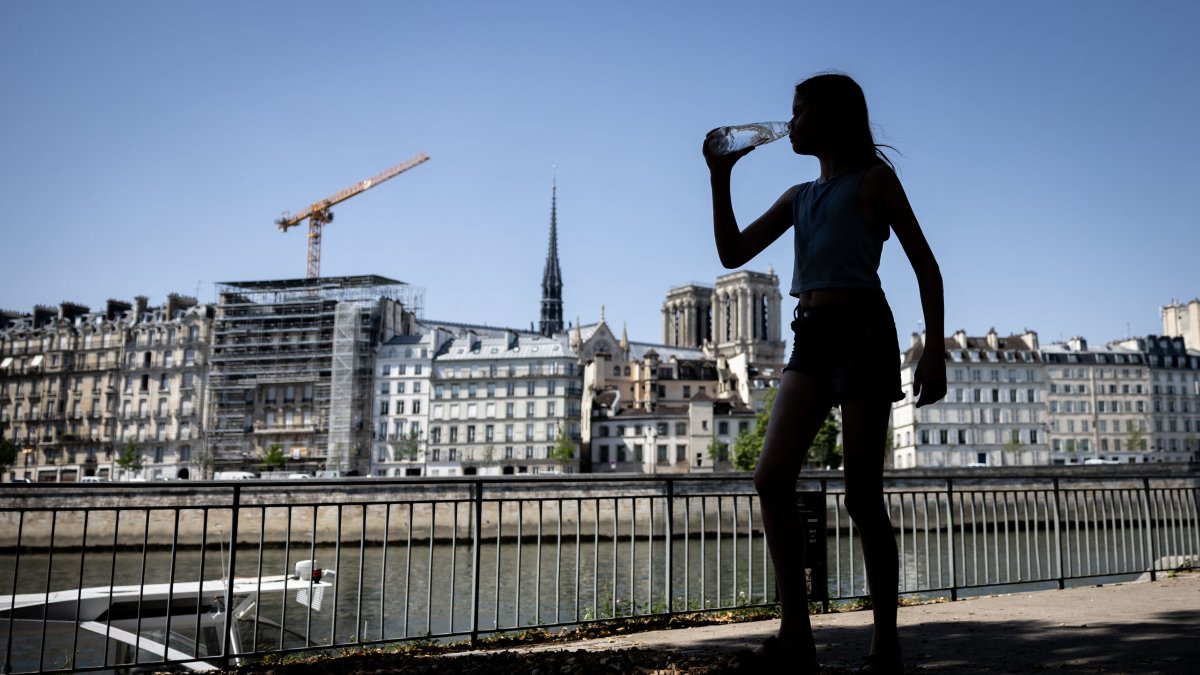
Heat Wave in Paris—File Photo

As France endures a brutal heat wave with temperatures exceeding 40°C, the debate over air conditioning has turned into a new culture war pitting the right against the radical left and environmentalists.
In France, where about 70% of electricity comes from low-carbon nuclear power, environmental concerns are less pronounced. However, there remains significant cultural resistance to the widespread use of air conditioning.
The trauma of 2003 reignites the debate
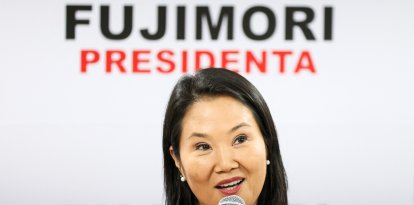
Marine Le Pen, leader of the right-wing National Rally (RN) party, proposed a "massive air-conditioning plan" ahead of the presidential election. "It is absurd to have people die because of the heat," she said, promising to prioritize hospitals, nursing homes, and schools, especially to protect the most vulnerable.

Society
Two decades after 'An Inconvenient Truth': What does the data say about Al Gore's predictions?
Carlos Dominguez
According to the Financial Times (FT), Le Pen directly accused the left and green activists of rejecting air conditioning for ideological reasons, even if that puts people’s health at risk.
A lawmaker from her party went further by recalling the 2003 heat wave, which caused more than 14,800 deaths in the country: "The 2003 heatwave should have been followed by a massive plan to install air conditioning, which unfortunately in France has long been an ideological taboo imposed by the left," he noted.
The Left and the Ideological Taboo of Air Conditioning
The leader of the radical left-wing party La France Insoumise (LFI), Jean-Luc Mélenchon, responded directly: "Absolutely not. Installing air conditioning everywhere would only mean increasing the damage," arguing that this would cause carbon emissions and electricity consumption to skyrocket.

For her part, the leader of the Green Party, Marine Tondelier, maintains that air conditioning is "no taboo," but neither is it a one-size-fits-all solution, and she proposes a "climate leave" of up to five days a year for exposed workers.
For the right, air conditioning is simply common sense and a way to protect working people from what they consider to be excessive green policies from Macron and Brussels. In contrast, the Greens see it as an "maladaptive response" that ends up further heating up neighborhoods and overloading the power grid.
Heat Wave in France: Forty Drowned and Thousands Without Power
The French are experiencing their second heat wave in less than a month. This week’s high temperatures have forced authorities to close iconic landmarks such as the Louvre and the Eiffel Tower.

Additionally, some 68,000 households remained without power on Wednesday in western France due to an incident related to the heat wave sweeping the country, the prefecture announced. "The incident was accidental and is related to the high temperatures currently being recorded. No one was injured in this incident," stated the prefecture of the department of Finistère, in the region of Brittany, in a press release.
Meanwhile, at least forty people have drowned in the past week due to the heat wave, Prime Minister Sébastien Lecornu reported. "There is a tragic spate of drownings. The latest figure reported to us is 40 deaths since June 18, mainly among young people," he said during a crisis meeting on the heat wave.
Air Conditioning: More Use, but Still Far from the Norm
A survey by Ipsos cited by the publication indicates that 84% consider it the most effective way to combat the heat, even though 78% view it as harmful to the environment. At the same time, support is growing for solutions such as more green spaces and building retrofits.
For his part, Danish analyst Bjørn Lomborg, known for his criticism of alarmist climate policies and author of several books on climate change and global development, posted on Twitter this Wednesday:
"It is absurd for people to die from heat when we have air conditioning. Cooler cities like white roofs and green spaces are also cheap and effective solutions. Don't make smart policies into a culture war."
LATEST