Miami sets up cooling stations and air-conditioned shelters to combat extreme heat during 2026 World Cup
Authorities installed four cooling centers inside the stadium, set up 60 air-conditioned spaces, and expanded the network of free hydration stations to protect fans and workers during the 2026 FIFA World Cup.
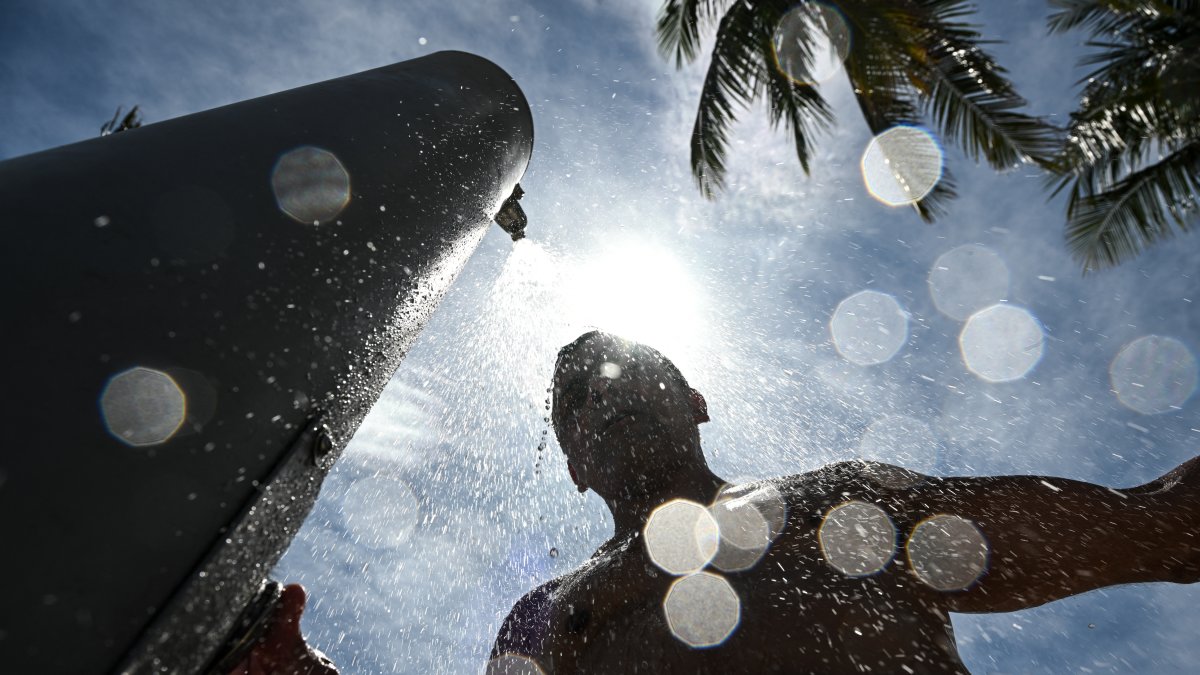
A man takes a shower on a hot afternoon in Miami Beach (File photo)

In anticipation of the high temperatures expected during the 2026 FIFA World Cup, Miami-Dade County has launched a comprehensive prevention plan to reduce the risks associated with extreme heat at one of the tournament’s most vulnerable host cities.
Local authorities reported four cooling stations were installed inside the stadium that will host World Cup matches, in addition to a network of 60 air-conditioned libraries, parks, and public buildings available to residents and visitors who need to seek shelter from the high temperatures.
The initiative also includes free hydration stations, water distribution trailers, and eight HydroStations™ located at public transit stops, where attendees can access cold drinking water and refill their bottles.

Sports
FIFA reverses decision, will include Spanish in translations of all World Cup press conferences
Williams Perdomo
"Heat is no joke, and in Miami-Dade we know that"
"Heat is not a game — and in Miami-Dade, we know it," said Mayor Daniella Levine Cava when presenting the prevention campaign launched for the tournament. The official urged attendees to stay hydrated, seek shade and recognize the symptoms associated with heat exhaustion and heatstroke.
The initiative comes amid growing concerns about the impact of extreme temperatures on the World Cup. An analysis by the organization World Weather Attribution warned that 26 of the 104 scheduled matches could be played under conditions considered dangerous for players, workers and spectators.
Likewise, the International Federation of Professional Footballers’ Associations (FIFPRO) believes that when the global wet-bulb globe temperature (WBGT) reaches 82 degrees Fahrenheit, the suspension of matches should be considered due to health risks. This index combines temperature, humidity, solar radiation, and wind speed to measure the actual heat stress on the human body.
The most recent studies also suggest that extreme heat directly affects athletic performance. Research conducted during the 2025 Club World Cup found that soccer players reduce the intensity of their play, make fewer sprints, and manage their physical exertion more cautiously when thermal conditions are adverse.

Society
Texas under flood alert: Storms and extreme heat add pressure to the 2026 World Cup
Diane Hernández
Miami recommends drinking water every 20 minutes and wearing light clothing
Under the slogan "Heat is not a game," the campaign recommends drinking water every 20 minutes, wearing lightweight and light-colored clothing, applying sunscreen, taking frequent breaks in shaded or air-conditioned areas, and watching for signs of exhaustion or heatstroke.
The county indicated that the schedules and locations of cooling centers will be available on its official website to help attendees and visitors plan during the weeks of competition.
The strategy is part of a broader effort to adapt major sporting events to an increasingly challenging climate scenario.
LATEST