Trump announces ceasefire with Iran shortly before deadline: Strait of Hormuz opens and a possible deal is on the table
The decision came after key talks with Pakistani Prime Minister Shehbaz Sharif and Field Marshal Asim Munir.
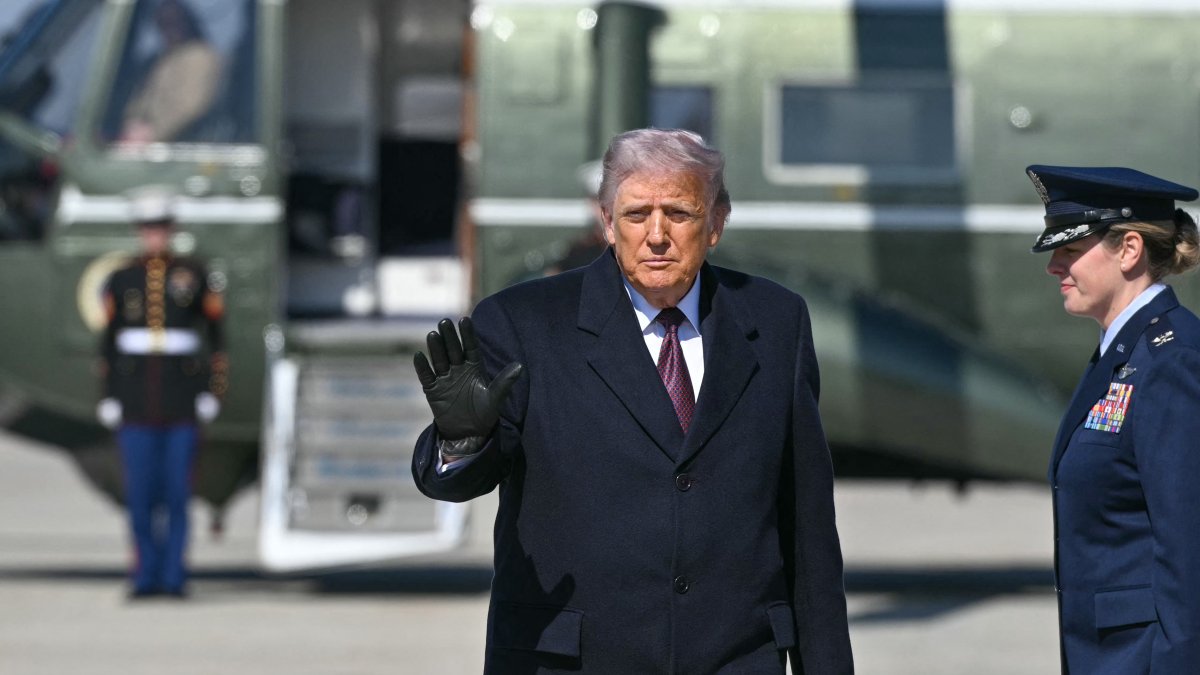
President Donald Trump/ Mandel Ngan

President Donald Trump announced Tuesday the suspension of strikes and bombings against Iran for a two-week period, after accepting a request for mediation by Pakistan's leaders.
The pause, which he called a "bilateral cease-fire," is strictly conditional on the Islamic Republic of Iran guaranteeing the full, immediate and safe opening of the Strait of Hormuz.
The decision came after key talks with Pakistani Prime Minister Shehbaz Sharif and Field Marshal Asim Munir. According to Trump, the U.S. government received a 10-point proposal from Iran, which it considers a "viable basis" for negotiating a final deal.
"We have met and exceeded all military objectives, and we are very close to a final agreement on long-term peace in the Middle East," the president said.
For his part, Iranian Foreign Minister Seyed Abbas Araghchi confirmed Tehran's position through an official statement issued by the Supreme National Security Council. Araghchi stated that, in response to the U.S. cessation of hostilities, the Iranian armed forces will halt their "defensive operations."
He also ratified that the passage through the Strait of Hormuz will be enabled for a period of two weeks under the coordination of its naval forces.

The road to truce
This announcement marks a dramatic turnaround after days of maximum tension. Until a few hours ago, the White House maintained an ultimatum that expired this Tuesday at 8:00 p.m. (Eastern time). Had this commitment not been reached, Washington had warned that it would order attacks against key infrastructure, including power plants and bridges in Iranian territory.
Although earlier reports indicated that Trump had rejected initial offers from Tehran as not "good enough," the new 10-point plan appears to have unblocked the diplomatic track. "A two-week period will allow the agreement to be finalized and consummated," Trump explained in his message.
Pakistan's role as mediator.
Islamabad's intervention has been the determining factor in avoiding military escalation. Prime Minister Sharif had publicly asked Trump for an extension of the deadline to give diplomacy space, noting that efforts were "steadily progressing."
Sources close to the negotiations indicate that Pakistan's role was instrumental in channeling indirect contacts between Washington and Tehran.
For now, the international community will watch cautiously whether Iran will comply with the reopening of the Strait of Hormuz, a vital point for global energy markets, thus allowing the cease-fire to remain in effect for the next two weeks.
Politics
Trump calls Tucker Carlson 'low-IQ person' for criticizing his policy against Iran
Carlos Dominguez
LATEST