US Southern Command Chief and Senior War Department Official Travel to Venezuela, Hold Talks with Chavista Leadership
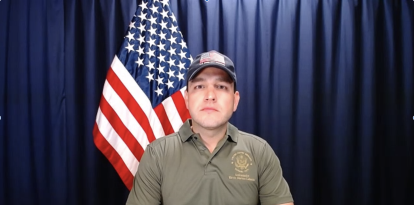
Accompanying General Francis Donovan was Joseph M. Humire, Deputy Assistant Secretary of War for Western Hemisphere Security Affairs at the U.S. War Department.
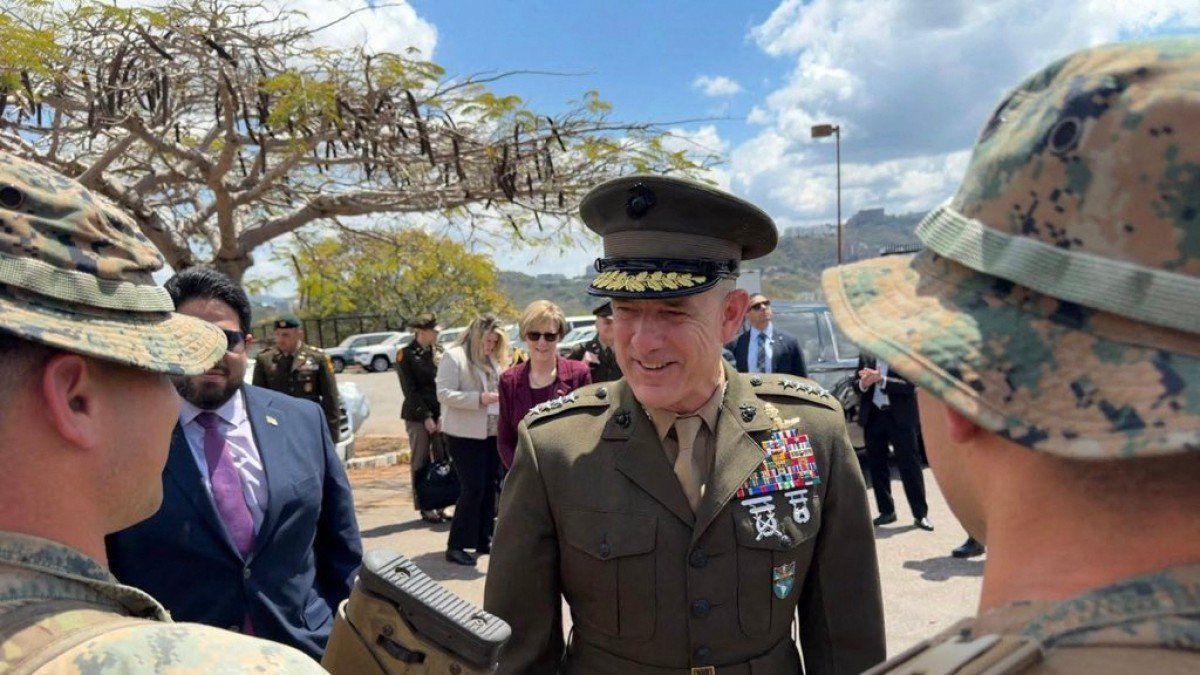
Francis Donovan speaks with soldiers after his arrival in Caracas

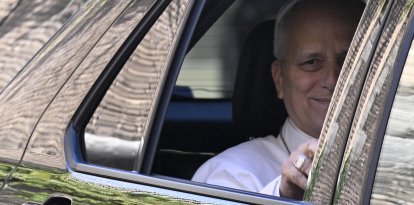
Gen. Francis L. Donovan, commander of the US Southern Command, traveled on February 18 to Caracas, Venezuela, to hold meetings with senior officials of the interim Chavista regime, according to the US Embassy in Venezuela in an official statement posted on its 'X' account.
"Another historic day in which we welcomed @SOUTHCOM commander General Donovan to Venezuela. In Caracas, General Donovan began by meeting with his team of Joint Force service members, once again guarding the U.S. Embassy facility, and with his interagency partners. He then met with the interim authorities to assess the security issue, ensure implementation of the @POTUS' three-phase plan and advance the goal of a Venezuela aligned with the United States."
Otro día histórico en el que dimos la bienvenida al comandante del @SOUTHCOM, el general Donovan, a Venezuela. En Caracas, el General Donovan comenzó reuniéndose con su equipo de miembros del servicio de la Fuerza Conjunta, una vez más vigilando las instalaciones de la embajada… pic.twitter.com/mjkWmfUlOd
— Embajada de los EE.UU., Venezuela (@usembassyve) February 18, 2026

Politics
EEUU mata a 11 supuestos narcotraficantes en nuevos ataques contra lanchas en el Caribe y el Pacífico
Williams Perdomo
Accompanying General Donovan was Joseph M. Humire, Deputy Assistant Secretary of War for Western Hemisphere Security Affairs at the U.S. War Department, an official known for his academic work on security issues, especially in Latin America, and for his critical stance towards criminal structures linked to Chavismo and the threat they pose in the Western Hemisphere.
The U.S. embassy detailed that Donovan met with authorities of the interim Chavista regime in Caracas. Among those present were Delcy Rodriguez, head of the interim Chavista regime; Diosdado Cabello, Minister of People's Power for Interior, Justice and Peace and key man in the regime's repressive machinery, and Vladimir Padrino López, the Minister of Defense. All of them are figures of the Chavista leadership who continue to exercise political power in Venezuela under the threat of the White House.
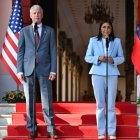
According to the Ministry of Communication and Information of the interim Chavista regime, the meeting "ratifies that the diplomatic path must be the mechanism to resolve divergences and address issues of binational and regional interest" and that both parties agreed to work on “a bilateral cooperation agenda for the fight against trafficking of illicit substances, terrorism and migration."
The meetings between Venezuelan and U.S. officials occur more than a month and a half the capture of dictator Nicolas Maduro, who was arrested in Venezuelan territory and taken to the U.S. by U.S. forces to face charges of narcoterrorism. There are still Chavista officials who have a criminal record similar to Maduro's, among them Diosdado Cabello and Vladimir Padrino López, two of the most powerful men in Venezuela and, paradoxically, two authorities who are now in the complex dilemma of working with Washington under duress.
LATEST