






Russia evaluates returning to the dollar in a potential economic deal with the US according to an internal memo
Senior Russian officials assessed potential areas of cooperation between the two powers in the context of an eventual deal to end the war in Ukraine.
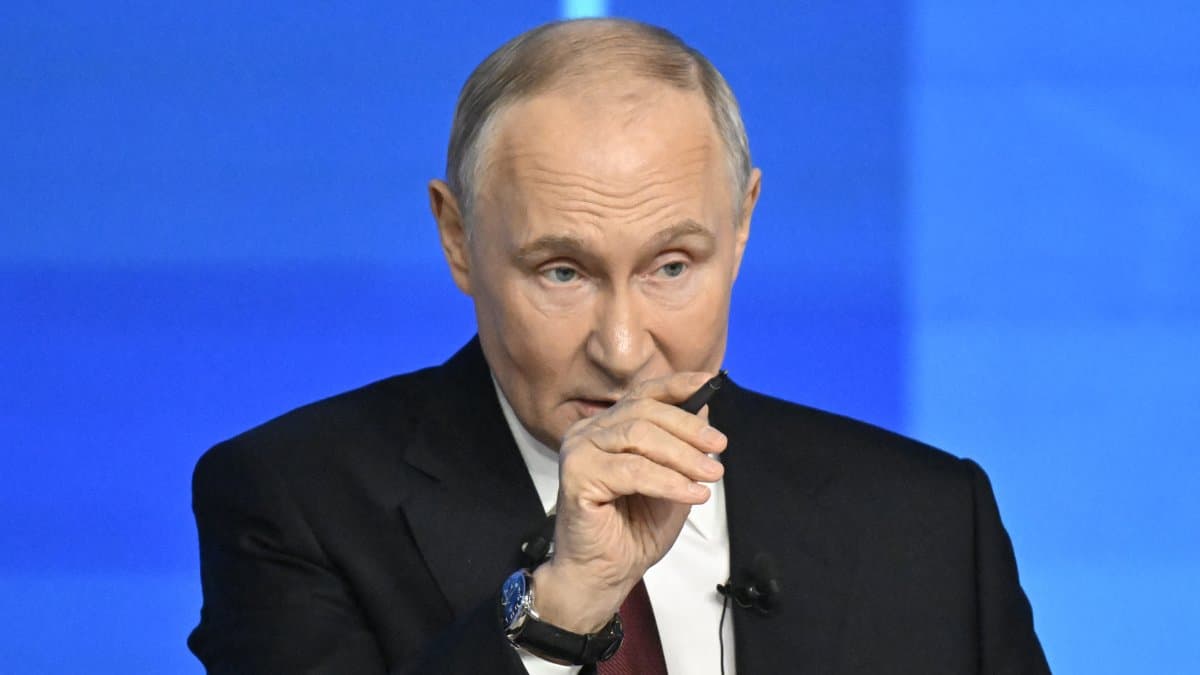

Russia, in a possible attempt to move closer to Washington, may be considering a strategic turn of enormous scope: returning to the dollar settlement system as part of an eventual economic partnership with the United States.
According to a Bloomberg report based on an internal Kremlin document, senior Russian officials assessed potential areas of cooperation between the two powers in the context of an eventual deal to end the war in Ukraine.
The memorandum - drafted this year and circulated among senior Russian officials - raises seven points of economic convergence that, in Moscow's view, could serve to give new impetus to a complex bilateral relationship that has stagnated in recent years. These include joint investments in natural gas, offshore oil and critical raw materials, as well as an energy approach that would prioritize fossil fuels over greener alternatives, an issue of vital importance to the Trump administration.
However, the most disruptive element of the potential deal is undoubtedly the possibility of Russia returning to operating within the dollar-dominated system after years of pushing for alternatives with other geopolitical players.
Is Russia likely to unwind?
Should such a move materialize, the Kremlin would make a remarkable turnaround in its economic strategy, especially after the 2022 invasion of Ukraine. This key event prompted Moscow to strengthen alternative trade circuits, mainly together with China and India. These relationships allowed Russia to reduce its dependence on the U.S. currency.
Although returning to the dollar would, in practice, once again imply accepting Washington's financial centrality, it could also offer exchange rate stability and expand Russian access to international markets in a context of economic slowdown, high inflation and an unemployment crisis.
For the White House, the geopolitical appeal is almost self-evident: cutting Moscow off from the Western financial system could weaken the axis Russia has built with China since the sanctions began.
However, Western officials cited by Bloomberg consider it unlikely that the Russian leader, Vladimir Putin, will move toward a deal that directly clashes with Chinese interests, given that Beijing has become a key supplier to the Russian economy - and military industry.
Therefore, the great unknown is whether the Kremlin is really willing to reverse years of economic strategy or whether the proposal is part of a negotiating maneuver at a particularly sensitive moment in the conflict with Ukraine, in the midst of stalled peace negotiations.
🛠 Do you think there is an error in this article?
Recommendations




LATEST