






US proposes trilateral dialogue with Russia and China for new nuclear control framework
a session of the Conference on Disarmament in Geneva, U.S. Under Secretary of State for Arms Control Thomas DiNanno argued that the end of the treaty highlights the need for a new nuclear security architecture adapted to the current context.
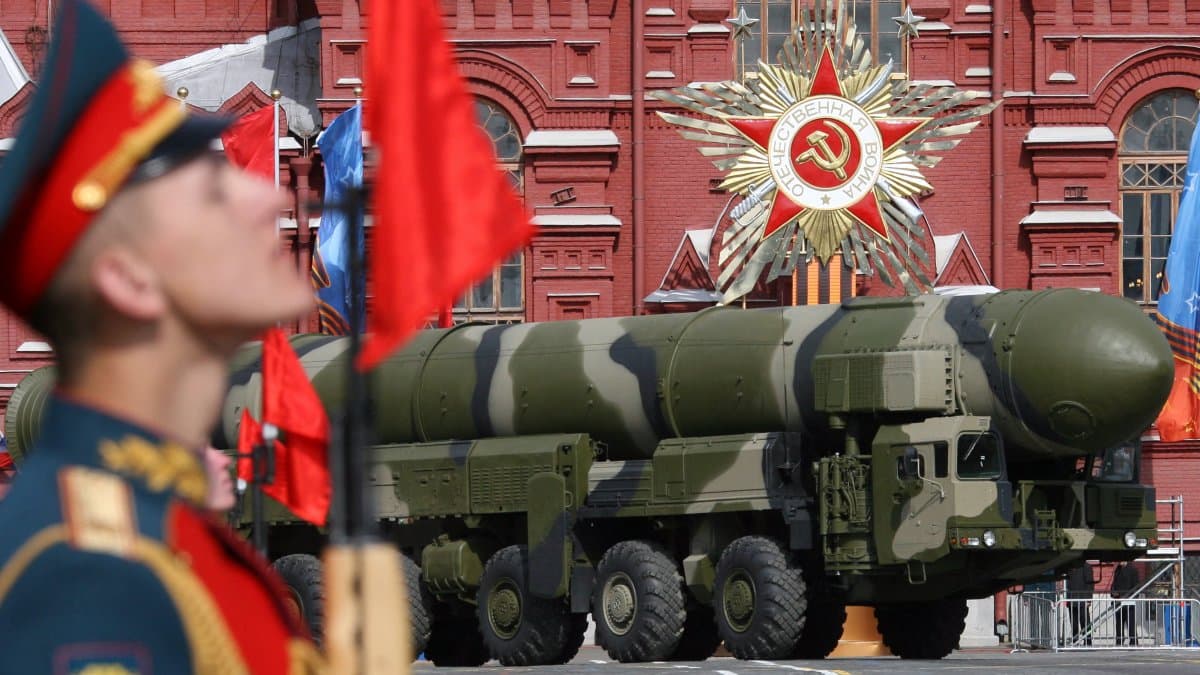

The United States called Friday for the start of trilateral negotiations with Russia and China to set new limits on nuclear arsenals, following the expiration of the New START treaty, the last existing agreement between Washington and Moscow on strategic arms control.
During a session of the Disarmament Conference in Geneva, U.S. Under Secretary of State for Arms Control Thomas DiNanno argued that the end of the treaty makes clear the need for a new nuclear security architecture tailored to the current context.
"Russia's repeated violations, growing arsenals around the world, and flaws in the design and implementation of New START give the United States a clear imperative to push for a new framework that addresses the threats of today, not those of a bygone era," DiNanno said, per AFP.
World
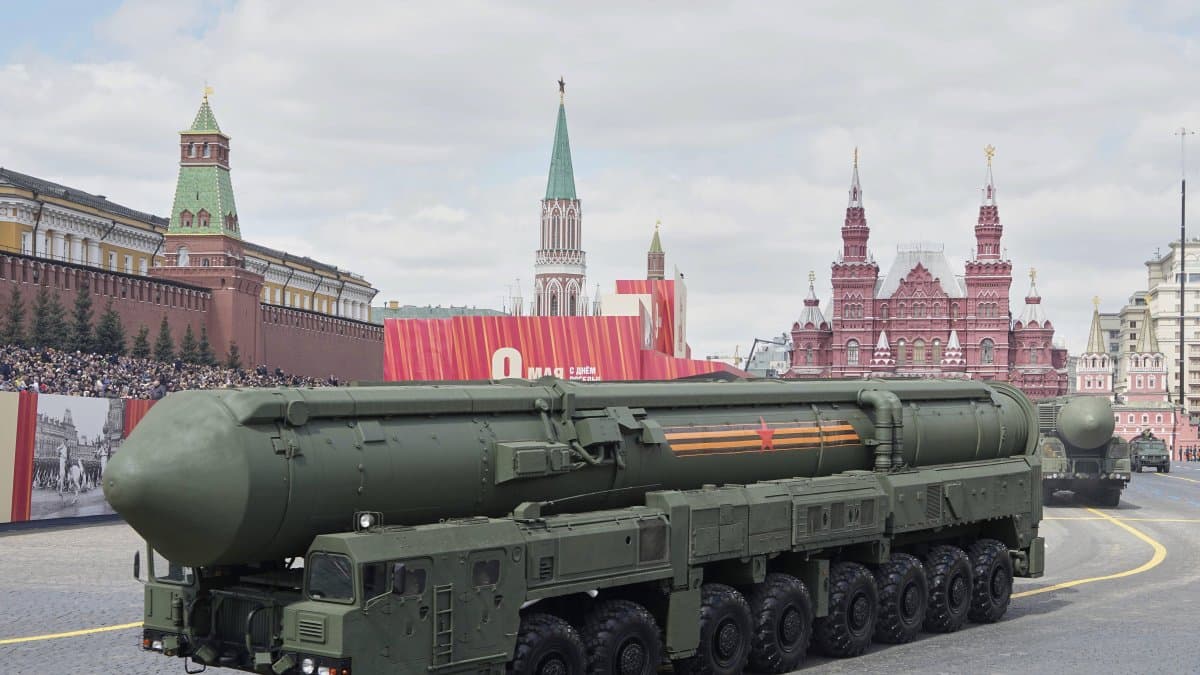
The end of New START: The last nuclear pact between Washington and Moscow expires
Santiago Ospital
Concern in Washington over China's lack of commitment
The official further underscored Washington's concern over China's lack of commitments on this issue. "As we sit here today, China's entire nuclear arsenal has no limits, no transparency, no declarations, had no controls," he warned, insisting that the next stage of arms control "requires the participation of more actors than just Russia," the agency reviewed.
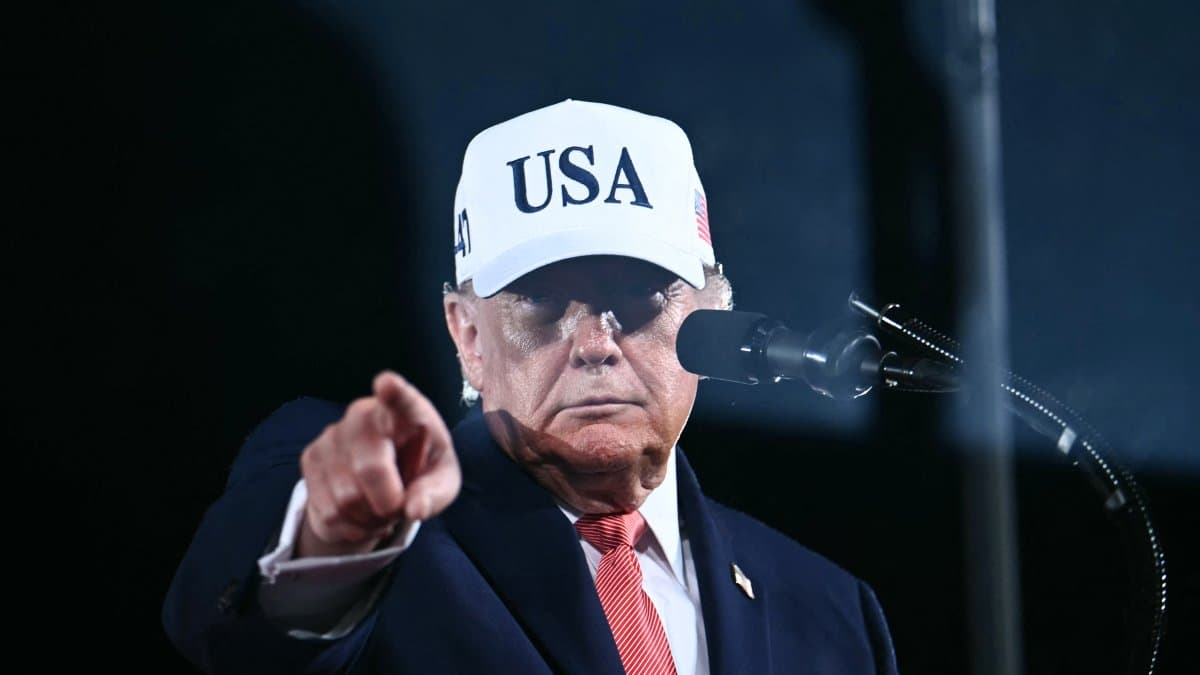
The stance by the U.S. is in line with what was previously expressed by President Donald Trump, who called for negotiating a "new and modernized" nuclear treaty rather than extending the deal that expired Thursday, ending decades of formal restrictions on the arsenals of the world's two largest nuclear powers.
Moscow's cautious response
"In principle, Russia would participate in that process if the United Kingdom and France were also included," Russian Ambassador to the Conference on Disarmament Gennadi Gatilov said, noting that both countries are military allies of the United States within NATO, which he described as a "nuclear alliance."
Politics
US and Russia agree in Abu Dhabi to resume high-level dialogue on military issues
Carlos Dominguez
The crossing of positions reflects the complexity of the scenario following the end of New START, in a context marked by the deterioration of relations between the global powers and by the sustained growth of nuclear arsenals, especially in Asia.
The absence of a binding framework raises questions about the future of disarmament and global strategic stability.
🛠 Do you think there is an error in this article?
Recommendations




LATEST