Trump convenes summit with allied presidents of Hispanic America
On March 7, he will meet with the leaders of Argentina, El Salvador, Honduras, Paraguay, Ecuador and Bolivia to discuss Chinese influence in the region.
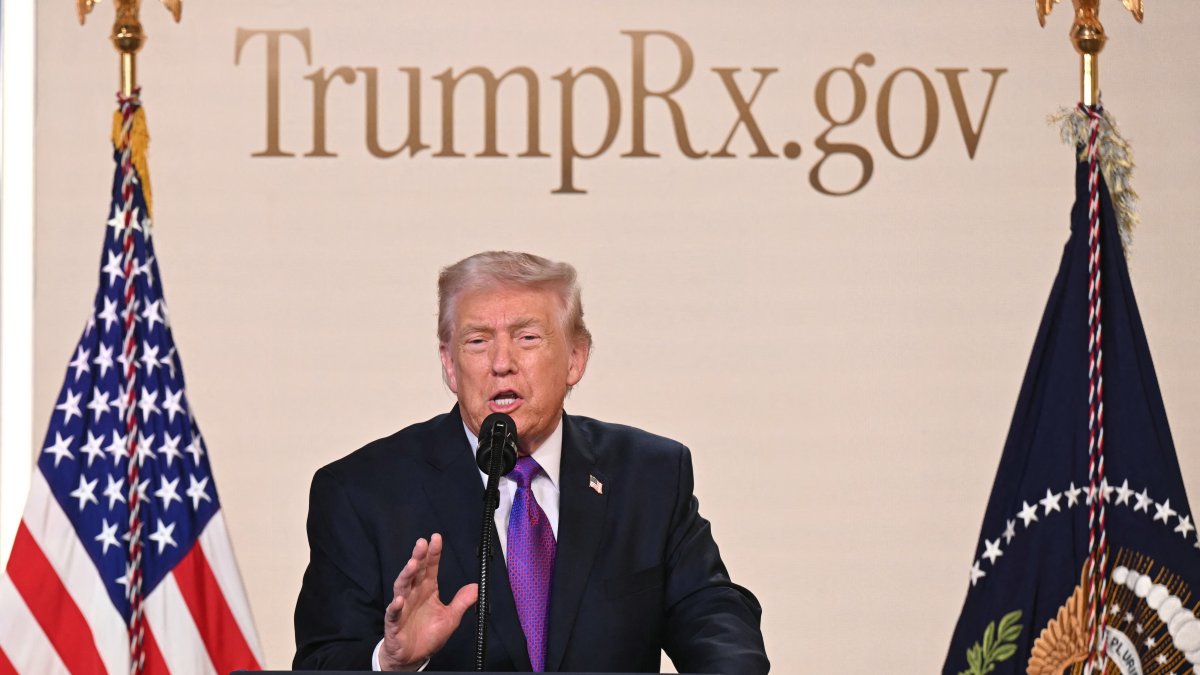
Donald Trump unveils new TrumpRx website.

U.S. President Donald Trump will host the heads of Argentina, Paraguay, Bolivia, El Salvador, Ecuador and Honduras in Miami next month, the first regional summit since he took office just over a year ago.
A White House official on condition of anonymity revealed Wednesday to AFP that the meeting between the South American presidents and Trump will take place on March 7.
All these leaders are more or less close to the Republican leader, who has made relations with his southern neighbors an unexpected axis of his foreign policy.
Donroe Doctrine: the goal, to reverse China's influence
Latin America and the Caribbean is the area to be watched imperatively in the face of a new world order in which China is the rival to beat, in Trump's opinion.
China has been investing in the region for decades, and Trump wants to reverse that trend with a policy that alternates carrots and sticks: interventions in Venezuela, attacks in the Caribbean, an oil blockade against Cuba or warnings to countries that insist on a radical leftist and censorious agenda such as Brazil.
However, Trump is capable of taking unexpected turns, such as his telephone conversations with the Brazilian president, Luiz Inácio Lula da Silva, or the welcome he dispensed last week to the Colombian leader, Gustavo Petro, after months of mutual insults.
Milei, Trump's great ally in the Southern Cone
Of the initial group of leaders who will go to Miami, the Argentine Javier Milei is the closest ideologically, and is the leader who has seen Trump most often, starting with the very festivities organized by the Republican after his historic election victory in November 2024.
Argentina has received financial aid from the U.S. Treasury, has signed a free trade agreement and is willing to increase that relationship with the opening to investment from the northern neighbor in its rare earth deposits, one of Trump's obsessions.
Milei will foreseeably attend the Argentina Week organized from March 9 in New York, a business meeting to attract investments.
El Salvador's Nayib Bukele is another key ally because he decided to collaborate from the first moment with Trump's hard anti-immigration policy.
El Salvador regularly welcomes planes with illegal migrants and has even agreed to admit those with serious criminal histories into its high-security prisons.
Santiago Peña of Paraguay, Rodrigo Paz of Bolivia, Daniel Noboa of Ecuador and Tito Asfura of Honduras are leaders determined to partly imitate Bukele's citizen security model, although each has his own priorities vis-à-vis Washington.
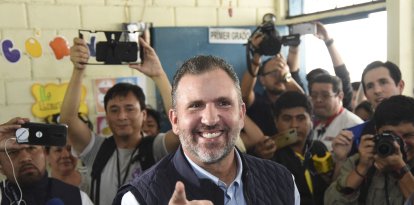
Asfura was received last Saturday by Trump in Florida, and the Republican boasts of having decisively supported him in the election campaign.
The United States also gave him its full backing in the long and controversial vote count, which put the Honduran electoral system to the test.
Asfura said he is willing to collaborate on drug trafficking and immigration issues, but his goal is to persuade Trump to reverse the termination of Temporary Protected Status (TPS) that benefited thousands of Hondurans for years.
Ecuador, with its oil and commodities such as coffee, and Bolivia, with its large mineral deposits, also have trump cards to play before the U.S. president, who has proclaimed himself "leader" of the region.
Trump has even renamed the famous Monroe Doctrine, of intervention in the region, as the "Donroe Doctrine," and has established it as his national security strategy, regardless of whoever it may concern.
The continent was to hold a Summit of the Americas in 2025 in the Dominican Republic, but it is postponed without a definite date.
LATEST