Trump says Carney apologized for Canada's "false announcement" on tariffs, but denies a return to trade talks
"He was very gracious. He apologized for what they did with the commercial because it was a false ad. Ronald Reagan loved tariffs," Trump told reporters aboard Air Force One
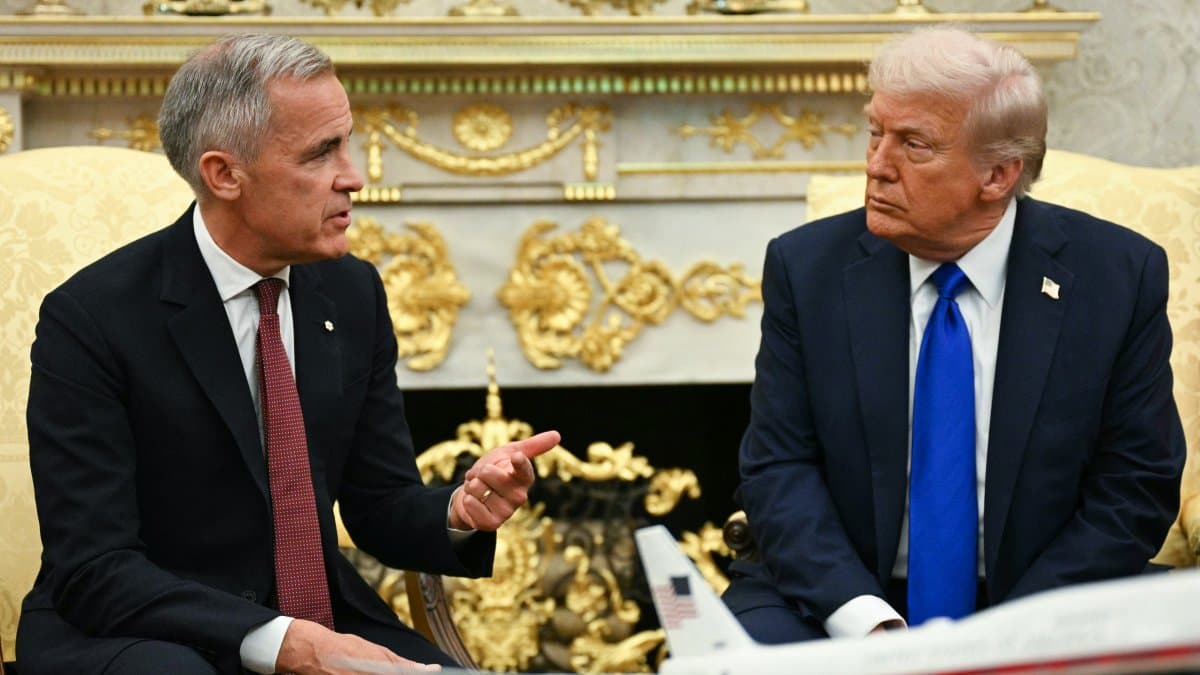

President Donald Trump affirmed Friday to reporters that Canadian Prime Minister Mark Carney personally apologized for a commercial aired by the Ontario government that showed former Republican President Ronald Reagan criticizing the imposition of tariffs, a message the U.S. leader called "false" and "misleading."
Despite the gesture of apology, Trump ruled out, for now, the possibility of resuming trade talks with Canada.
BREAKING: President Trump says he will NOT be resuming negotiations with Canada and says Mark Carney apologized to him over the ad..
Mark Carney bent the knee again and still hasn't secured a trade deal. Nice going Liberals.
Elbows Down. pic.twitter.com/k8bX27xNdB
"He was very nice. He apologized for what they did with the commercial because it was a false commercial. You know, it was the exact opposite, Ronald Reagan loved tariffs," Trump quickly told reporters aboard Air Force One as he traveled to his residence at Mar-a-Lago. He then highlighted his relationship with Carney, marking a clear difference with his predecessor, Justin Trudeau.
"I like him a lot but what they did was wrong," the president said.
Politics
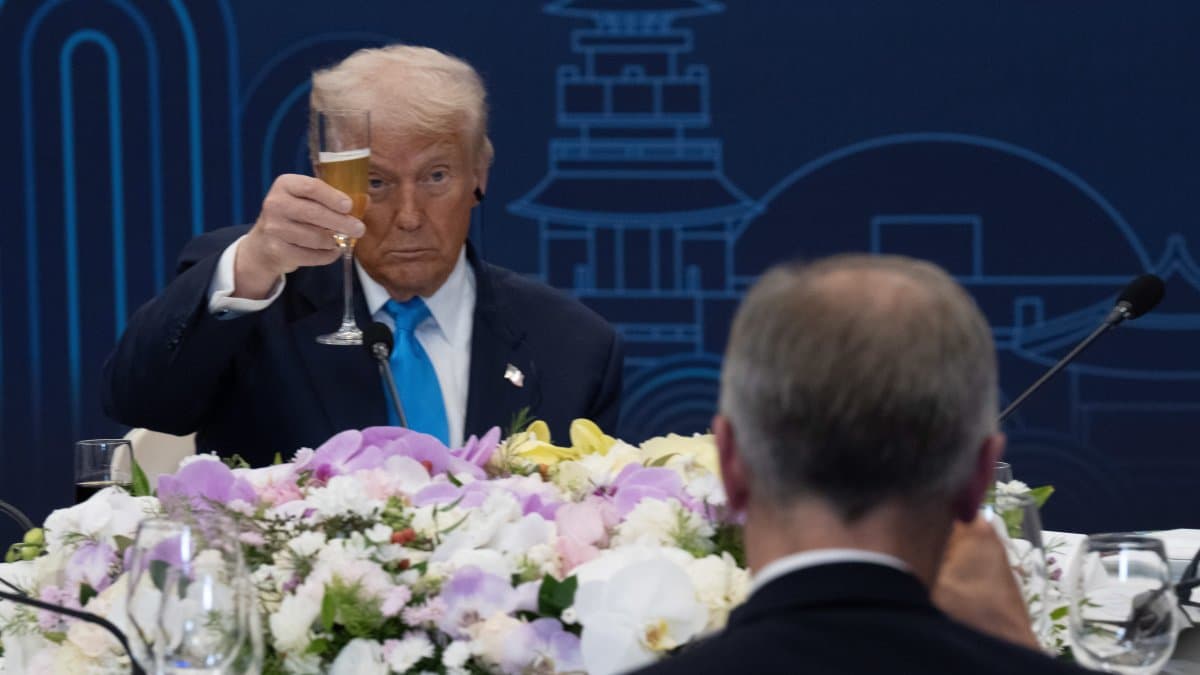
Trump dined with Mark Carney amid tariff spat: 'Had a very nice conversation'
Santiago Ospital
World
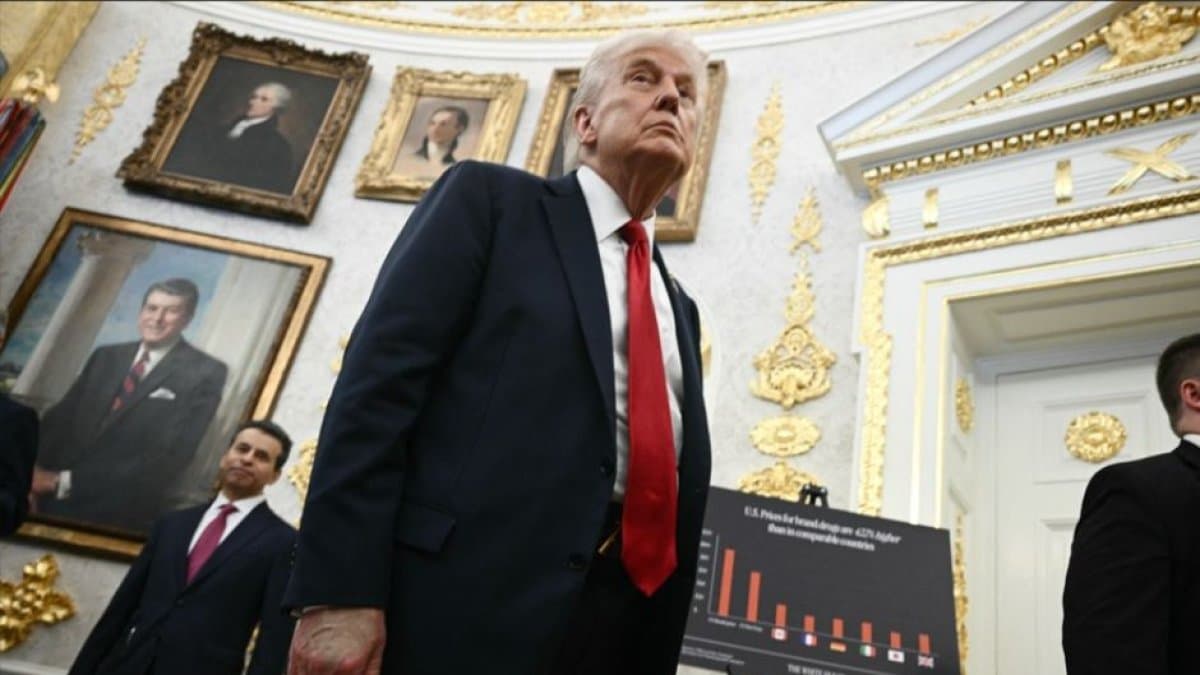
Trump increases tariffs on Canada by 10% after "fraudulent" Ronald Reagan video
Luis Francisco Orozco
The ad, produced by the Conservative government of the province of Ontario, critical of Carney's progressive administration, used a clip from a 1987 Reagan radio address in which he warned that tariffs could lead to trade wars and massive job losses.
"When someone says, ‘Let's impose tariffs on imports,’ it looks like they're doing the patriotic thing by protecting American products and jobs. And sometimes, for a short time, it works, but only for a short time. But over the long run, such trade barriers hurt every American worker and consumer," the former president commented in the recording.
The ad, according to Trump, tergiversates the legacy of the Republican leader to make a direct political attack on his own trade policy, based on the use of tariffs as a tool of geopolitical pressure.
After the controversy exploded, Trump broke off negotiations with Canada last week in protest over the trade and announced he would raise tariffs on Canadian goods by an additional 10% on top of the 35% already applied to non-compliant goods under the T-MEC treaty.
Canada, still a member of the T-MEC agreement pushed through during Trump's own first term, keeps much of its exports protected from higher tariffs. However, the new conflict, initiated by a government outside the prime minister, threatens to strain the bilateral relationship once again.
🛠 Do you think there is an error in this article?
Recommendations



LATEST