CENTCOM warns Iran to avoid ‘escalatory behavior’ during naval drill
“We will not tolerate unsafe IRGC actions,” the U.S. military command said.
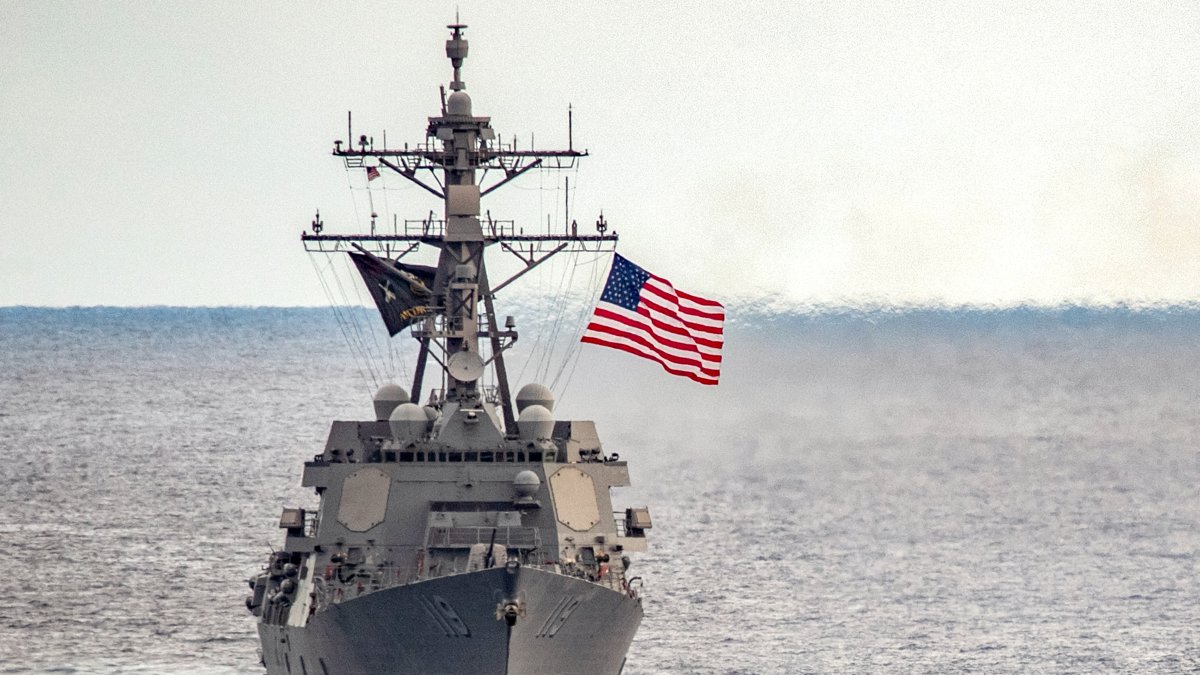
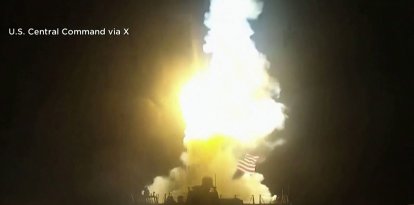
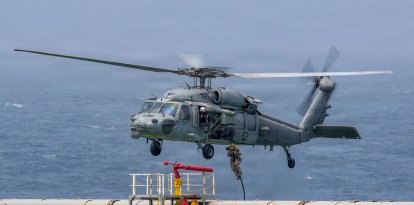
USS Delbert D. Black (Files)

U.S. Central Command is urging the Islamic Revolutionary Guard Corps to conduct a scheduled naval exercise safely and avoid “escalatory behavior at sea.”
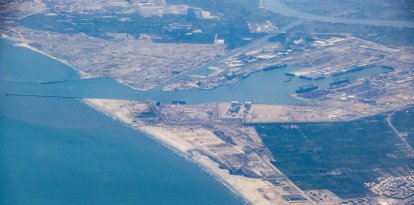
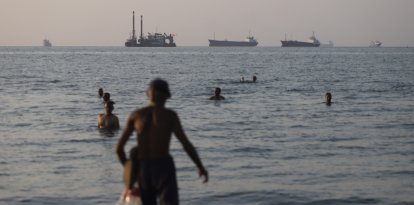
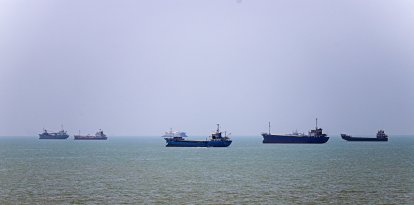
On Thursday, Iran announced that the IRGC would be “conducting a two-day live-fire naval exercise in the Strait of Hormuz, scheduled to begin on Sunday.”
On Friday, CENTCOM said it “urges the IRGC to conduct the announced naval exercise in a manner that is safe, professional and avoids unnecessary risk to freedom of navigation for international maritime traffic,” noting that the Strait of Hormuz connecting the Persian Gulf with the world is an international sea passage.
CENTCOM said it recognizes Iran’s right to operate in international waters, provided its actions are carried out “professionally.” At the same time, it warned that unsafe behavior near U.S. forces, partner militaries or commercial ships raises the chances of escalation.
“We will not tolerate unsafe IRGC actions,” the command said, adding that “the U.S. military has the most highly trained and lethal force in the world and will continue to operate with the highest levels of professionalism and adhere to international norms.
“Iran’s IRGC must do the same,” CENTCOM stated.

Politics
Trump sanctions key Iranian figures amid assessments of possible military action
Sabrina Martin
Jim Hanson, president of the WorldStrat information warfare firm and chief editor of the Middle East Forum, said, “Just a friendly note to Iran that all of its relatively pathetic navy are simply oil slicks waiting to happen.”
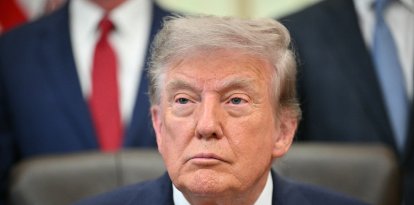
Meanwhile, U.S. President Donald Trump remained coy on Friday on the prospect of a military strike, saying that Iranians “want to make a deal” that would spell the end of their nuclear ambitions.
When asked by a reporter in the Oval Office whether there were any plans to withdraw the military assets that have recently encircled the Islamic Republic, Trump replied, “We’ll see how it all works out. You know, they have to float someplace, they might as well float near Iran. It’s a rough situation going on.”
The American president reiterated that he prevented Tehran from executing 837 protesters, saying that he “appreciated that—but a lot of people are being killed so we’ll see what happens.”
Blaming the West
On Saturday, Iranian President Masoud Pezeshkian placed the blame for the nationwide protests that shook the Islamic Republic for two weeks earlier in January on U.S., Israeli and European leaders, Reuters reported.
The Western leaders tried to “provoke [and] create division, and supplied resources, drawing some innocent people into this movement,” Pezeshkian said in remarks broadcasted by a state-controlled television channel.
Trump, Israeli Prime Minister Benjamin Netanyahu and Europeans “rode on our [economic] problems, provoked and were seeking—and still seek—to fragment society,” said Pezeshkian, as cited by Reuters.
“They brought them into the streets and wanted, as they said, to tear this country apart, to sow conflict and hatred among the people and create division. Everyone knows that the issue was not just a social protest,” he added.
In the face of growing protests, Tehran implementing a complete internet blackout on Jan. 8, followed by a brutal crackdown. Rights groups have reported a death toll as high as 30,000.
Iranian officials have acknowledged that 3,100 protesters have been killed.

JNS
Iran assassin gets 15 years for trying to kill Iranian-American journalist Masih Alinejad
JNS (Jewish News Syndicate)
Meanwhile, Iranian Foreign Minister Araqchi paid an official visit to Turkey this week, tweeting on Saturday that Tehran “is ready to embrace a fair and equitable nuclear deal that meets the legitimate interests of our people.”
He said that an agreement could ensure “no nuclear weapons” and the lifting of sanctions.
Posting an image of himself standing next to Turkey’s President Recep Tayyip Erdoğan, Araqchi thanked Ankara for its diplomatic efforts to prevent a regional war.
In an interview with CNN Turk on Tuesday, Araqchi said that dismantling Iran’s ballistic missiles program was out of the question, Reuters reported.
He stressed that any talk of “regime change is a complete fantasy. Some have fallen for this illusion. Our system is so deeply rooted and so firmly established that the comings and goings of individuals make no difference.”
© JNS
LATEST