Maduro breaks energy agreement with Trinidad and Tobago in response to arrival of U.S. warships
The Ministry of Foreign Affairs of Trinidad and Tobago rejected the accusations of the Maduro regime and denied any hostile intent against Venezuela.
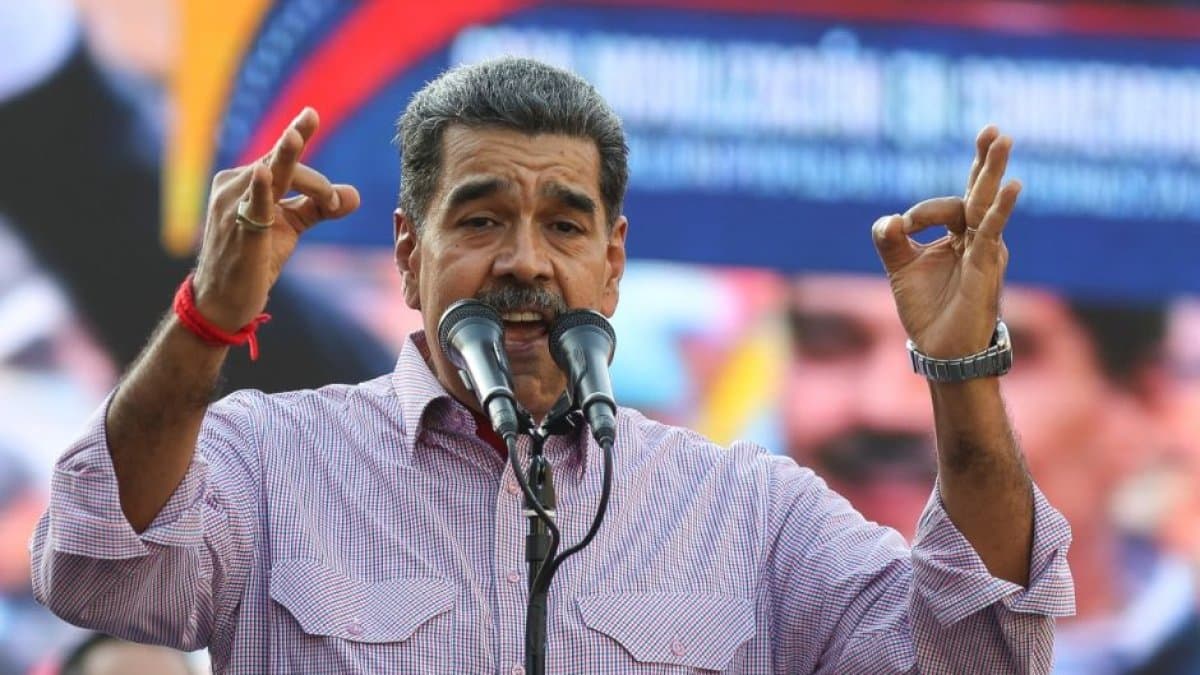

Venezuelan dictator Nicolás Maduro announced Monday the "immediate" suspension of energy and gas agreements with Trinidad and Tobago in retaliation for the presence of U.S. warships in the Caribbean and, particularly, the arrival of the destroyer USS Gravely to the island nation, in a clear demonstration of the Trinidadian government's support for joint maneuvers with Washington.
"Trinidad and Tobago exhausted all its gas reserves; it ran out of gas, and we, in a Bolivarian show of brotherhood and solidarity, have maintained this energy agreement, but in the face of the Prime Minister's threat to turn Trinidad and Tobago into the aircraft carrier of the US empire against Venezuela (...), there is only one alternative left," Maduro said on state television.
Nicolás Maduro confirma suspensión del acuerdo gasífero con Trinidad y Tobago y lo llama “una medida cautelar”… https://t.co/2teeGnhdds pic.twitter.com/YRks4RJUjJ
According to the socialist dictator, the measure came after reviewing an alleged internal report that considers the US maneuvers a direct threat to Venezuelan sovereignty, in the midst of the US military operations in the Caribbean against narcoterrorism.
"I have approved the precautionary measure of immediate suspension of all the effects of the energy agreement (...) and I have signed the order," added Maduro, who also mentioned that he will refer the issue to the Council of State, the Supreme Court of Justice, and the National Assembly "for a deeper structural evaluation."
Growing military pressure continues in the Caribbean against Maduro
Maduro's announcement comes amid an escalation of White House military pressure against Venezuela, marked by the largest U.S. naval deployment in the region in more than three decades.
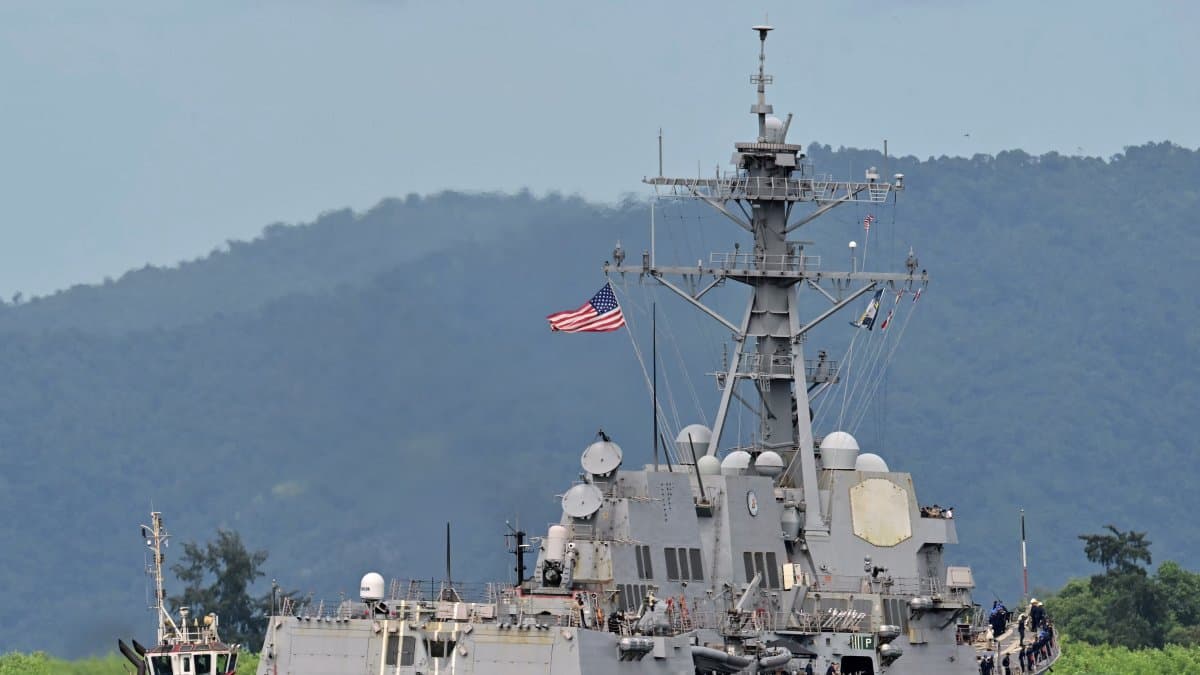
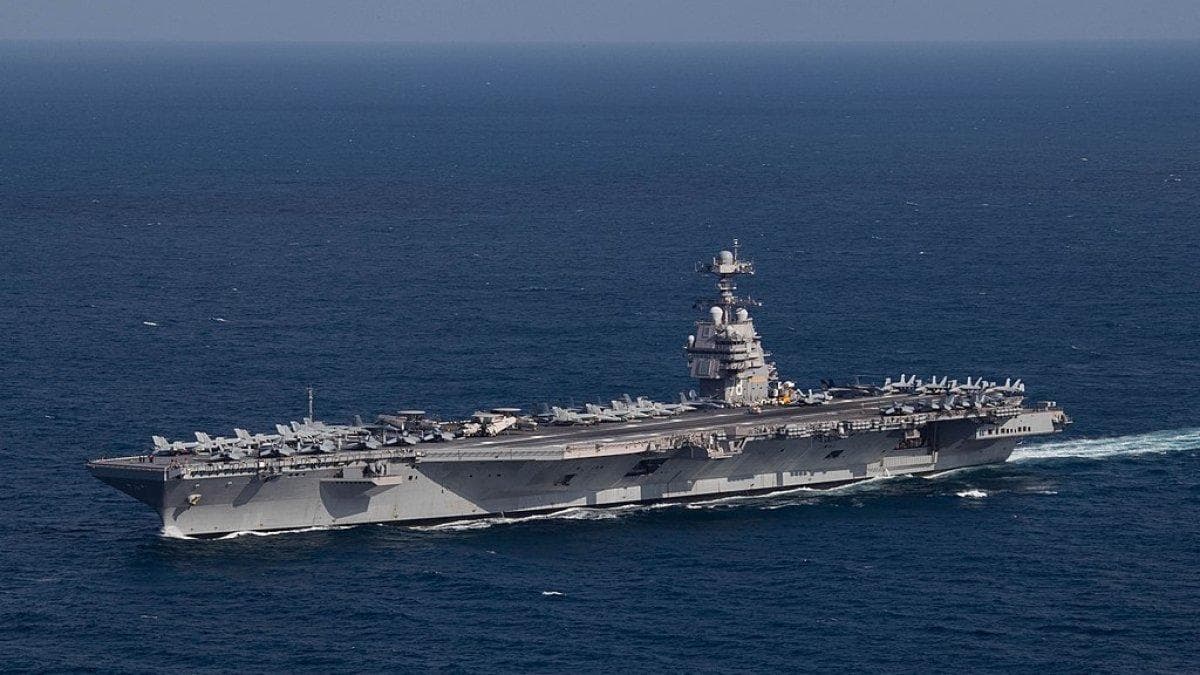
In fact, several days ago, the dispatch of the USS Gravely destroyer to Trinidad, belonging to the US Navy, was confirmed. It is now docked in the country until October 30 as part of a fleet of seven ships deployed by the Trump Administration, which will soon be joined by the aircraft carrier Gerald R. Ford, a symbol of U.S. naval superiority.
Prior to the announcement, Chavista Vice President Delcy Rodriguez had hours earlier anticipated the potential suspension of the energy agreement with Trinidad, accusing the current Trinidadian government of aligning itself with the Trump Administration. Caracas considers the presence of the USS Gravely an "aggression against Venezuela and South America."

World
Maduro warns that Venezuela has 5,000 Russian missiles in the face of Trump's Caribbean offensive
Emmanuel Alejandro Rondón
Trinidad and Tobago on the defensive
For its part, the Ministry of Foreign Affairs of Trinidad and Tobago rejected the accusations of the Maduro regime and denied any hostile intent against Venezuela. In a statement, the Trinidadian government recalled the historical ties between the two countries and assured that the joint operations with the United States are aimed at "strengthening cooperation in security, combating transnational crime and providing humanitarian assistance."
Precisely, Washington claims that the deployment in the Caribbean is to combat transnational crime, especially narcoterrorism, closely linked to Maduro and his regime.
The Trinidadian Executive also expressed its interest in maintaining the energy agreements with Venezuela, stressing that the U.S. military maneuvers "do not represent a betrayal or an abandonment of national sovereignty."
Accusations without evidence
In parallel to the energy announcement, Maduro also announced, without evidence, the capture of an alleged mercenary group "backed by the CIA," which, according to versions transmitted by Venezuela to Reuters, was planning a false flag operation in waters near Trinidad and Tobago.
Precisely, during the intense day in Venezuela, two U.S. Air Force bombers flew over the Venezuelan coastline, in an action that the regime described as a U.S. "provocation."
In the past two weeks, at least three overflights of B-52H and B-1B bombers have been recorded in the vicinity of Venezuelan airspace: on October 15, two B-52Hs flew over in front of Venezuelan airspace and drew on radar a phallic figure in front of Caracas; on October 23, two B-1B Lancers flew six miles off the Los Testigos archipelago; and, finally, this October 27, another pair of B-1B Lancers approached 19 miles off Chichiriviche, cruising the coast from Falcón to Margarita.
🛠 Do you think there is an error in this article?
Recommendations






LATEST