European Union accuses Meta and TikTok of violating its digital content rules
The platforms denied violating the Digital Services Act, which the Trump administration has described as a digital censorship tool.

Meta denied the allegations

The European Union (EU) accused Meta and TikTok of violating its digital content law, opening the door to significant fines for both companies.
The European Commission, the EU’s executive arm, said Friday that Meta’s Facebook and Instagram platforms and TikTok violated the bloc’s Digital Services Act, according to AFP.
Brussels said Meta and TikTok have not granted researchers “adequate access to public data.” EU regulators say the rules are meant not only to promote transparency but also to ensure researchers can study how much children are exposed to dangerous content on these platforms.
Platforms defend themselves
It is the first time the Commission has accused Meta of violating the DSA, and the U.S. tech giant denied any wrongdoing. “We disagree with any suggestion that we have breached the DSA,” Meta said.
"In the European Union, we have introduced changes to our content reporting options, appeals process, and data access tools since the DSA came into force and are confident that these solutions match what is required under the law," it said in a statement.
TikTok insisted it was "committed to transparency."
“We are reviewing the European Commission’s findings, but requirements to ease data safeguards place the DSA and GDPR in direct tension,” a TikTok spokesperson said, referring to the bloc’s landmark data protection law.
"If it is not possible to fully comply with both, we urge regulators to provide clarity on how these obligations should be reconciled," the spokesperson added.

Possible fines
The EU also accused Facebook and Instagram of failing to provide easy ways for users to report illegal content.
The EU says the platforms also fail to provide effective ways for users to appeal content moderation decisions.
Regulators accused Facebook and Instagram of misleading practices. The DSA requires platforms to explain content moderation decisions, but the EU says neither Facebook nor Instagram does so.
Meta and TikTok will be able to access EU files and make commitments to address Brussels’ concerns. If Brussels is not satisfied with the companies’ proposals, it could impose fines for each alleged violation.
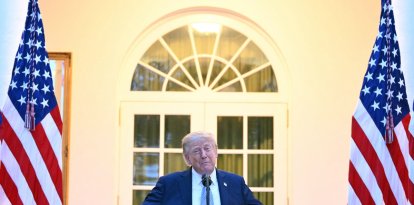
Trump administration alleges censorship
EU digital spokesman Thomas Regnier on Friday rejected accusations, particularly from the United States, that the DSA is a censorship tool.
“When accused of censorship, we prove that the DSA is doing the opposite. It protects free speech, allowing EU citizens to challenge unilateral content moderation decisions by Big Tech,” he said.
LATEST